Scientists Discover Rare Fossil Footprints in South Korea Preserved in 106-Million-Year-Old Rock
Underneath the 106-million-year-old geological stratum, researchers discovered footprints that defy conventional expectations.
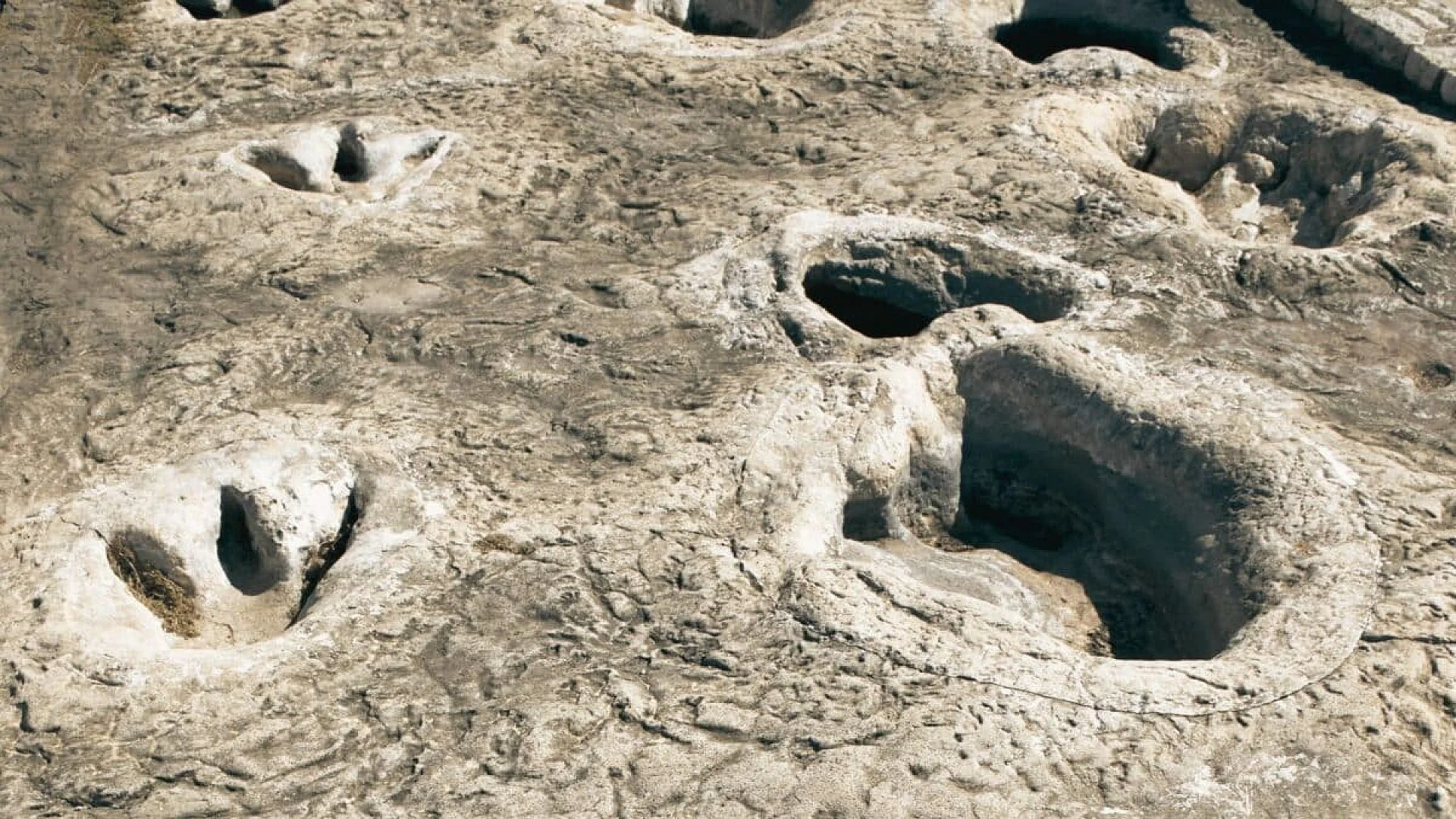
A groundbreaking discovery of pterosaur footprints in South Korea is rewriting the narrative on these flying reptiles’ behavior on land. The remarkably preserved tracks, dating back 106 million years, provide a unique glimpse into how these creatures may have interacted with their environment.
For decades, the public has been led to believe that pterosaurs were primarily aerial specialists, gliding effortlessly over ancient coastlines during the Mesozoic era. However, paleontologists have long questioned this view, pointing to anatomical traits in certain groups, such as the Neoazhdarchia, that suggest a more terrestrial lifestyle. Their long limbs and body proportions have drawn comparisons with modern wading birds that hunt by walking through shallow environments.
The research, published in Scientific Reports, highlights the rarity of clear, direct evidence of this kind of behavior in the fossil record. That’s what makes the newly described footprints from the Jinju Formation so compelling, helping to fill in a gap scientists have been trying to understand for years.
Unveiling a New Ichnospecies
The footprints have been assigned to a new ichnogenus and species named Jinjuichnus procerus. The impressions are large and asymmetrical, with elongated digits that stand out clearly in the rock. These features are consistent with neoazhdarchian pterosaurs, a group that includes azhdarchids, flying reptiles that lived alongside dinosaurs, and related forms.
“Pterosaurs were key components of Mesozoic ecosystems, thriving from the Late Triassic to the end of the Cretaceous,” said Dr. Jongyun Jung, affiliated with the University of Texas at Austin and the Korea Dinosaur Research Center. “They occupied a wide range of ecological niches and exhibited diverse dietary adaptations.”
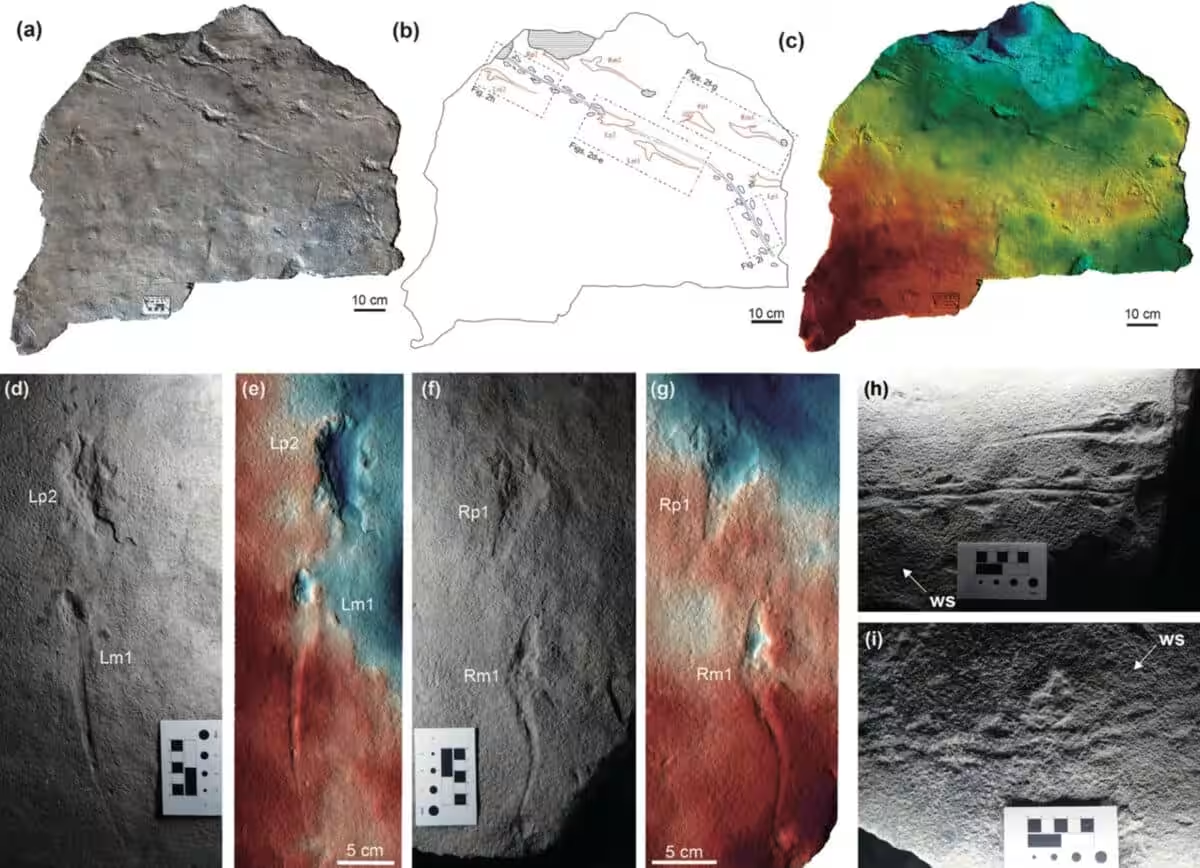
The smaller animal’s path shows a sudden change in direction along with an increase in stride length, suggesting a rapid movement. At the same time, the pterosaur appears to have been moving at around 0.8 meters per second, which suggests it was capable of steady movement on land. The proximity of the two trackways creates a compelling image, hinting at a possible moment of interaction between the two animals, perhaps even a pursuit.
“These interpretations have suggested that some groups may have employed hunting strategies comparable to extant terrestrial stalkers, such as storks or cranes,” the study team indicated.
A Cautionary Approach
Despite the intriguing layout of the footprints, researchers remain cautious in their interpretation. The two trackways may not be connected in any behavioral sense. Their alignment could be coincidental. Fossilized tracks record motion but not intent, leaving room for multiple explanations.

The research team describes the find as potential ichnological evidence of terrestrial vertebrate interaction involving a pterosaur. At the same time, they emphasize the difficulty of confirming such scenarios from footprints alone. Fossilized tracks can reveal direction, speed, and posture, yet they do not capture the full context of an event.
This article has been fact checked for accuracy, with information verified against reputable sources. Learn more about us and our editorial process.
Last reviewed on .
Article history
- Latest version
Cite this page:
- Posted by Hassan Raza