Archaeologists Found a Hidden Cave in Malta Where Humans Once Lived Inside 8,500 Years Ago
Ancient cave in Malta unveils surprising secrets from buried human past
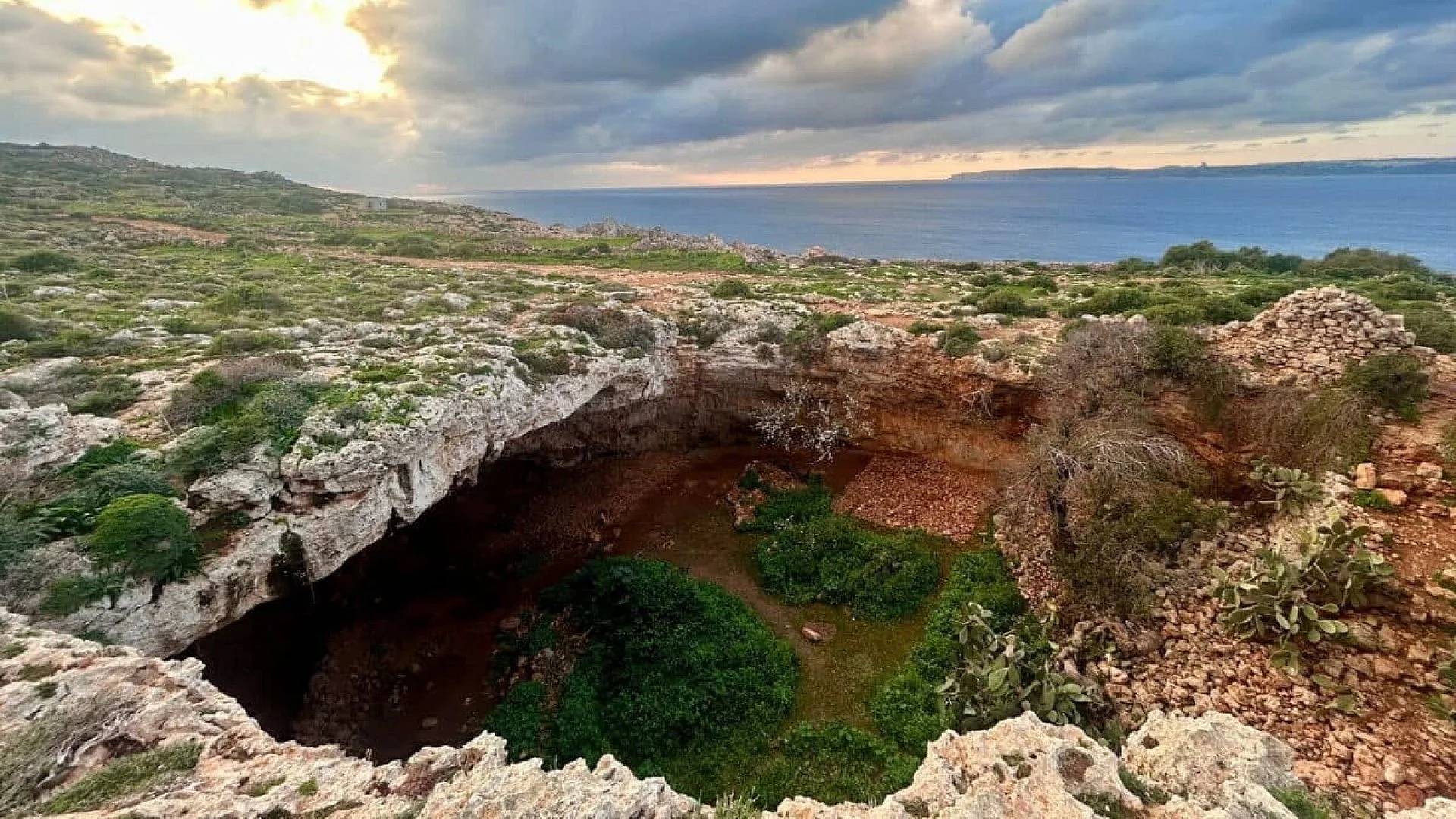
Long before the invention of sails, maps or compasses, small bands of hunter‑gatherers appear to have traversed the open Mediterranean to set foot on Malta almost 8,500 years ago. A paper in Nature reports that this pushes the island’s earliest human presence back by roughly a millennium and reshapes assumptions about prehistoric seafaring.
The data stem from digs at Latnija Cave in Malta’s north, where archaeologists recovered a suite of artefacts. Teams from the Max Planck Institute of Geoanthropology and the University of Malta argue that the site records repeated activity well before agricultural societies colonised the islands.
For decades scholars regarded islands such as Malta as too remote for Mesolithic groups to reach. The nearest major landmass, Sicily, lies over 60 miles across open water. Without sails or sophisticated vessels, a crossing of that distance seemed implausible, yet the new evidence tells a contrasting story.
New Chronology Emerges From a Hidden Cave
Excavations at Latnija Cave in the Mellieħa district involved careful removal of multiple sediment layers. Researchers identified hearths, stone debitage, thick ash lenses and abundant animal remains, all pointing to sustained occupation.
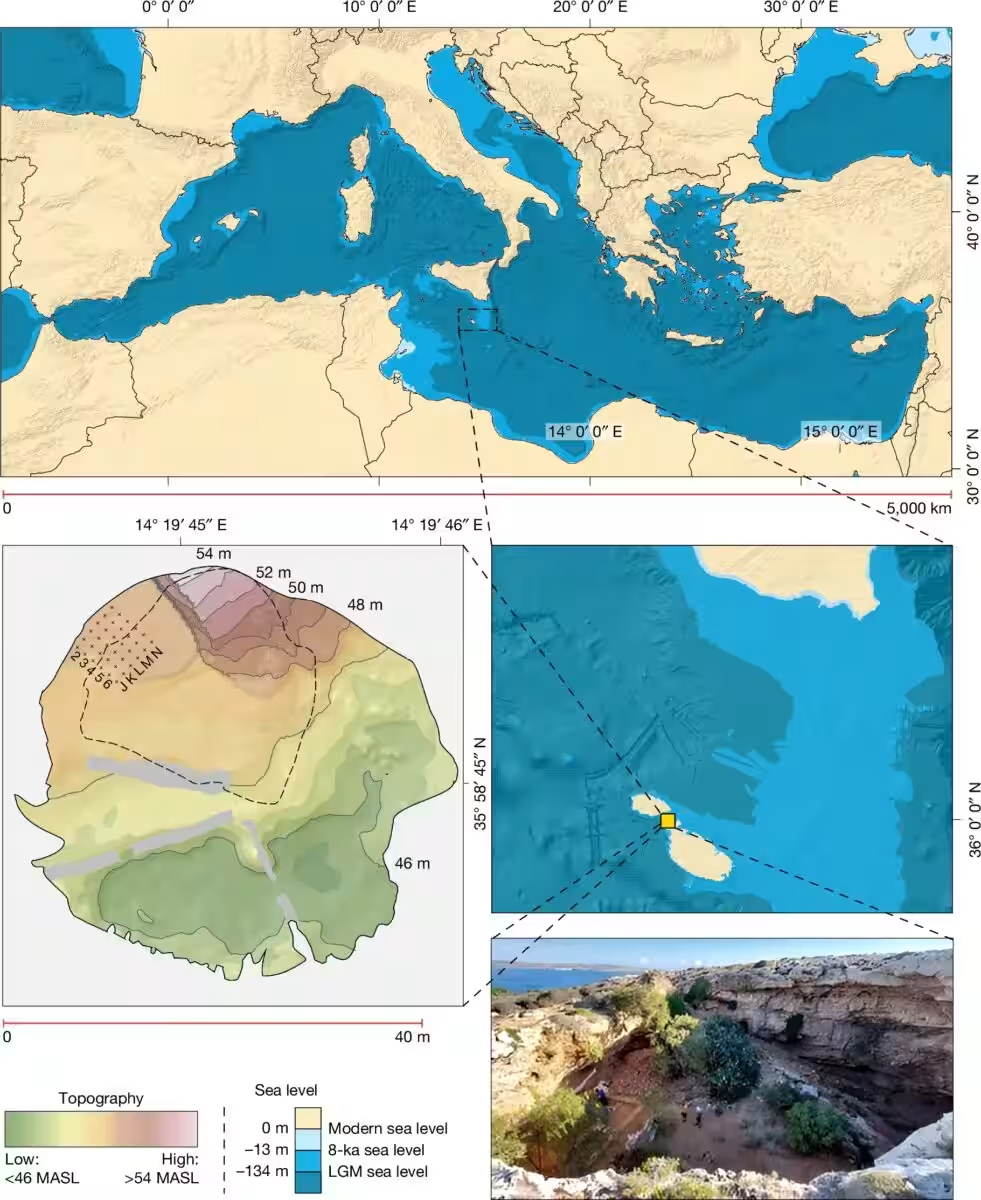
The presence of fire pits suggests that occupants were not merely passing through; they cooked, rested and returned over extended periods.
According to Professor Eleanor Scerri, who directed the investigation, “thousands of animal bones, many of them burned” were recovered. About a quarter of the sampled remains displayed charring, reinforcing the interpretation of on‑site food preparation inside the cave.
Dietary Evidence Shows Land and Sea Resources
Animal remains recovered from the cave provide a vivid snapshot of daily subsistence. Researchers identified bones and shells belonging to red deer, tortoises, birds, fish, seals, crabs, sea urchins and thousands of edible sea snails. Some of these species no longer occur on Malta. James Blinkhorn, a co‑author, explained that:
“We found remains of seal, various fish, including grouper, and thousands of edible marine gastropods, crabs and sea urchins, all indisputably cooked.” And burned shells and bones scattered throughout the cave supported that conclusion.
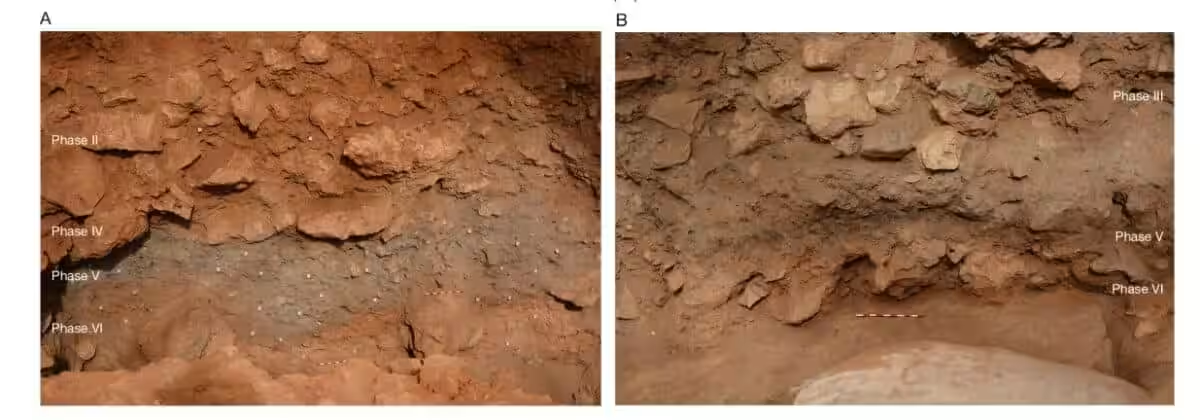
These assemblages demonstrate a flexible foraging strategy that combined marine and terrestrial resources on a modest island lacking cultivated crops or domesticated animals.
Implications for Early Mediterranean Connectivity
The findings raise fresh questions about the extent of interaction among prehistoric groups across the Mediterranean basin. Islands long thought to be isolated until the advent of farming technologies now appear to have been reachable by mobile peoples much earlier.
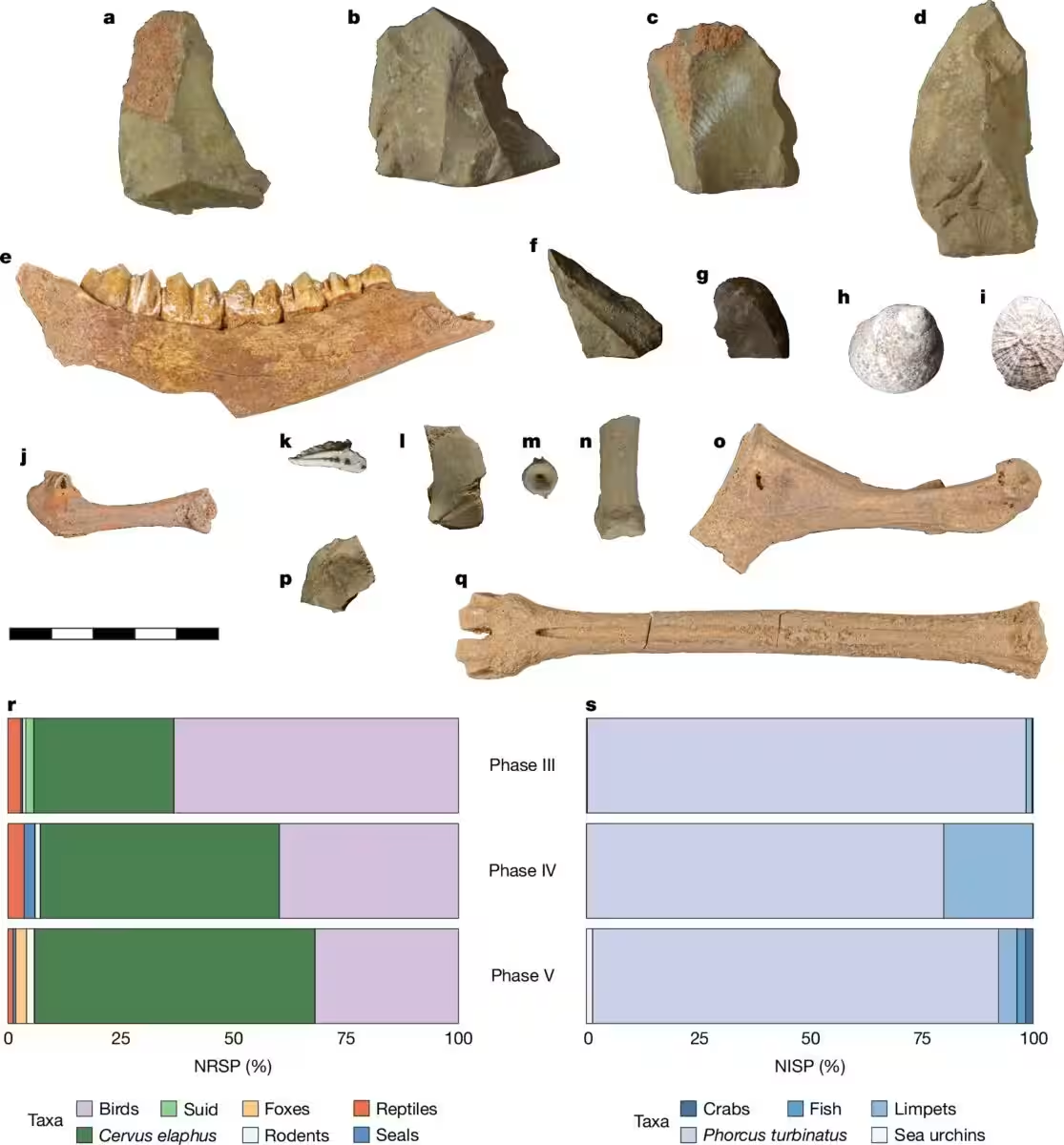
Professor Nicholas Vella of the University of Malta noted that the crossing from Sicily would have required “several hours of darkness in open water.” At an estimated speed of around 2.5 miles per hour, the voyage would have taken many hours.
The study suggests these early seafarers possessed practical ocean‑knowledge long before later Mediterranean maritime cultures emerged, likely relying on observation and experience rather than sophisticated navigation tools.
“The results add a thousand years to Maltese prehistory and force a re‑evaluation of the seafaring abilities of Europe’s last hunter‑gatherers, as well as their connections and ecosystem impacts,” Professor Scerri added.
This article has been fact checked for accuracy, with information verified against reputable sources. Learn more about us and our editorial process.
Last reviewed on .
Article history
- Latest version
Reference(s)
- “Prof. (Melit) Dr Eleanor Scerri | Max Planck Institute of Geoanthropology.” <https://www.gea.mpg.de/person/52339>.
- “Dr James Blinkhorn | Our people | University of Liverpool.” <https://www.liverpool.ac.uk/people/james-blinkhorn>.
- “Prof. Nicholas C Vella - L-Università ta' Malta.” L-Università ta' Malta <https://www.um.edu.mt/profile/nicholasvella>.
Cite this page:
- Posted by Hassan Raza