Hiker Discovers Massive Hoard of 2,000 Medieval Silver Coins in Czech Field
A hiker’s accidental discovery of centuries-old buried coins raises intriguing questions about their hidden origins and the mystery behind their concealment.
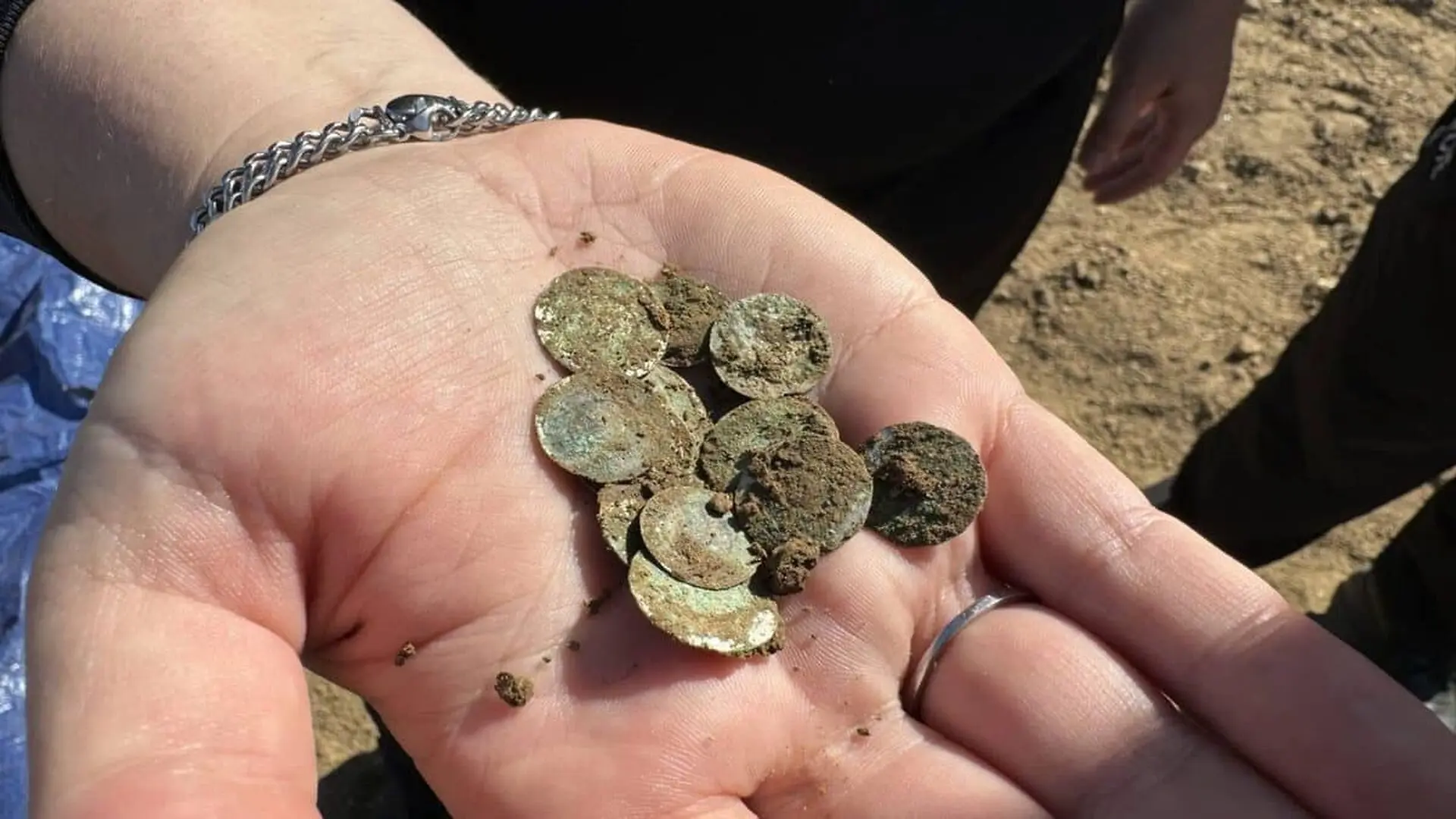
A chance discovery by a hiker near the Czech town of Kutná Hora has unearthed a massive cache of medieval silver, marking one of the most significant archaeological finds in the region in the last decade. The hoard, consisting of more than 2,150 silver denarii, represents the largest collection of its kind ever recovered in the Czech Republic.
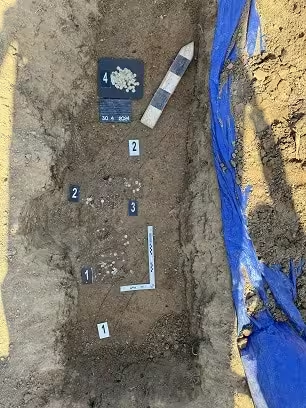
The coins were discovered in a field roughly 60 kilometers (35 miles) east of Prague. While the treasure was originally stashed inside a ceramic vessel, agricultural activity in the area had long since destroyed all but the base of the container.
A Window Into Bohemian Turmoil
The collection provides a rare, tangible link to the unstable political landscape of 12th-century Bohemia. According to Filip Velímský, an archaeologist with the Institute of Archaeology, the hoard was likely interred during the first quarter of the 1100s. During this era, the country was gripped by persistent power struggles among members of the Přemyslid dynasty as they vied for the throne in Prague.
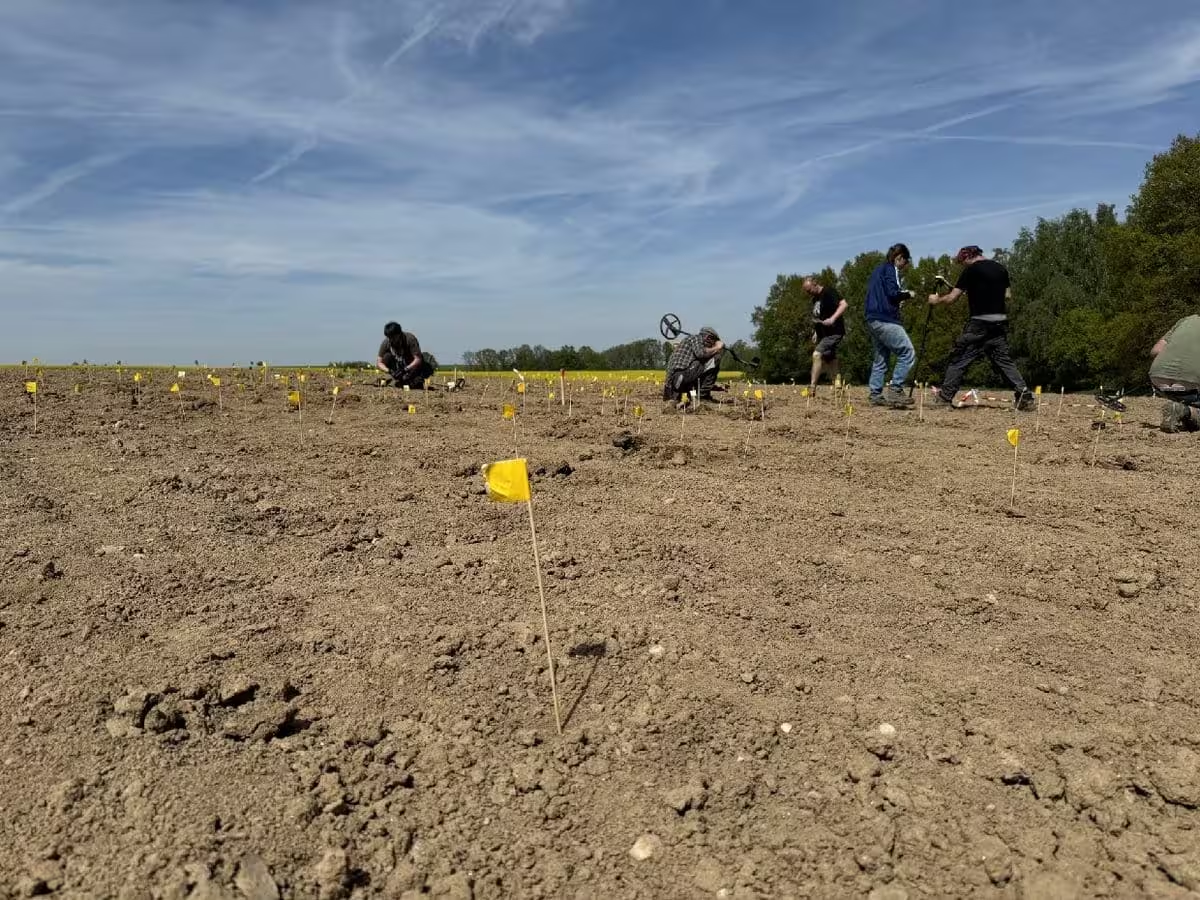
The frequency of military maneuvers through the region suggests the coins may have served as military payroll or perhaps functioned as spoils of war. The sheer volume of wealth represented by the find is difficult to quantify by modern standards, but experts suggest that for an individual living in the 12th century, the stash would have been a life-changing fortune, comparable to a contemporary lottery jackpot.
Analyzing the Medieval Mint
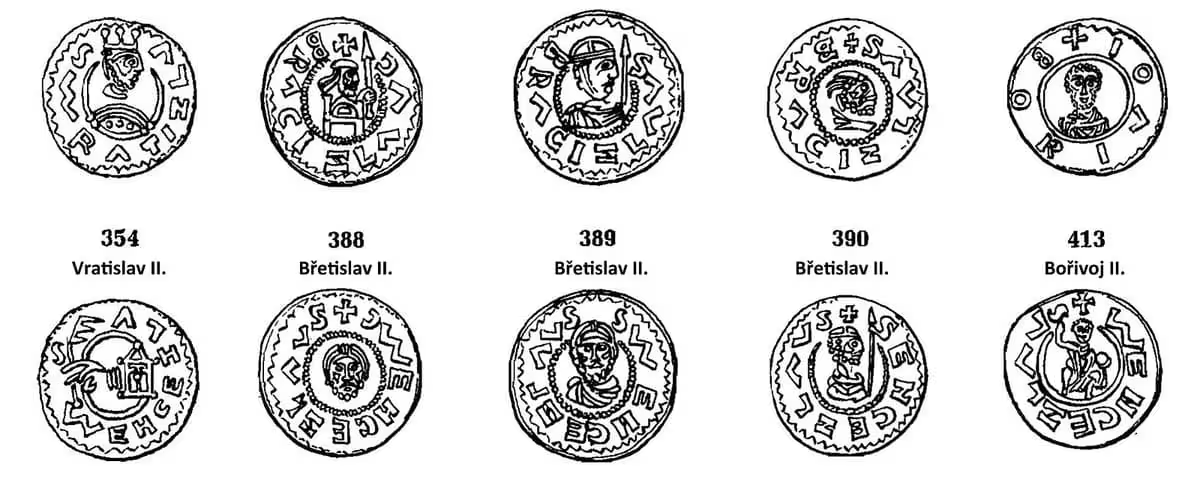
The coins span the reigns of three Přemyslid rulers: Vratislav II (1085–1092), his son Břetislav II (died 1100), and Břetislav’s half-brother Bořivoj II (reigned until 1120). Lenka Mazačová, director of the Czech Museum of Silver, notes that the denarii were likely produced at a mint in Prague. Chemical analysis reveals the presence of lead, copper, and other trace metals alongside the silver, which was imported from outside the Bohemian borders.
The collection has now been transferred to the Czech Museum of Silver, where it will undergo extensive cleaning, photography, and conservation. Researchers plan to utilize X-ray and spectral analysis to further examine the composition of the metal, hoping to definitively identify the original source of the silver used by these medieval mints.
This article has been fact checked for accuracy, with information verified against reputable sources. Learn more about us and our editorial process.
Last reviewed on .
Article history
- Latest version
Reference(s)
- “Mgr. Filip Velímský, Ph.D. - ARUP.”, March 25, 2020 ARUP <https://www.arup.cas.cz/en/contacts/personalia/staff/velimsky/>.
- “Over 2,000 silver coins from the 12th century discovered near Kutná Hora - Akademie věd České republiky.” <https://www.avcr.cz/en/news-archive/Over-2000-silver-coins-from-the-12th-century-discovered-near-Kutna-Hora/>.
Cite this page:
- Posted by Zara Tariq