Highway Construction Reveals Massive 2,000 Year Old Celtic Treasure Trove In Czechia
A routine highway survey in the Czech Republic has uncovered a stunning collection of ancient gold artifacts hidden for over 2,000 years.
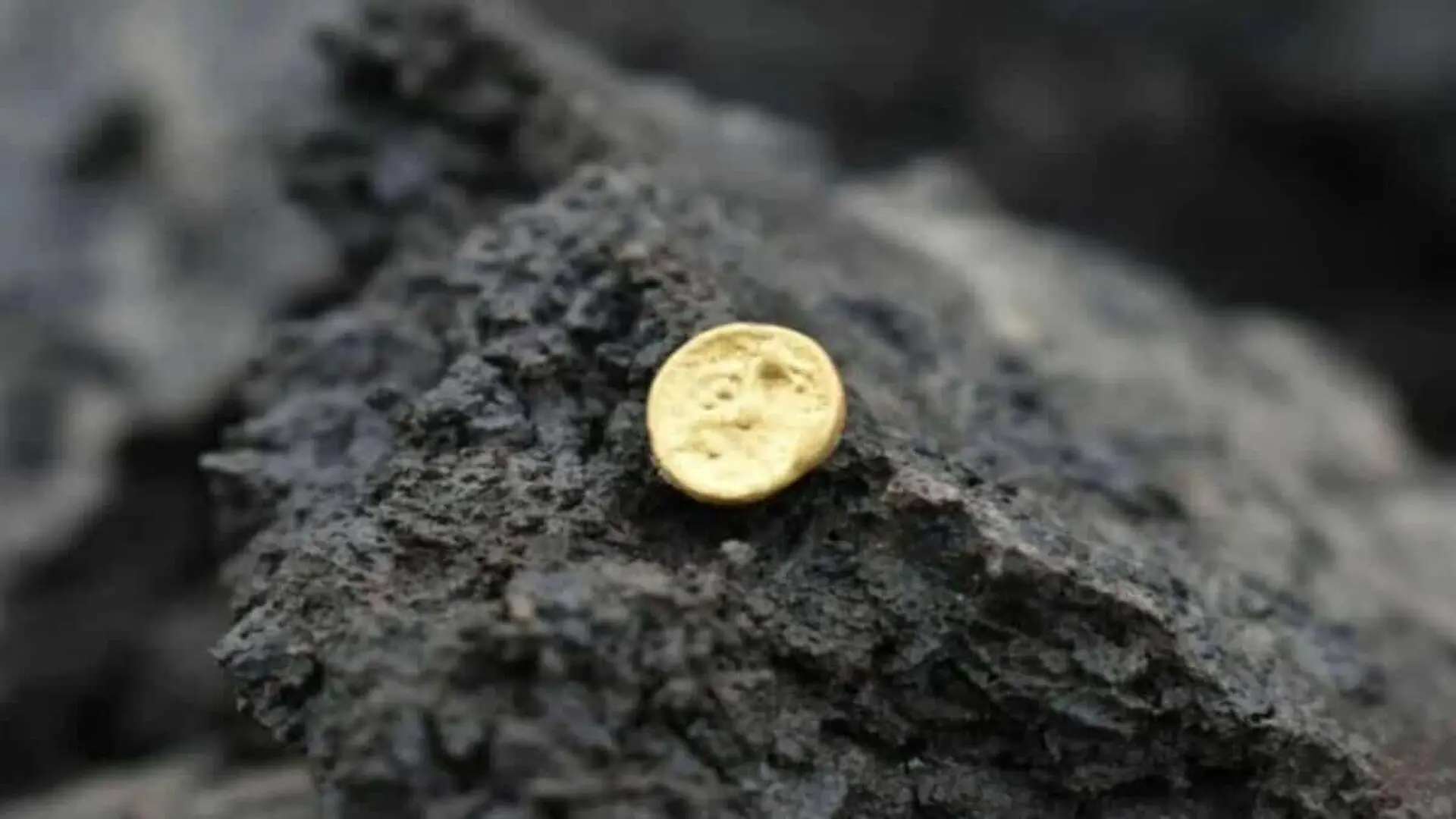
A routine archaeological survey ahead of highway construction in the Czech Republic has evolved into a historic breakthrough. Researchers clearing the path for the D35 motorway near Hradec Králové stumbled upon a massive, undisturbed Iron Age settlement, unearthing a wealth of artifacts that experts are calling one of the most significant discoveries in Bohemian history.
Spanning 62 acres, the site dates back to the second century B.C. and offers a rare, pristine glimpse into the daily life and commercial activity of the La Tène period. Excavation teams from the Museum of East Bohemia have spent months painstakingly cataloging the find, which resulted in the recovery of enough material to fill 22,000 individual storage bags.
A Commercial Hub of the Ancient World
The settlement, which features the remnants of dwellings, workshops, and a dedicated religious sanctuary, appears to have functioned as a vital hub for regional trade rather than a fortified defensive position. The sheer volume of high-value items discovered at the location—including gold and silver coins, jewelry, and luxury ceramics—suggests the site was an affluent, open center for commerce.
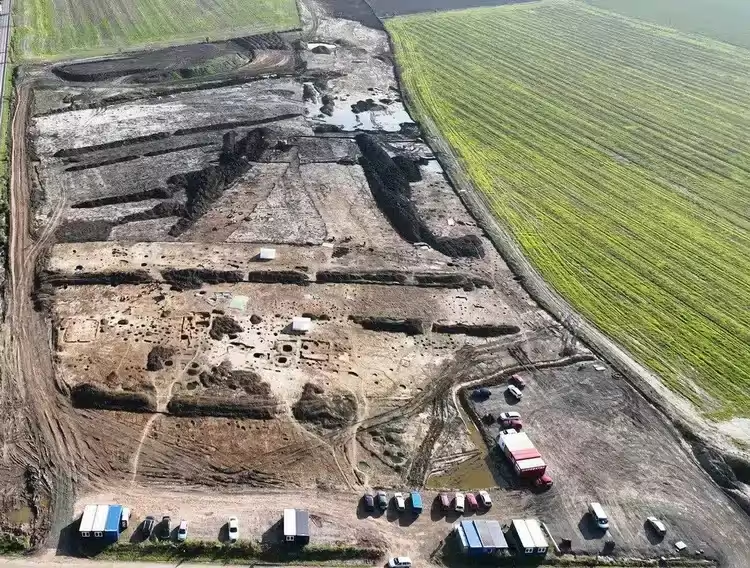
According to the museum, the presence of amber, specialized coinage, and evidence of advanced pottery production points to the settlement’s role in the fabled Amber Road, a critical trade network that once bridged the Baltic Sea with the Mediterranean.
“The settlement was a supra-regional trade and production center connected to long-distance trade routes,” the museum noted in an official statement. This level of economic integration, combined with the discovery of coin-striking dies, underscores the sophisticated nature of this Iron Age society.
The Mystery of the Inhabitants
While the site is undeniably Celtic, researchers remain cautious about assigning a specific tribal identity to the occupants. Although the region is traditionally linked to the Boii—a tribe from which the name “Bohemia” is derived—archaeological evidence does not currently provide enough specificity to confirm their presence.
Tomas Mangel, a professor at the University of Hradec Králové who co-led the excavation, highlighted the significance of the find in an interview with Live Science. He noted that the variety of recovered items, which includes bronze and iron brooches, glass beads, and various armlets, offers a rare, high-resolution look at the daily lives of these ancient people.
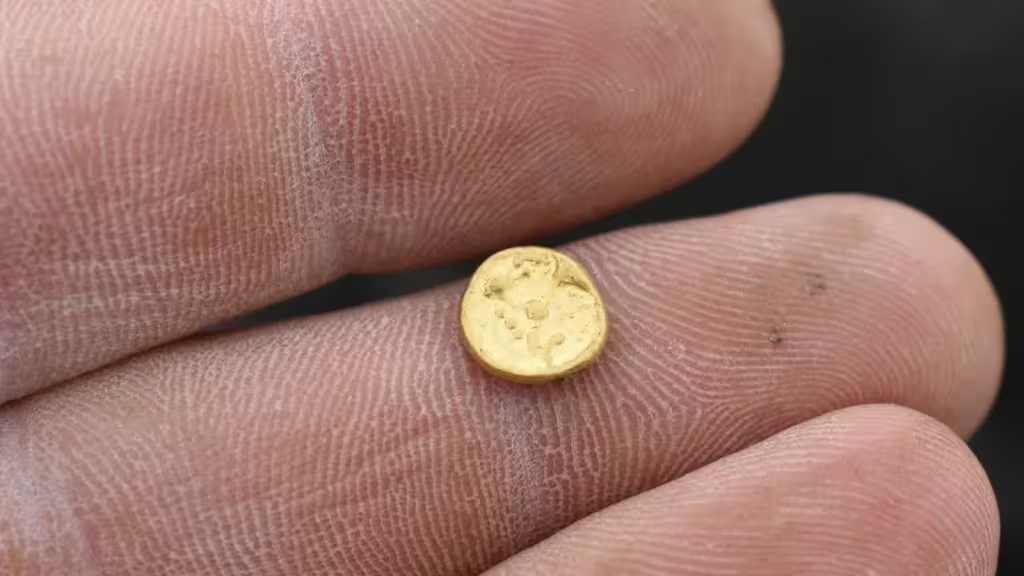
The preservation of these artifacts is largely attributed to the lack of historical looting, providing an “information potential” in the topsoil and subsoil that experts describe as far exceeding standard expectations.
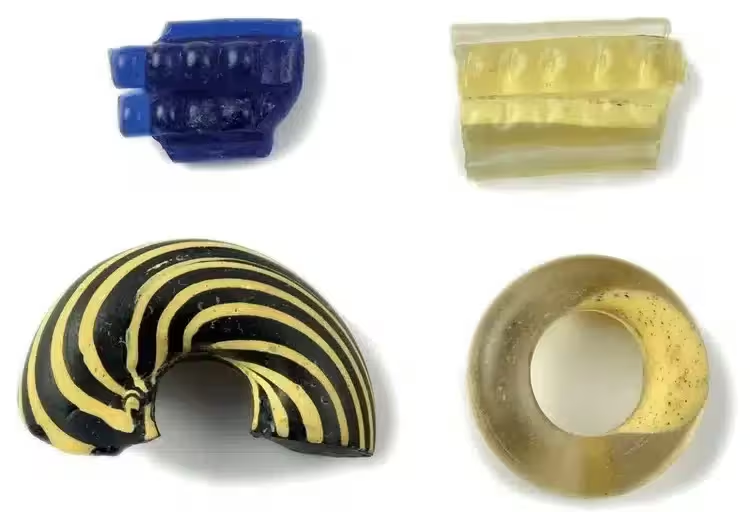
The Museum of East Bohemia has initiated a temporary exhibition to showcase the most striking finds. As the extensive cataloging process continues, archaeologists anticipate that the full analysis of the site will provide transformative insights into the economic and cultural landscape of Central Europe during the second century B.C.
This article has been fact checked for accuracy, with information verified against reputable sources. Learn more about us and our editorial process.
Last reviewed on .
Article history
- Latest version
Reference(s)
- “Unikátní nález laténského sídliště - Muzeum východních Čech v Hradci Králové.” <https://www.muzeumhk.cz/novinky-archeologie/1840-unikatni-nalez-latenskeho-sidliste.html>.
- “Person - University of Hradec Králové.”, May 9, 2023 <https://www.uhk.cz/en/person/3984/tomas-mangel>.
- Jarus, Owen. “2,200-year-old Celtic settlement discovered in Czech Republic — and it's awash in gold and silver coins.”, July 18, 2025 Live Science <https://www.livescience.com/archaeology/2-200-year-old-celtic-settlement-discovered-in-czech-republic-and-its-awash-in-gold-and-silver-coins>.
Cite this page:
- Posted by Zara Tariq