Scientists Discover Earth’s Oldest Known Meteorite Impact Hidden in Ancient Australian Rocks
Ancient Australian rocks have revealed evidence of a mysterious meteorite impact that struck Earth during the planet’s infancy.
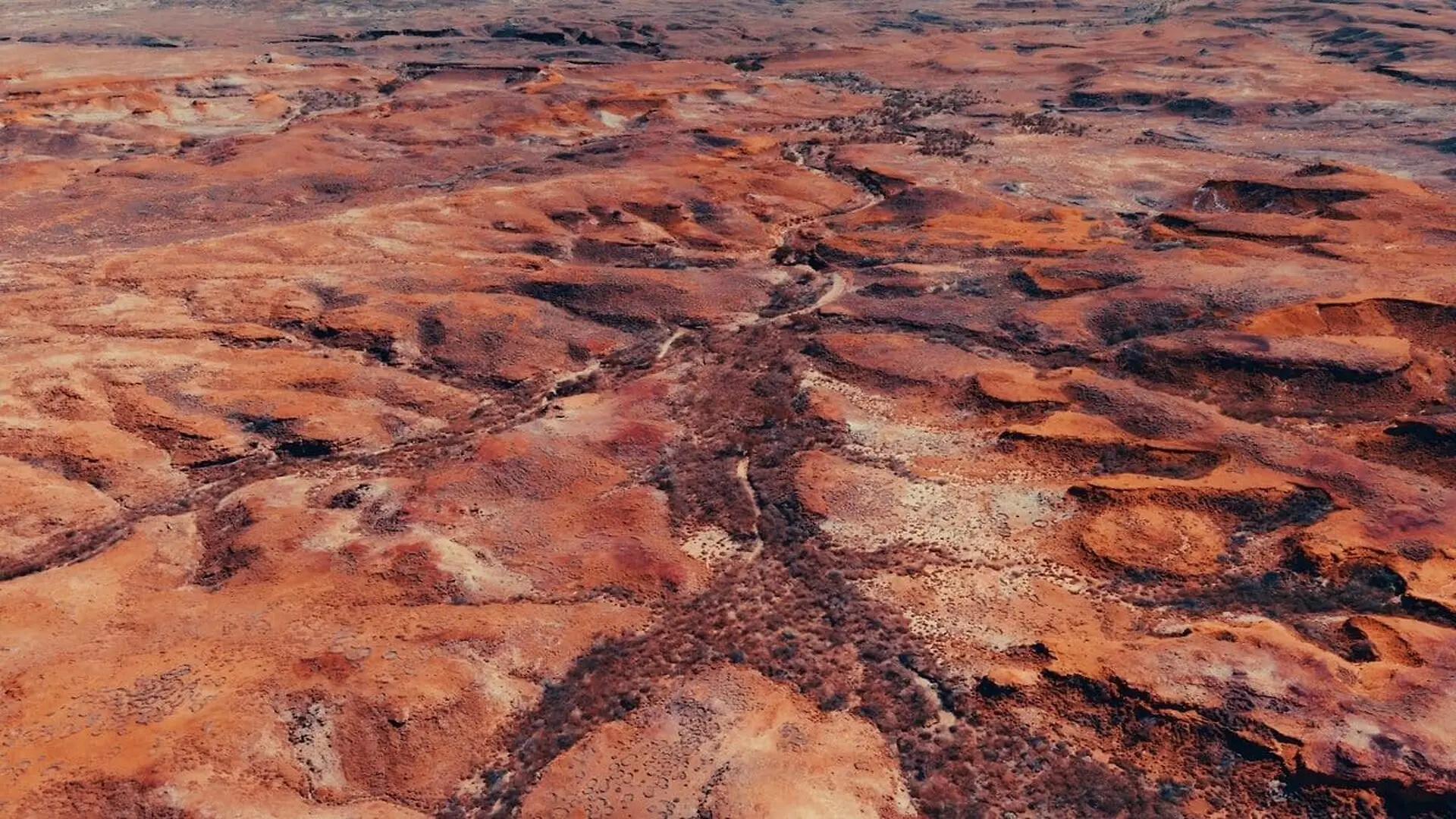
Geologists have unearthed evidence of a massive asteroid strike in Western Australia that dates back 3.47 billion years, marking it as the oldest known impact crater on Earth. The discovery, located within the ancient Pilbara region, provides a rare window into the tumultuous conditions of the Archean Eon, a time when our planet was still in its geological infancy.
The findings, published in Nature Communications, shift our understanding of Earth’s early history. Previously, the Yarrabubba crater held the record for the oldest confirmed impact at 2.23 billion years old. This new identification pushes that timeline back by more than a billion years, suggesting that significant cosmic collisions were likely a defining feature of Earth’s formative years.
Unmasking a Prehistoric Catastrophe
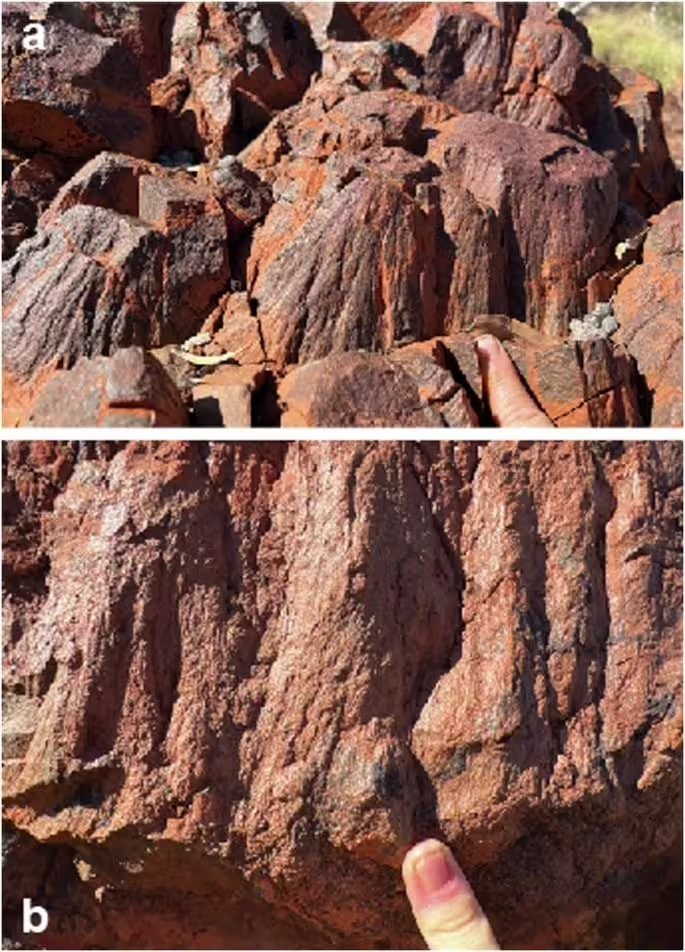
The discovery was made by a team from Curtin University, who identified distinct geological markers at the North Pole Dome. The researchers pinpointed shatter cones, which are unique, fan-like fracture patterns in rock formed only under the extreme, instantaneous pressure of a high-velocity impact. These structures serve as definitive evidence that the area was subjected to forces far beyond the reach of normal terrestrial tectonic or volcanic activity.
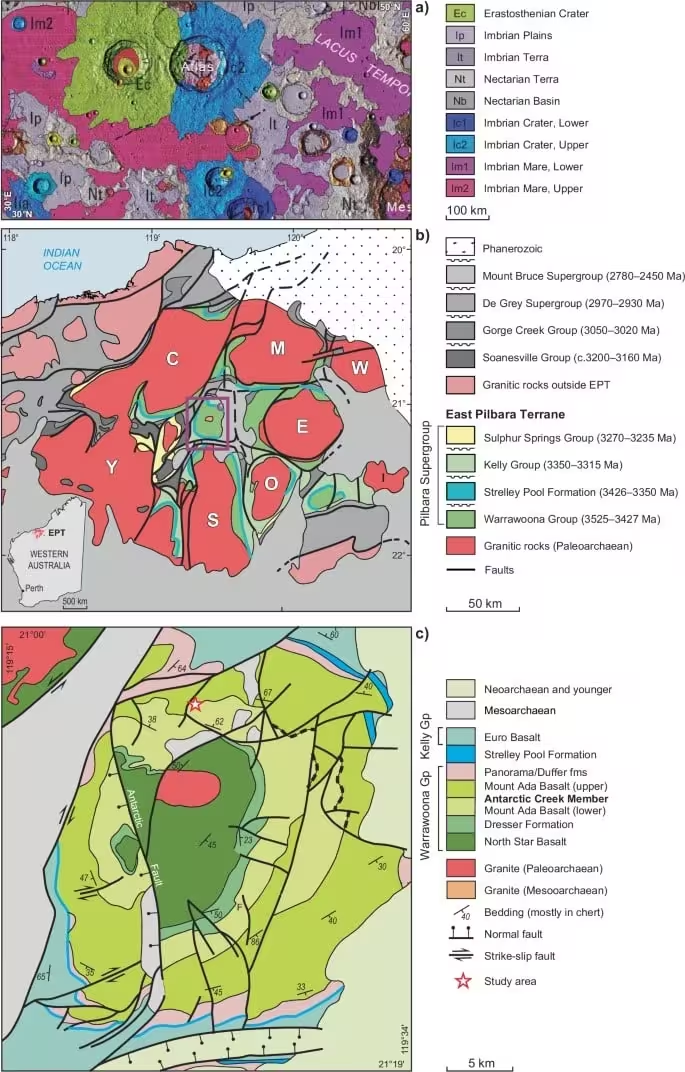
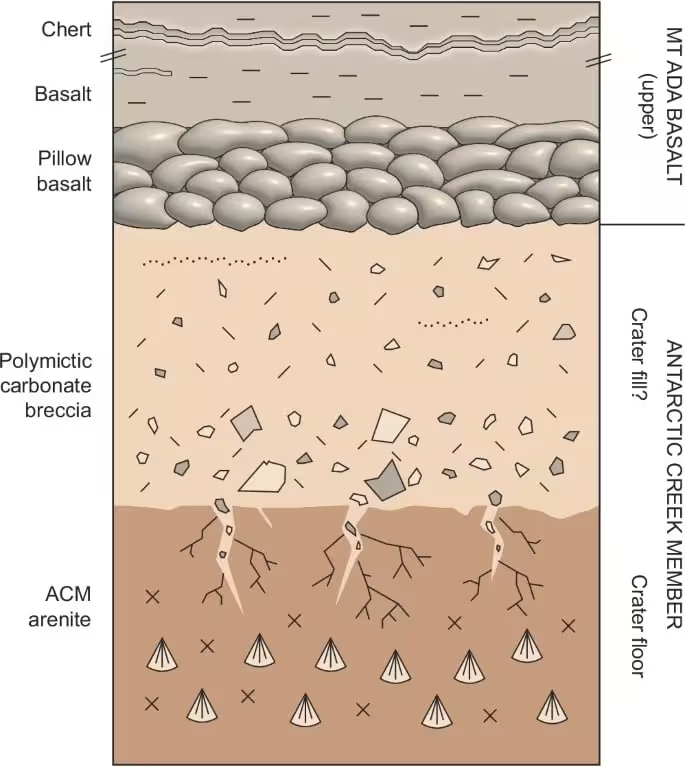
Modeling suggests the asteroid collided with the planet at speeds exceeding 36,000 km/h. Such an event would have excavated a crater well over 100 kilometers in diameter, triggering widespread environmental shifts as debris was thrown across vast distances.
Earth’s Erasure of Cosmic History
While the Moon remains a pristine archive of early solar system bombardment, Earth’s surface has been aggressively recycled by plate tectonics, erosion, and subduction. These processes typically consume the evidence of ancient strikes, hiding them within the mantle or weathering them into oblivion. The Pilbara craton is one of the few places on the planet where such ancient crust remains stable and exposed, acting as a geological time capsule.
Implications for the Emergence of Life
Beyond mapping impact history, this discovery offers clues about the environment in which life first emerged. Professor Chris Kirkland, also of Curtin University, notes that these colossal collisions were not merely destructive. The heat and energy generated by a large impact could have created localized environments, such as hydrothermal pools, that served as ideal crucibles for early microbial life.
Researchers now suspect that these massive impacts may have done more than just scar the landscape; they likely influenced the geochemical evolution of the crust, potentially encouraging the rise of magma and the stabilization of early continental blocks. By continuing to examine these ancient cratons, scientists hope to piece together a more complete narrative of how external forces helped shape the surface of the Earth and, in turn, the cradle of life itself.
This article has been fact checked for accuracy, with information verified against reputable sources. Learn more about us and our editorial process.
Last reviewed on .
Article history
- Latest version
Reference(s)
- Kirkland, Christopher. “A Paleoarchaean impact crater in the Pilbara Craton, Western Australia - Nature Communications.”, vol. 16, no. 1, March 6, 2025, pp. 2224 Nature, doi: 10.1038/s41467-025-57558-3. <https://www.nature.com/articles/s41467-025-57558-3>.
- “Tim Johnson.” <https://scholar.google.com/citations?user=ecryWQYAAAAJ&hl=en>.
- <https://www.researchgate.net/profile/Christopher-Kirkland-2>.
Cite this page:
- Posted by Zara Tariq