The Hidden Truth About What Happens When Your Plastic Bottles Become Clothing
While recycled polyester is often marketed as circular, the bottle-to-shirt pipeline may be creating a recycling dead end for plastic waste.
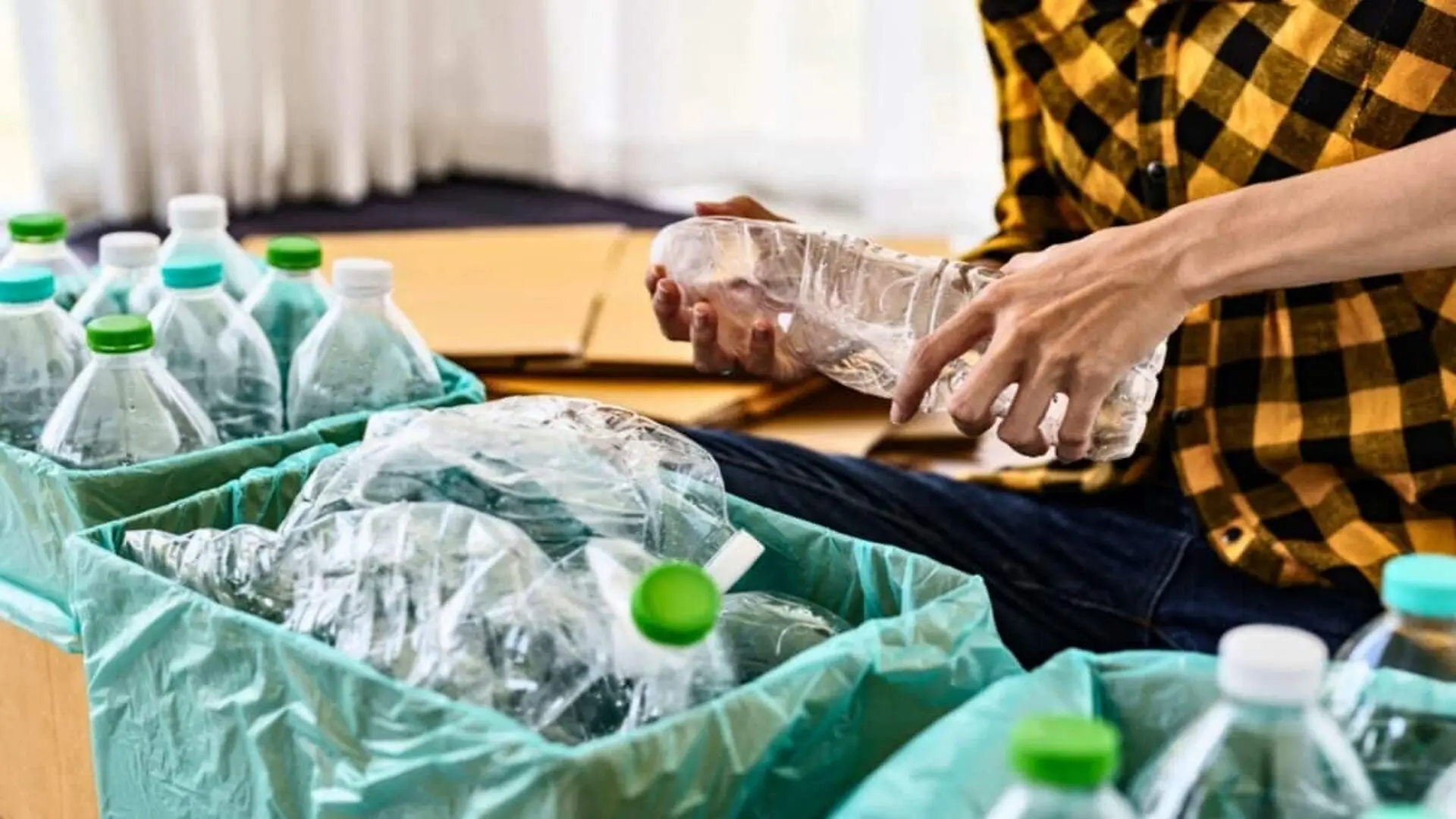
The iconic chasing-arrows symbol promises a neat, circular journey: discard a container, process the raw material, manufacture a new product, and begin again. However, in the reality of global manufacturing, this loop often breaks down, turning an expected act of sustainability into a one-way trip toward a dead-end waste stream.
The Hidden Downside of Bottle-to-Garment Recycling
Fashion brands have increasingly pivoted to recycled polyester as a means of curbing their dependence on virgin synthetic fibers. Yet, the source of this material rarely comes from the circularity of old clothing. Instead, it is primarily derived from plastic bottles. According to Urska Trunk of the advocacy group Changing Markets, approximately 93% of recycled textiles are sourced from plastic bottles rather than repurposed garments. This polyester typically consists of polyethylene terephthalate (PET), the same plastic used for common beverage containers.
The core issue lies in the life cycle of the material. A plastic bottle can be mechanically recycled several times, typically five or six, before the polymer degrades. Once that plastic is spun into synthetic fabric, it enters a much more complex waste cycle. Trunk suggests that converting a bottle into a garment often marks the final stage of that material’s utility rather than an extension of its circular life.
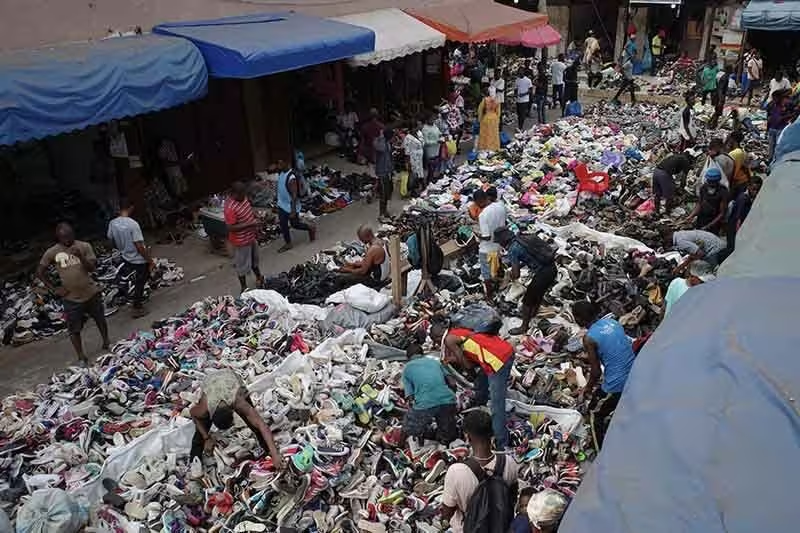
At present, the industry lacks the infrastructure to achieve true textile-to-textile circularity. Less than 1% of fabric currently used in clothing production is recycled into new garments. The challenge is largely technical: clothing often utilizes mixed fibers, such as polyester blended with elastane or Lycra, and features non-fabric components like buttons and zippers that are difficult to separate at scale. While cotton recycling exists, it often results in a loss of fiber quality, requiring the addition of virgin materials to maintain integrity.
The Global Flow of Textile Waste
When clothing reaches the end of its wearable life in Western nations, it frequently exits the domestic market entirely. Data from the European Environment Agency reveals that textile exports from the EU surged from roughly 550,000 metric tons in 2000 to nearly 1.7 million metric tons by 2019.
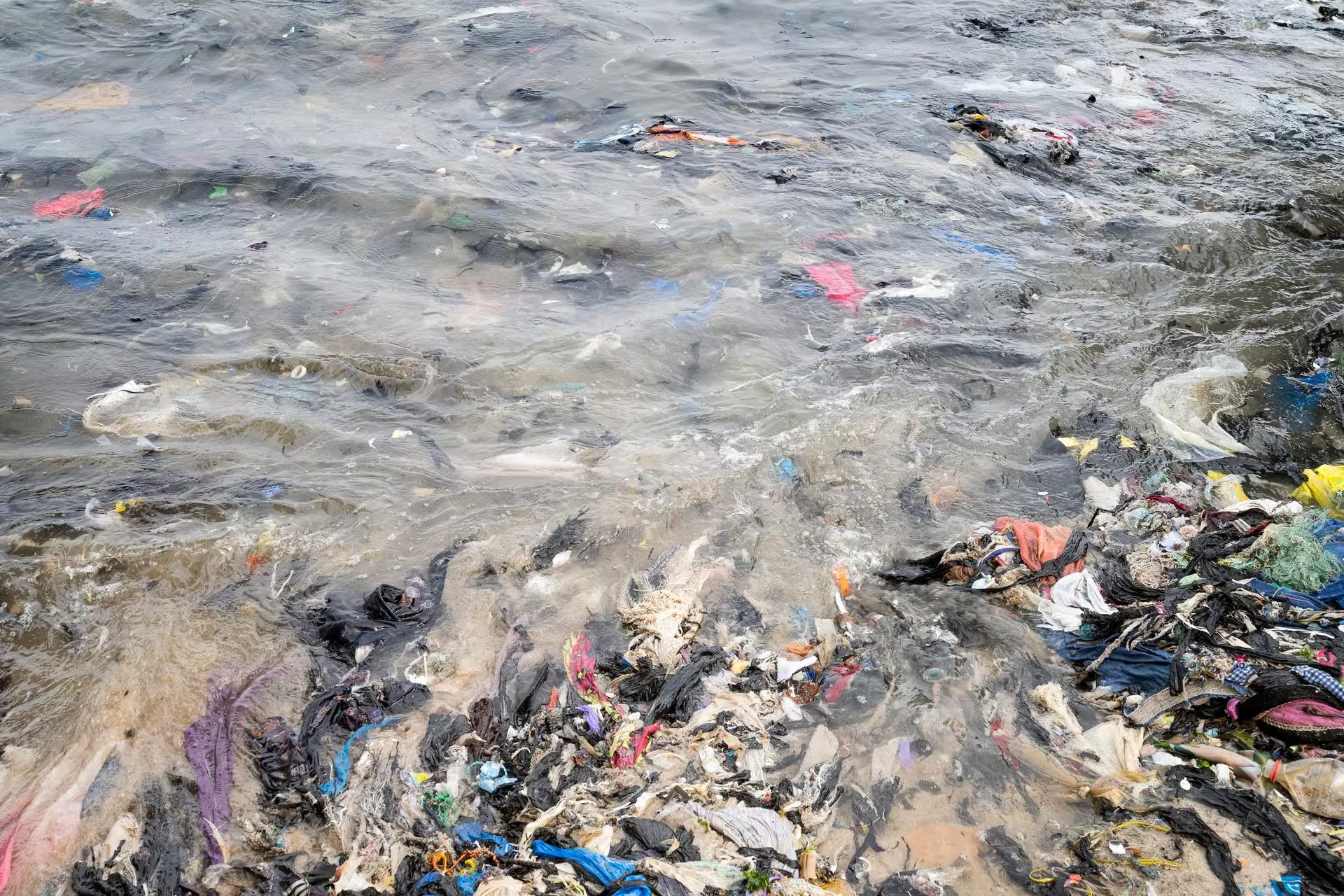
This massive volume of material is often diverted to the Global South. By 2019, 46% of these exports were shipped to Africa, while 41% moved to Asian economic zones. While some of these garments enter legitimate secondhand markets, a significant portion consists of items unsuitable for reuse, which ultimately wind up in informal landfills or environmental dumping grounds.
The Reality on the Ground in Ghana
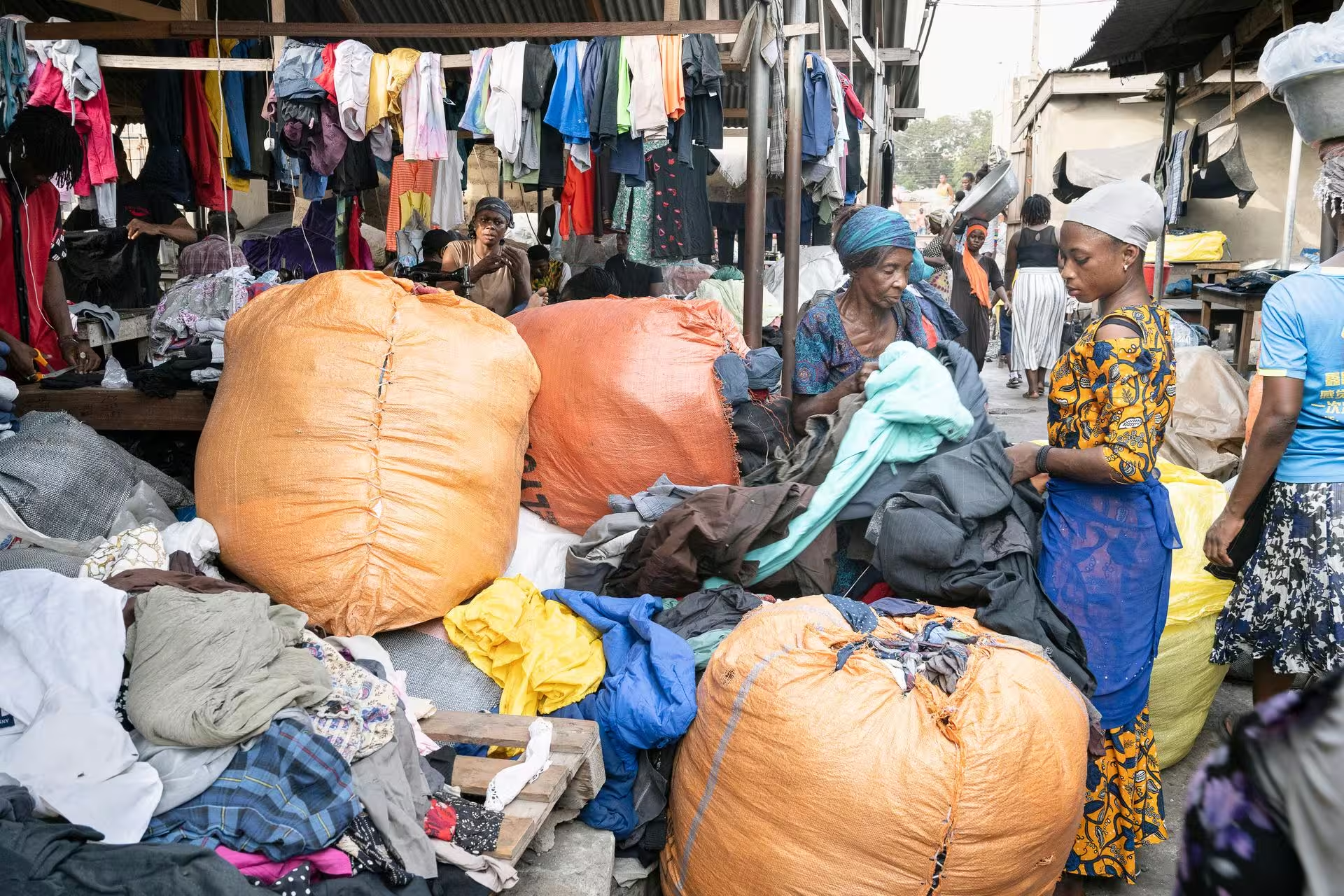
Ghana stands as a primary destination for these global clothing flows, illustrating the limitations of international waste management. The Philstar report on fashion recycling highlights sites like Old Fadama in Accra, where massive piles of discarded textiles demonstrate the environmental toll of overconsumption. What began as a recyclable plastic bottle has, through several stages of transformation and trade, ended up as non-recyclable waste in a distant landfill.
Moving Beyond the Recycling Myth
While recycling serves a vital purpose in reducing reliance on fossil-fuel-based virgin synthetics, industry experts argue that it cannot compensate for the sheer scale of current clothing production. Environmental advocates emphasize that true progress requires a paradigm shift toward reducing overall consumption, investing in repairability, and scaling up regional reuse capacity rather than relying on the export of waste to international markets.
The label of “recycled” on a garment can create a false sense of security, masking the fact that the material has effectively reached the end of its functional loop. As the global fashion industry grapples with its environmental footprint, the distinction between a bottle successfully entering a circular system and one becoming an untraceable piece of textile waste remains a critical frontier.
This article has been fact checked for accuracy, with information verified against reputable sources. Learn more about us and our editorial process.
Last reviewed on .
Article history
- Latest version
Reference(s)
- “Europe's used textiles are an increasing waste and export problem.”, February 27, 2023 <https://www.eea.europa.eu/en/newsroom/news/europes-used-textiles-are-an>.
- Lamberti, Ornella. “Why fashion's 'recycling' is not saving the planet.”, February 7, 2024 Philstar.com <https://www.philstar.com/headlines/climate-and-environment/2024/02/07/2331661/why-fashions-recycling-not-saving-planet>.
Cite this page:
- Posted by Zara Tariq