What Really Lies Behind the 900 Year Old Pope Prophecy No 2027 Judgment Day
The genuine Prophecy of the Popes resurfaces online, but claims it predicts every pope and a 2027 judgment far exceed what the historic text says.
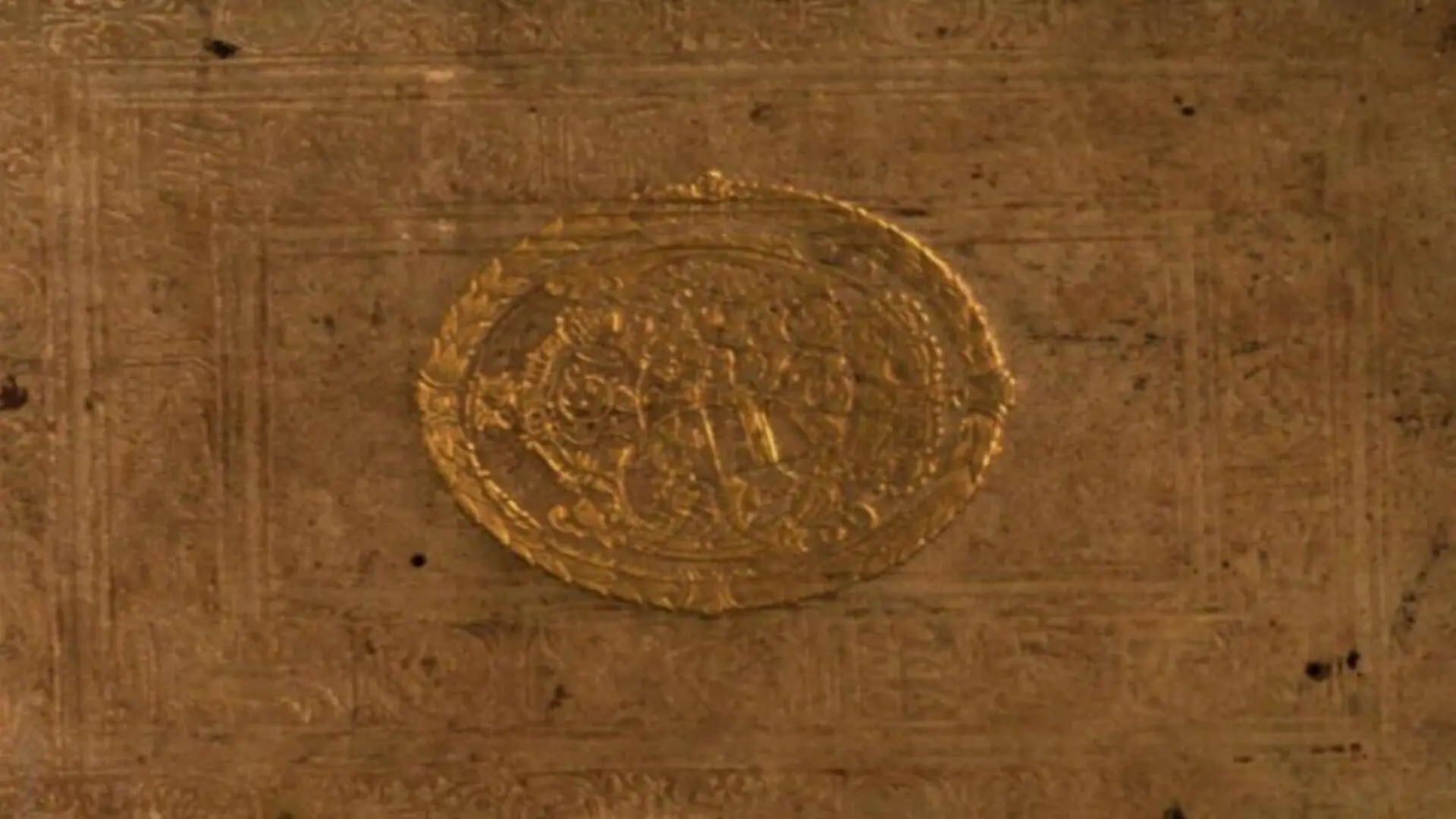
The so‑called Prophecy of the Popes consists of 113 brief Latin phrases traditionally linked to Saint Malachy, a 12th‑century Irish archbishop. Each phrase is said to describe a successive pope or antipope from the 1100s onward, and the early entries often appear strikingly precise. Yet the document itself only surfaces in the historical record in 1595, well after Malachy’s death, raising doubts about its true origins.
Early Entries That Seem to Fit the Record
One of the first matches involves Celestine II, who reigned from 1143 to 1144. The associated motto is usually rendered as “from a castle on the Tiber,” and Celestine was born in Città di Castello, a town situated on the Tiber River. A similar case is Benedict XII, pope from 1334 to 1342; his phrase translates to “Cold Abbot,” a reference that aligns with the Abbey of Fontfroide, whose name means “cold spring.” Such correlations are frequently cited as evidence that the prophecy anticipated later pontiffs with uncanny accuracy.
Later entries, however, become considerably harder to pin down. The motto linked to Pius VII, commonly translated as “rapacious eagle,” offers only a tenuous connection to his era, with some commentators stretching the association to Napoleon’s Imperial Eagle—a symbol that recurs across many empires.
Scholars Question the Prophecy’s Provenance
Because the early verses align more cleanly with historical facts than the later ones, many researchers propose that the text was not a 12th‑century creation preserved in Vatican archives [source]. Instead, it may have been compiled shortly before its emergence in the late‑1500s, a timing that would explain the gradual decline in specificity.
The most sensational modern interpretation claims that the prophecy foretells a judgment day in 2027 following Pope Francis’s death. The actual manuscript contains no mention of 2027 or the phrase “judgment day.” Its concluding stanza speaks of a figure called “Peter the Roman,” who will shepherd his flock through “many tribulations,” after which the “city of seven hills” is destroyed and a “dreadful judge” will pass judgment.
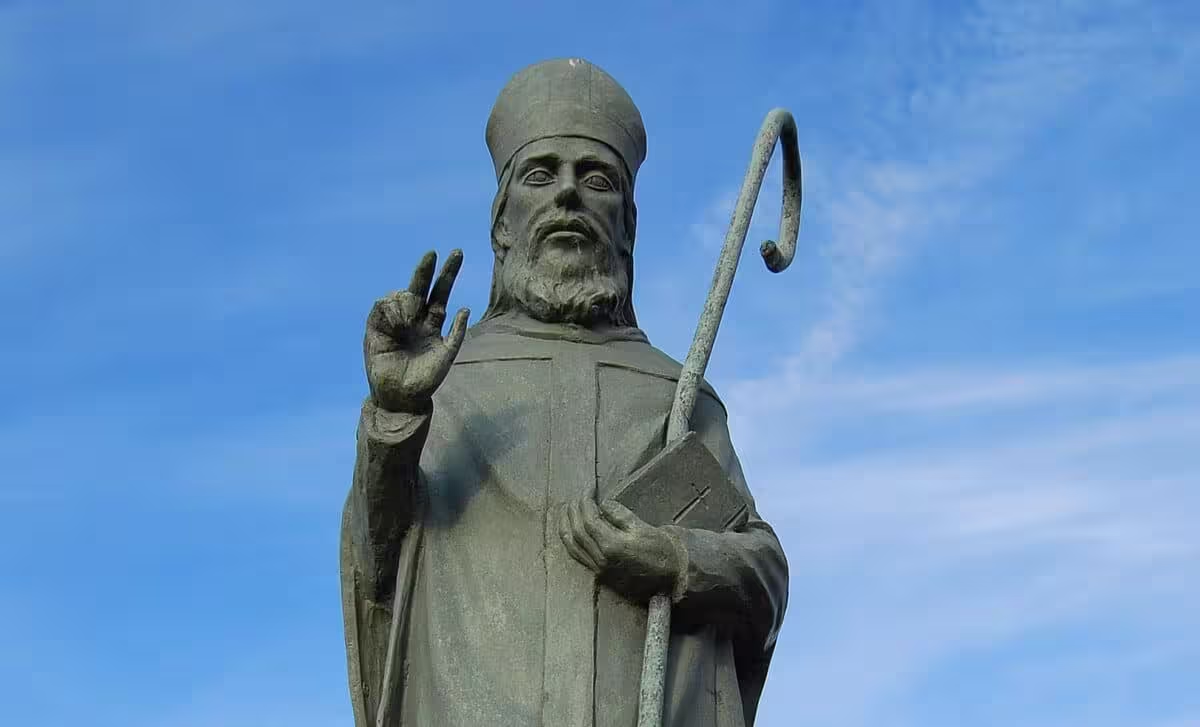
Some online discussions identify Pope Francis as the prophesied “Peter the Roman,” yet there is no direct linguistic link: Francis was born in Argentina to a family of Italian descent. The current pontiff, Leo XIV (born Robert Francis Prevost), boasts Italian, French, Spanish and Louisiana Creole heritage, but none of these backgrounds conclusively ties him to the title.
Consequently, the identity of the final figure remains ambiguous, and the text offers no explicit date for the apocalyptic scenario it describes. What survives is a historical curiosity whose early “predictive” successes fade once the document entered the public sphere in the late sixteenth century.
This article has been fact checked for accuracy, with information verified against reputable sources. Learn more about us and our editorial process.
Last reviewed on .
Article history
- Latest version
Reference(s)
- “2up.” <https://archive.org/details/bub_gb_a4o8AAAAcAAJ/page/n671/mode/2up>.
Cite this page:
- Posted by Zara Tariq