How a 13-Year-Old Crawled Through a Tiny Tunnel to Find America’s Largest Underground Lake
A teenage explorer discovered an extraordinary site hidden 140 feet underground after navigating 40 feet of crushing darkness.
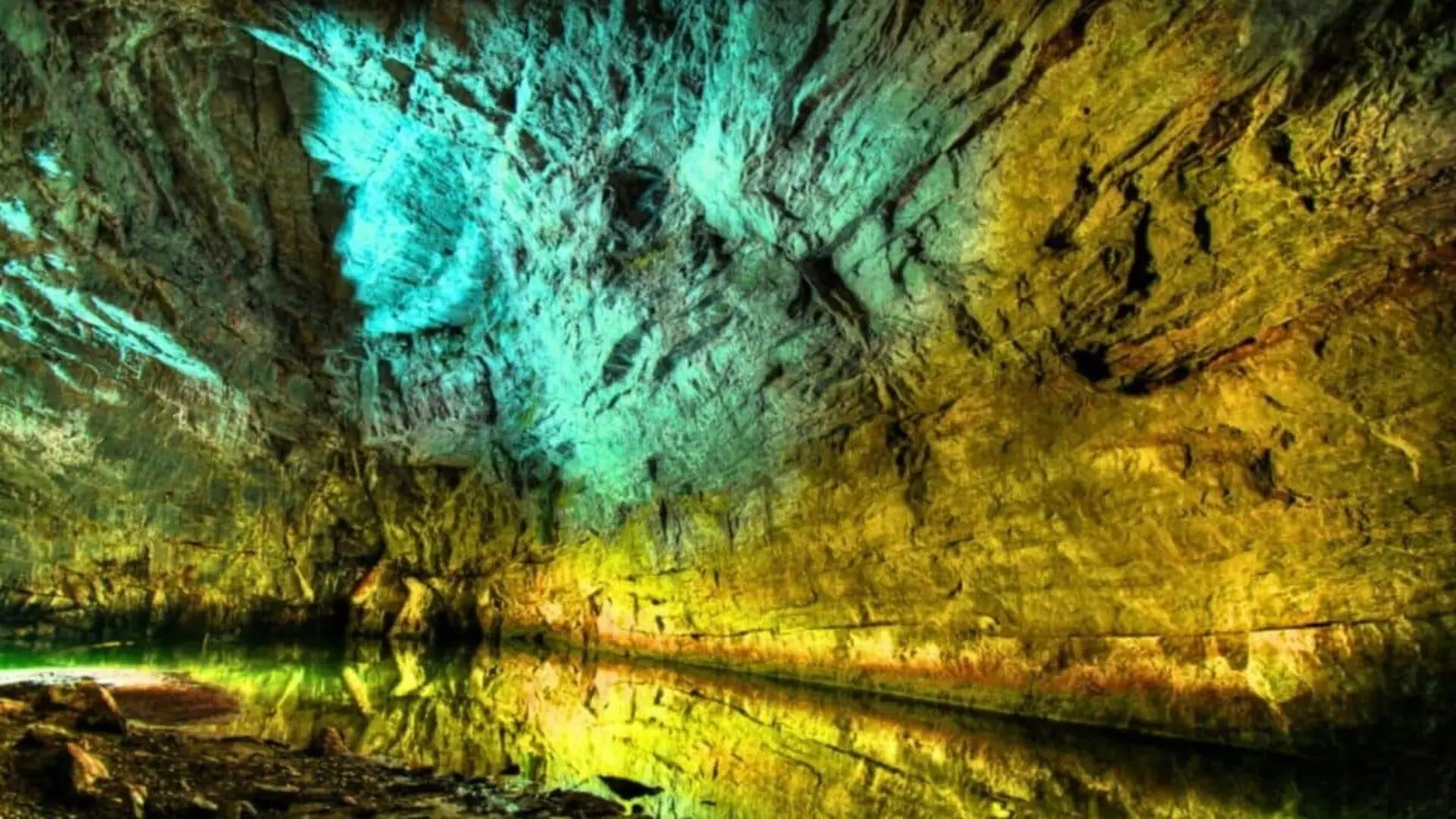
In the foothills of Tennessee’s Smoky Mountains, roughly 140 feet below the surface, lies a vast aquatic expanse known as the Lost Sea. Recognized as the largest underground lake in the United States, this expansive body of water hidden within Craighead Caverns was brought to light by an unlikely explorer: thirteen-year-old Ben Sands.
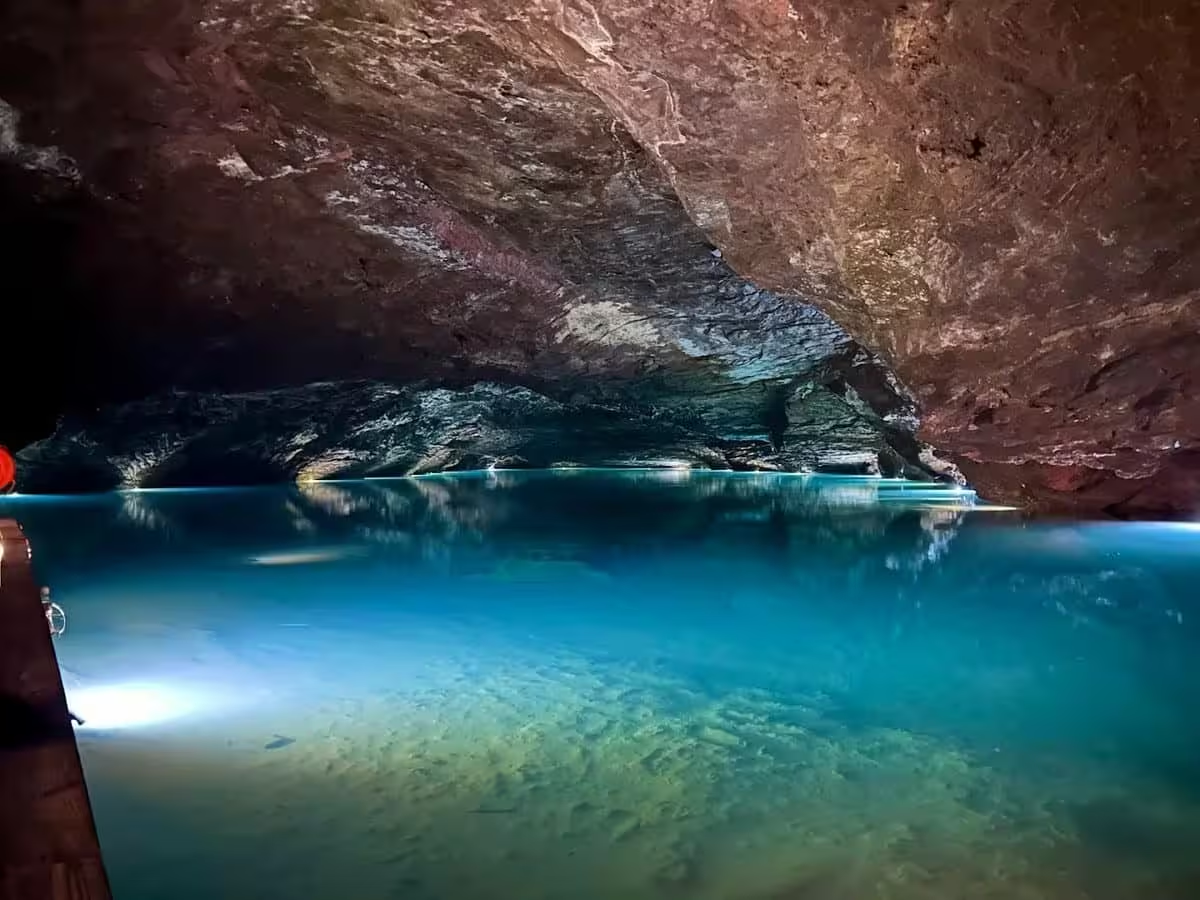
The discovery occurred when a young Sands navigated a cramped, jagged passage, crawling on his hands and knees for nearly forty feet. The tunnel was so restrictive at the time that it was likened to the diameter of a bicycle tire. Emerging from the claustrophobic squeeze, Sands stepped into knee-deep water, effectively uncovering a hidden subterranean world that stretches across roughly 4.5 acres with depths reaching at least seventy feet.
A Long History Beneath the Surface
While Sands is credited with the modern discovery of the lake, Craighead Caverns has a storied human history. Archaeological and historical records indicate that the Cherokee people utilized the caves for shelter as early as the 1820s. During the Civil War, the cavern system served a strategic industrial purpose, as soldiers harvested minerals from within the cave walls to manufacture gunpowder.
The geology surrounding such sites is inherently complex. These karst aquifers, characterized by intricate networks of fractures and underground conduits, allow water to traverse subterranean pathways that are often invisible to the casual observer. A U.S. Geological Survey analysis of the Edwards Aquifer in Texas highlights the volatility of these systems, noting that rapid recharge rates can leave groundwater vulnerable to surface-level contaminants. While these findings cannot be directly applied to the Lost Sea, they underscore the hidden, fluid nature of karst landscapes.
From Secret Passage to Public Wonder
Today, the site has been transformed into a major destination, welcoming approximately 150,000 visitors annually for the Lost Sea Adventure. Tour guide Savannah Dalton notes that the experience has changed significantly since Sands first ventured into the darkness. To accommodate modern tourism, the once-tiny access tunnel has been expanded through controlled blasting, making the entry significantly more accessible than it was during the original discovery.
Visitors who boat across the clear, still waters often share the environment with a unique population of rainbow trout. According to reports from the site, nearly 300 of these fish inhabit the underground lake. Observations suggest that these trout have begun to exhibit physical adaptations to their perpetual environment, including a reduction in both color pigmentation and visual acuity. While these traits are visible, they do not necessarily indicate an ongoing evolutionary shift, but rather highlight the unique environmental pressures of life in the deep subterranean realm.
Many of the cavern’s most striking geological features, such as its complex flowstone and stalactite formations, have been slowly sculpting themselves for millennia. As the site continues to operate as a nexus for geology and tourism, it remains a testament to the vast, hidden environments that lie beneath the American landscape.
This article has been fact checked for accuracy, with information verified against reputable sources. Learn more about us and our editorial process.
Last reviewed on .
Article history
- Latest version
Reference(s)
- “Karst groundwater vulnerability determined by modeled age and residence time tracers.”, September 14, 2023 USGS <https://www.usgs.gov/publications/karst-groundwater-vulnerability-determined-modeled-age-and-residence-time-tracers>.
Cite this page:
- Posted by Zara Tariq