Solar Storm Headed for Earth Could Bring Northern Lights to Northern US States This Week
A powerful solar storm heading toward Earth could trigger dazzling northern lights displays across parts of the northern United States this week.
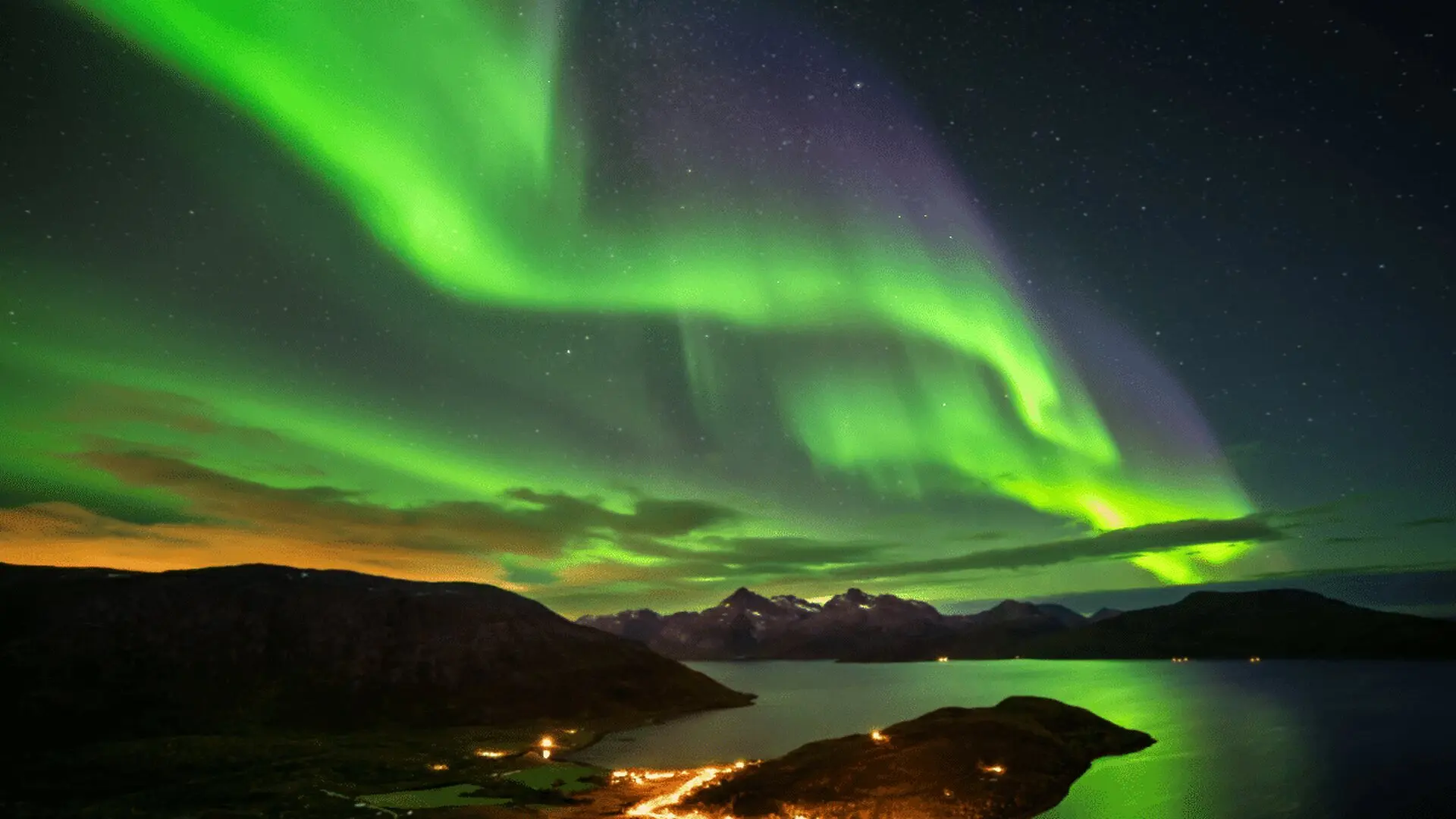
A series of solar eruptions is barreling toward Earth, bringing the prospect of aurora borealis sightings across the northern United States as early as Monday night. Forecasters anticipate that incoming coronal mass ejections (CMEs) will trigger G1-level geomagnetic storm conditions, potentially lighting up the night sky through Tuesday, September 8, 2026.
This latest space weather activity follows a surge in solar volatility, characterized by multiple M-class flares and a C9-class eruption that launched a wave of charged particles in our direction. While the resulting storm is classified as minor, favorable viewing conditions in areas with minimal light pollution could offer skywatchers a glimpse of the northern lights.
Solar Dynamics Behind the Auroral Forecast
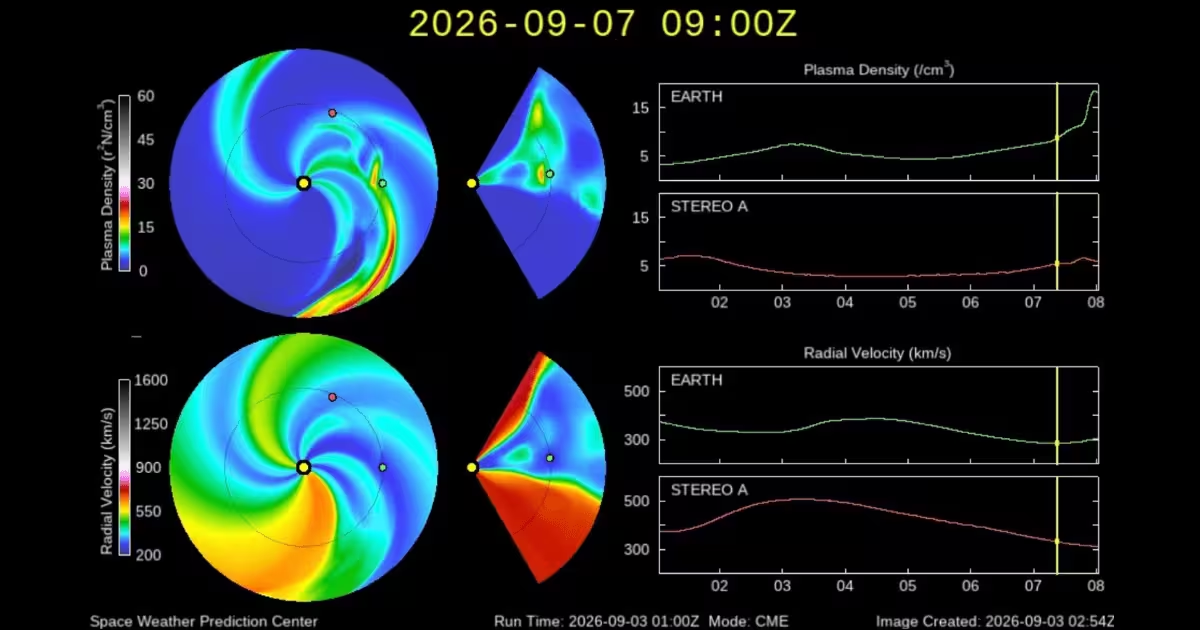
The current disturbance stems from magnetic instabilities on the Sun, specifically originating from the complex region designated as sunspot 4524. While solar flares release electromagnetic radiation that reaches our planet in minutes, CMEs consist of massive clouds of plasma that travel more slowly, often taking days to traverse the distance between the Sun and Earth.
The current forecast incorporates data from two separate eruptions: one that occurred on September 2 and a second on September 4. These solar events are expected to impact the magnetosphere, potentially causing geomagnetic disturbances. The prime window for observation is projected for the pre-dawn hours of Tuesday, though daylight may obscure the peak intensity for many observers in the U.S.
Monitoring the Space Weather Impact
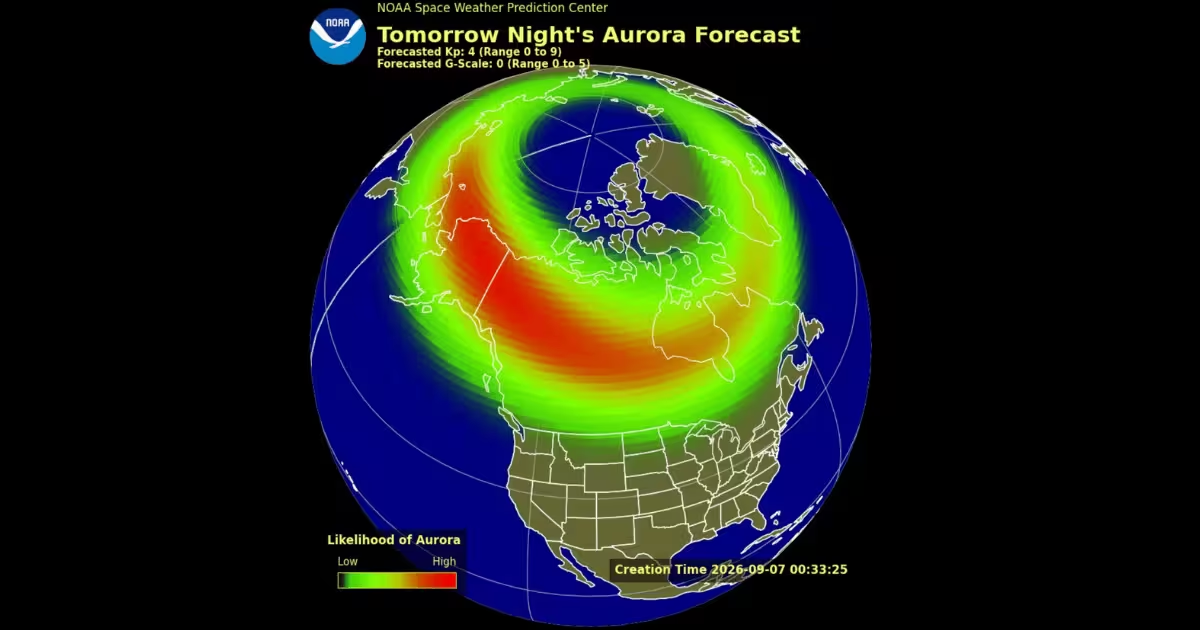
The National Oceanic and Atmospheric Administration (NOAA) Space Weather Prediction Center (SWPC) has officially flagged the risk of G1-level activity. Scientists are continuing to monitor the region, noting that additional solar material could heighten conditions later in the week.
According to current tracking models, the best opportunities to view the aurora include high-latitude regions and northern states such as Alaska, Washington, Idaho, Montana, North Dakota, South Dakota, Minnesota, Wisconsin, Michigan, upper New York, and Maine. Regions across Montana, North Dakota, and Minnesota are currently viewed as the most likely locations for visible displays before sunrise. Beyond the visual spectacle, NOAA experts emphasize that even minor storms can occasionally impact radio communications, power grids, and satellite operations.
The Physics of Auroral Displays
The aurora borealis is a visual manifestation of solar energy colliding with the Earth’s upper atmosphere. As charged solar particles interact with gas atoms, they transfer energy, resulting in the vibrant emissions of light we perceive as the northern lights. The specific colors observed, such as the characteristic greens, reds, or purples, depend on which atmospheric gases are being excited at high altitudes.
The Sun is currently progressing through an active phase of its 11-year cycle, providing researchers with vital opportunities to refine their understanding of space weather. While the recent C9-class flare was modest in scale, the trajectory of the accompanying CME remains the primary factor in whether these displays become visible to the naked eye at lower latitudes.
Observing the Night Sky
For those aiming to spot the aurora, experts recommend moving as far from artificial city light as possible and focusing the gaze toward the northern horizon. Success will depend on a combination of clear weather, dark skies, and the actual intensity of the geomagnetic storm as it unfolds.
As the solar material continues its transit, the SWPC remains the primary source for real-time updates. These events serve as a critical reminder of the complex, invisible relationship between the Sun and our planet, a connection that requires ongoing study to protect the infrastructure that supports modern global technology.
This article has been fact checked for accuracy, with information verified against reputable sources. Learn more about us and our editorial process.
Last reviewed on .
Article history
- Latest version
Reference(s)
- “Alerts, Watches and Warnings | NOAA / NWS Space Weather Prediction Center.” <https://www.spaceweather.gov/products/alerts-watches-and-warnings>.
Cite this page:
- Posted by Zara Tariq