Rare Devil Flower Discovered in Thailand Is Unlike Any Plant Scientists Have Ever Seen
Hidden beneath the forest floor, a mysterious new flower species with unique traits has finally been discovered, captivating researchers worldwide.
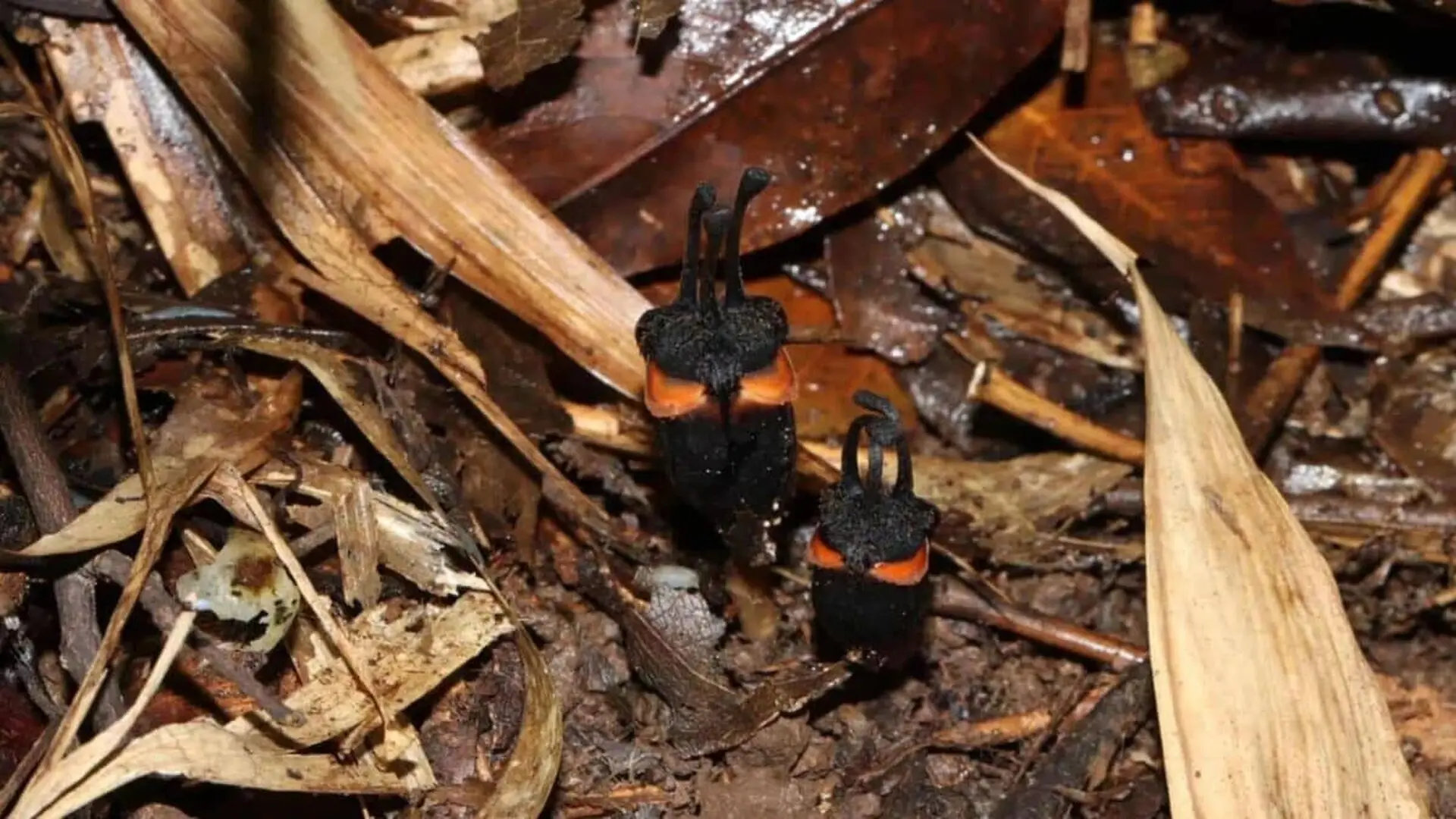
Botanists in Thailand have unveiled a startling botanical discovery: a rare, subterranean species dubbed the “devil flower” for its dark, horn-like appearance and elusive nature. Formally identified as Thismia daemona, this strange organism spends almost its entire life cycle buried beneath the forest floor, emerging only to bloom in a display that challenges conventional understandings of plant life.
The discovery, documented in the journal PhytoKeys, occurred during an expedition to the Thong Pha Phum National Park in western Thailand. Researchers from Chulalongkorn University and Prince of Songkla University were particularly struck by the plant’s habitat. While most members of the Thismia genus—often referred to as “fairy lanterns”—typically inhabit humid, low-elevation rainforests, this new species was found flourishing in a seasonal mountain forest at an elevation of nearly 1,000 meters.
An Underground Existence Without Photosynthesis
Thismia daemona has evolved to bypass the need for photosynthesis entirely. Lacking both leaves and chlorophyll, the plant is incapable of harvesting solar energy. Instead, it relies on a symbiotic relationship with subterranean fungi to acquire its nutrients. This specialized survival strategy, combined with its subterranean lifestyle, makes the plant exceptionally difficult to locate, as it remains hidden under leaf litter for the majority of the year.
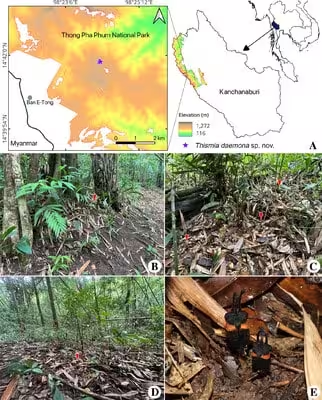
The identification of this species in Thailand also extends the geographical range of the Thismia section Geomitra, which had previously only been recorded in regions including Peninsular Malaysia, Borneo, and Sumatra. Dr. Sahut Chantanaorrapint of Prince of Songkla University noted that finding the plant in a montane evergreen forest was a significant departure from expected norms for the group.
Naming the “Devil Flower”
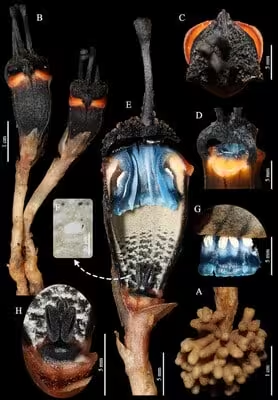
The plant’s moniker stems from its unique, unsettling morphology. The bloom features a darkened, dome-like miter adorned with horn-like structures and striking reddish-orange markings that resemble glowing eyes. According to Dr. Chantanaorrapint, the research team found the name daemona to be a perfect fit for a plant that combines an enigmatic, buried existence with such a dramatic, otherworldly appearance.
Conservation Challenges for a Rare Species
Despite its remarkable nature, the future of Thismia daemona is precarious. Researchers have identified only one population consisting of fewer than 50 individuals within an area smaller than a football field, leading to a provisional classification of Critically Endangered. Although situated within a national park, the site remains vulnerable to human foot traffic and environmental shifts.
Dr. Chantanaorrapint emphasizes that long-term survival for the plant depends on community-integrated conservation. By adopting frameworks similar to the UNESCO Man and the Biosphere program, officials hope to foster local appreciation for the ecosystem, balancing biodiversity protection with sustainable, community-led ecotourism. The discovery marks the sixteenth Thismia species recorded in Thailand, serving as a reminder of the hidden biological diversity still waiting to be documented in the world’s forests.
This article has been fact checked for accuracy, with information verified against reputable sources. Learn more about us and our editorial process.
Last reviewed on .
Article history
- Latest version
Reference(s)
- Seelanan, Tosak. “Thismia daemona (Thismiaceae), a new species from Thailand supported by morphological and molecular evidence.”, vol. 278, August 17, 2026, pp. 177-189. Pensoft Publishers, doi: PropertyValue. <https://phytokeys.pensoft.net/article/202868/>.
Cite this page:
- Posted by Zara Tariq