Hunley Submarine Raised After Century: Crew Found Frozen at Their Stations
Researchers find the H.L. Hunley’s eight crew still seated at their stations, reviving a decades‑old mystery about the Civil War submarine.
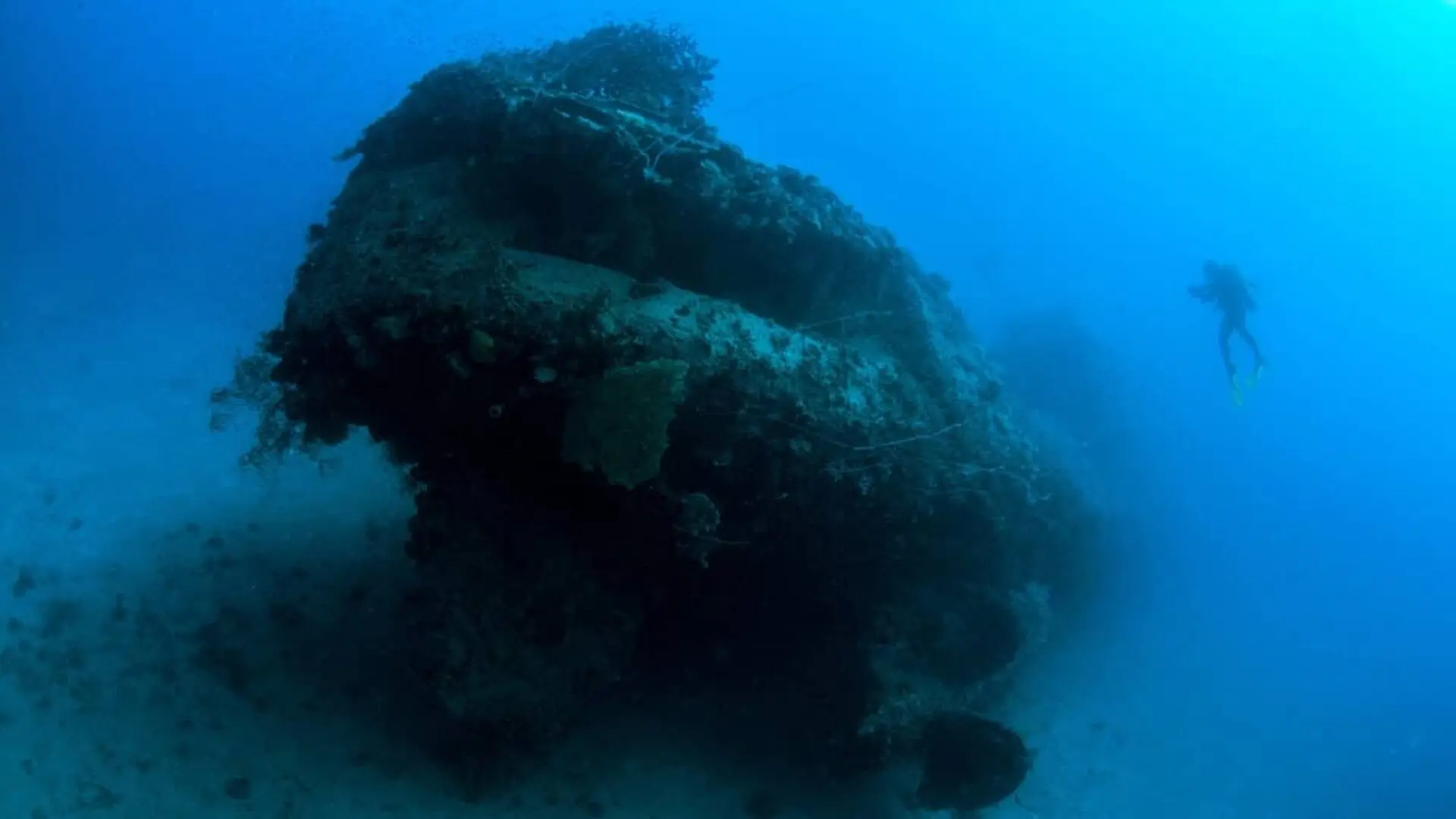
During the American Civil War, the Confederate vessel H.L. Hunley achieved a historic milestone by sinking the Union warship USS Housatonic in Charleston Harbor, South Carolina. The triumph proved fatal for the submarine and its eight‑man crew, which vanished beneath the waves later that night.
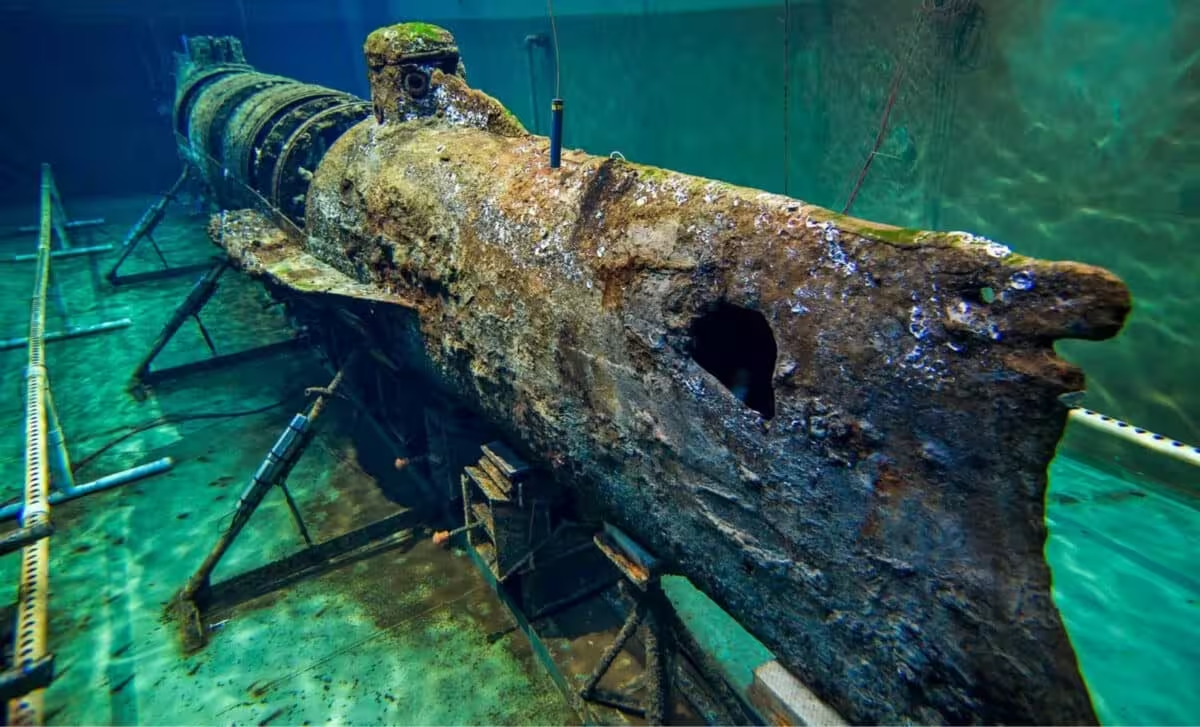
More than a hundred years later, a civilian search led by underwater archaeologist Ralph Wilbanks, with assistance from Clive Cussler’s National Underwater and Marine Agency (NUMA), pinpointed the wreck in 1995. The vessel was subsequently hoisted in 2000, revealing a startling scene inside the iron hull.
Crew Found Still Seated at Their Stations
When the submarine was opened, investigators did not encounter the frantic scramble for an exit that many later submarine disasters exhibit. Earlier accounts of such incidents often describe crews clustering near hatchways in a last‑ditch effort to survive.
Smithsonian Magazine (Smithsonian Magazine) reported that the eight men were discovered calmly positioned at their workstations, with no evidence of attempts to breach the heavy iron doors. This arrangement challenged the assumption that the crew had realized the vessel was sinking, prompting researchers to search for an alternative explanation for their preserved posture.
The Torpedo’s Proximity May Have Sealed Their Fate
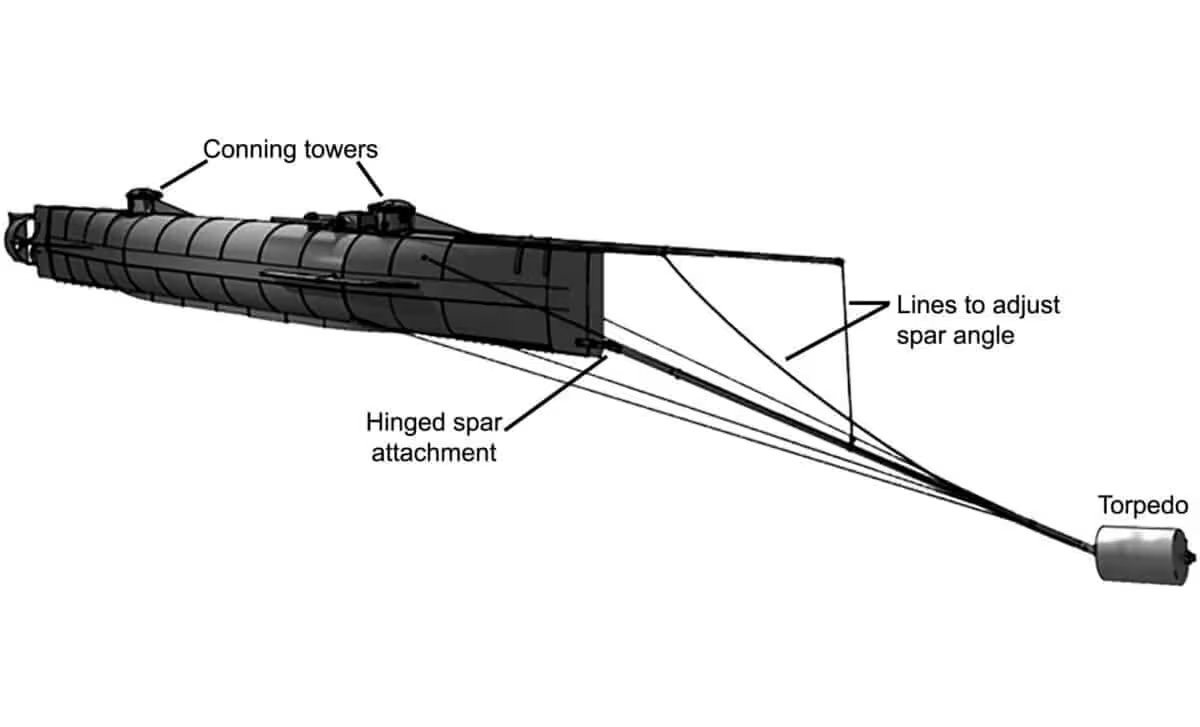
The Hunley’s attack relied on a 135‑pound black‑powder torpedo affixed to a 16‑foot pole that extended from the bow, meaning the submarine was essentially in contact with the explosion when the Housatonic was destroyed.
A research team affiliated with Duke University explored whether the blast could have killed the crew instantly. In a 2017 study published in PLOS One (PLOS One), graduate student Rachel M. Lance and colleagues constructed a one‑sixth scale model of the Hunley to simulate underwater detonations and trace shock‑wave transmission through the hull.
The investigators concluded that the secondary shock wave generated by the Housatonic’s destruction would have caused the hull to flex dramatically, leaving each crew member with less than a 16 percent probability of surviving the blast.
Debate Over the Exact Cause of Death
If the shock wave incapacitated the sailors instantly, they would have remained seated, unaware that the submarine was sinking. This scenario explains the lack of escape attempts observed in the recovered vessel.
However, the hypothesis has not achieved universal acceptance. Neither the U.S. Navy nor the organizations tasked with preserving the Hunley have formally endorsed the “lung blast” explanation as the definitive cause of death (the U.S. Navy).
More than a century after its disappearance, the H.L. Hunley continues to attract scholarly attention, offering fresh insights into early underwater combat and the perils faced by the pioneers who manned one of history’s first war submarines.
This article has been fact checked for accuracy, with information verified against reputable sources. Learn more about us and our editorial process.
Last reviewed on .
Article history
- Latest version
Reference(s)
- “Hunley (C.S.S.) | National Underwater and Marine Agency.” <https://numa.net/expeditions/hunley-c-s-s/>.
- Lance, Rachel. “The New Explosive Theory About What Doomed the Crew of the 'Hunley'.”, February 19, 2020 Smithsonian Magazine <https://www.smithsonianmag.com/history/new-explosive-theory-what-doomed-crew-hunley-180974159/>.
- Lance, Rachel. “Air blast injuries killed the crew of the submarine H.L. Hunley.”, vol. 12, no. 8, pp. e0182244, doi: 10.1371/journal.pone.0182244. <https://journals.plos.org/plosone/article?id=10.1371/journal.pone.0182244>.
- Posted by Zara Tariq