How a 25 Dollar Apartment Party in the Bronx Accidentally Invented Hip Hop
Discover the untold story of the night a simple DJ trick sparked a musical revolution, forever changing the landscape of dance culture.
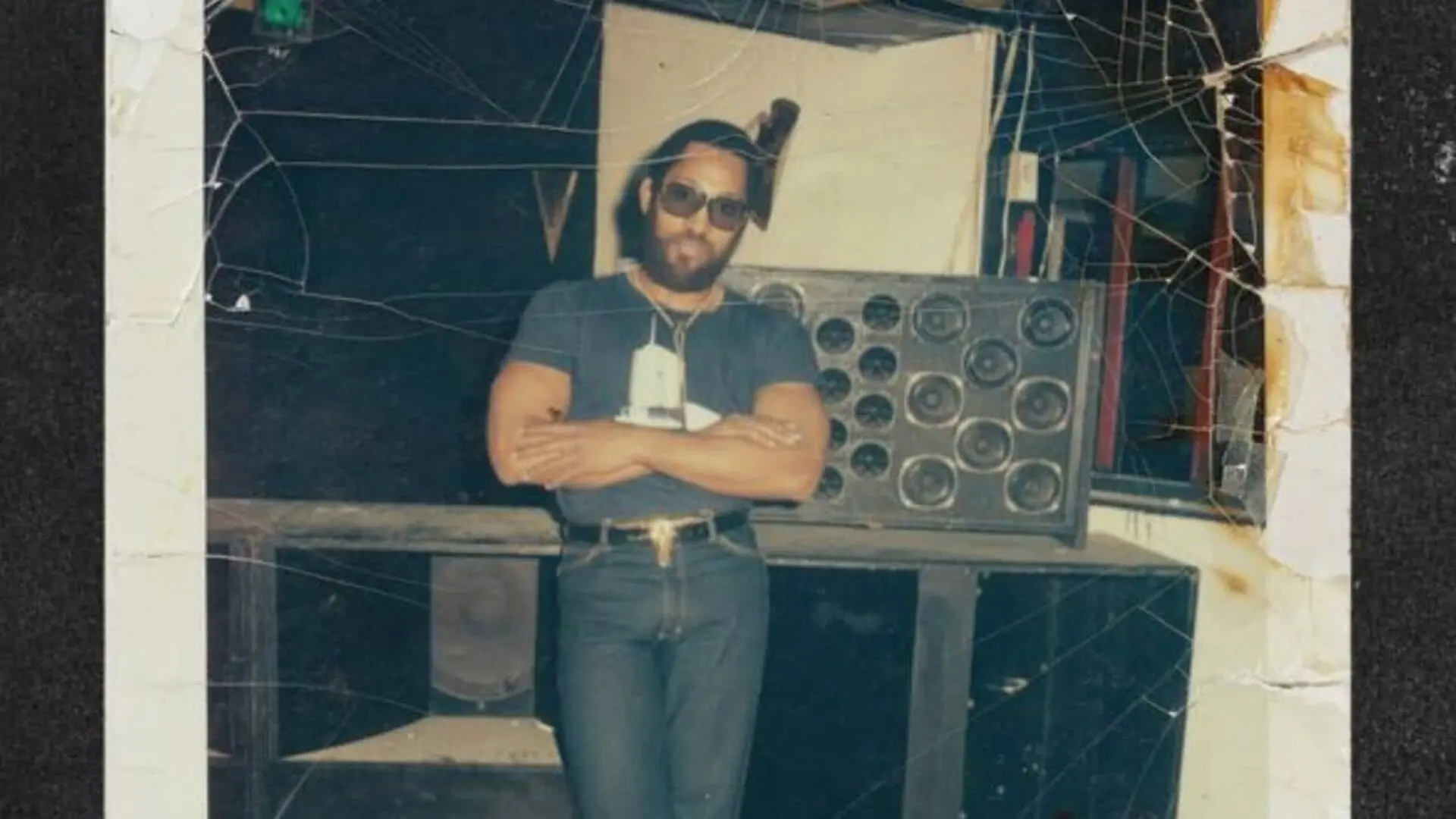
On August 11, 1973, a simple back-to-school fundraiser in the recreation room of a Bronx apartment complex sparked a global cultural revolution. Organized by Cindy Campbell to cover the costs of her new school wardrobe, the event at 1520 Sedgwick Avenue charged guests a modest quarter or fifty cents for entry. Her older brother, Clive—a teenager who had constructed his own custom sound system—provided the entertainment. That long night, which stretched from 9 p.m. until dawn, is now recognized as the genesis of hip-hop.

The Architect of the Break
Clive Campbell, known to the world as DJ Kool Herc, brought a unique sonic perspective to New York. Having moved to the Bronx from Kingston, Jamaica, at age 12, he was deeply influenced by the island’s vibrant sound system culture. However, he diverged from the heavy-bass tradition of his homeland, instead tuning his custom-built speakers, known as the Herculoids, to emphasize mid and high-range frequencies.
Observing crowds on the dance floor, Herc identified a pivotal moment in funk and soul records: the “break,” where percussion and rhythm took center stage. By utilizing two copies of the same vinyl record on dual turntables and a mixer, he pioneered the “merry-go-round” technique. This method allowed him to seamlessly loop these rhythmic sections, creating an extended, high-energy foundation for dancers. Because he lacked professional headphones, he learned to identify these specific segments by visually inspecting the grooves of the records. “I went for the yolk, the butter,” he later described of his technique.
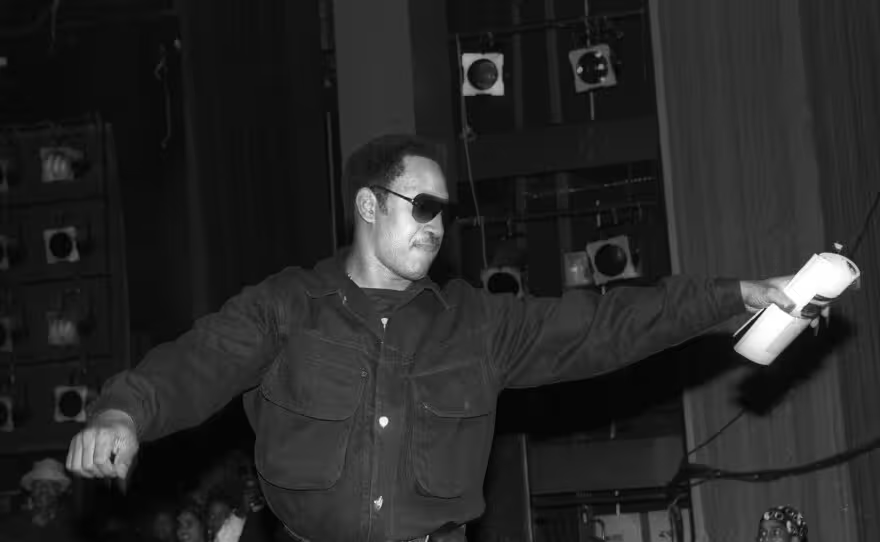
The soundtrack for that historic night featured tracks from artists such as James Brown, the Isley Brothers, and the Incredible Bongo Band. As Herc worked the turntables, his collaborator Coke La Rock took to the microphone to deliver vocal shout-outs and impromptu rhymes. This interplay gave rise to the iconic “b-boys” and “b-girls,” who defined their dance style during these extended rhythmic breaks.
Mythmaking and Historical Significance
The exact scale of the party remains a subject of historical debate. While some anecdotes suggest hundreds were in attendance, researchers like Jeff Chang, author of Can’t Stop Won’t Stop, posit a more intimate gathering of roughly 100 people. Regardless of the headcount, the event served as a vital social outlet for local youth excluded from traditional nightlife venues.
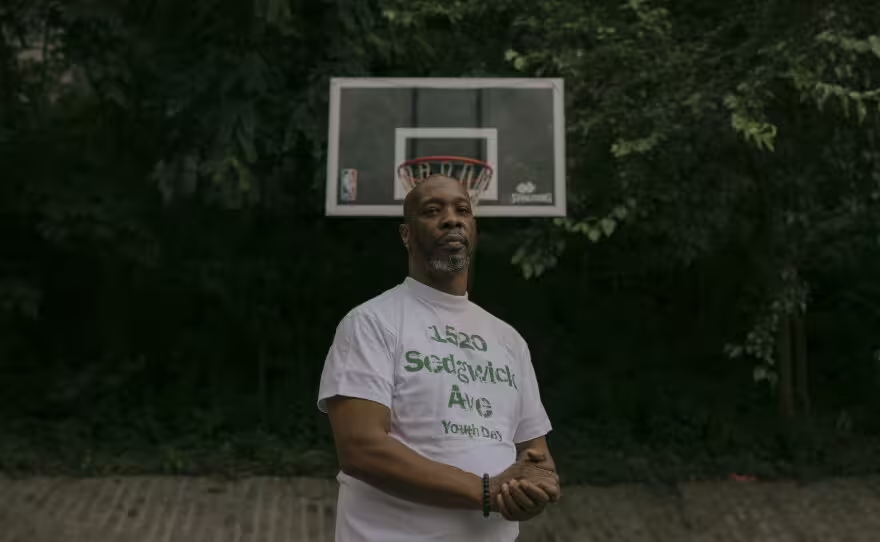
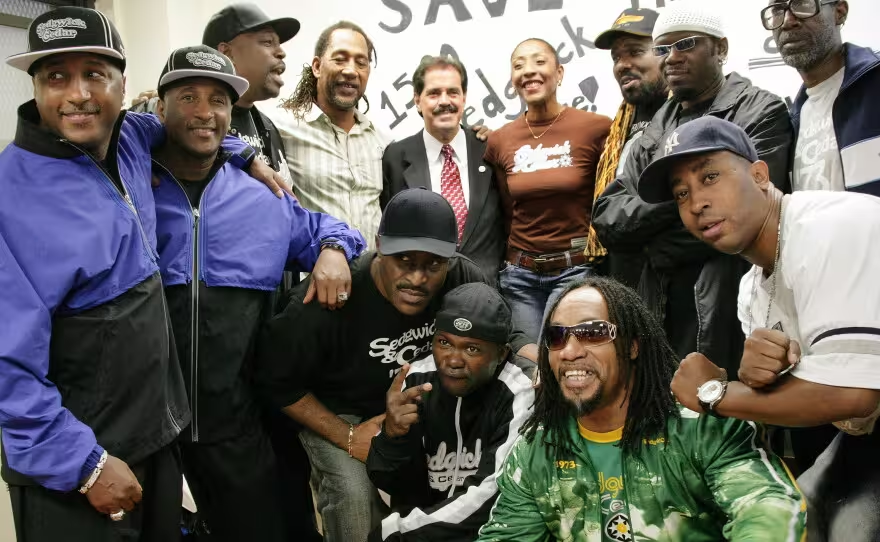
The 18-story structure at 1520 Sedgwick Avenue has since achieved official recognition as the birthplace of hip-hop, a designation formally granted by the New York State Office of Parks, Recreation and Historic Preservation in 2007. Its survival has been marked by financial instability and shifts in ownership, narrowly avoiding conversion to market-rate housing during the post-2008 economic climate.
In recent years, DJ Kool Herc’s legacy has been cemented through high-profile accolades. His original equipment was auctioned by Christie’s in 2022, fetching over $850,000, and in 2023, he received the Musical Influence Award from the Rock & Roll Hall of Fame, where he was formally acknowledged as the “Father of Hip-Hop.” Despite this global acclaim, the recreation room where the phenomenon began remains a modest, unassuming space, largely unchanged from its 1970s roots.
This article has been fact checked for accuracy, with information verified against reputable sources. Learn more about us and our editorial process.
Last reviewed on .
Article history
- Latest version
Cite this page:
- Posted by Zara Tariq