Scientists Discover A Brain Switch That Could Normalize Persistent High Blood Pressure
Scientists have discovered a brain circuit linking breathing to blood pressure, offering a potential new target for treating neurogenic hypertension.
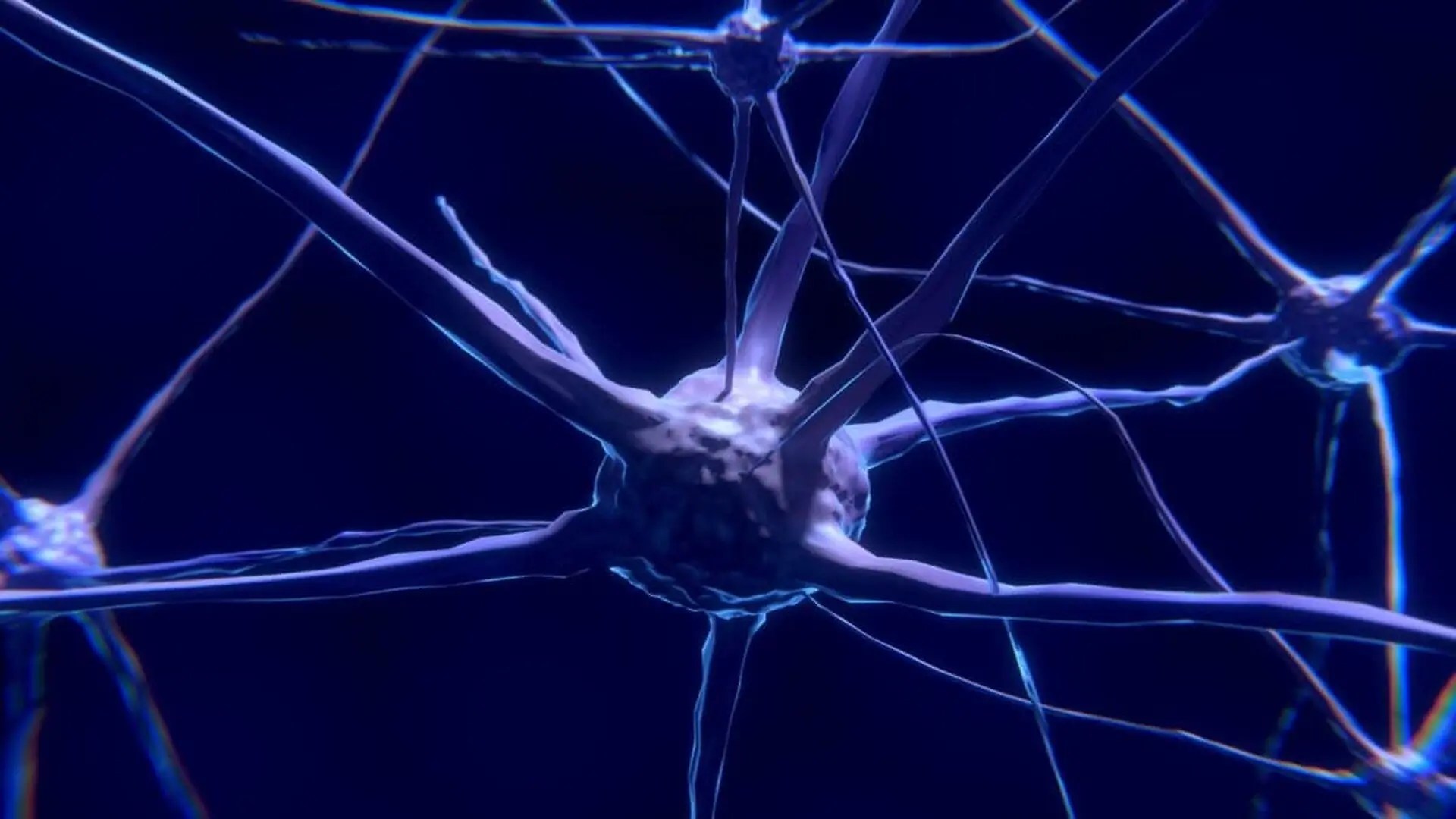
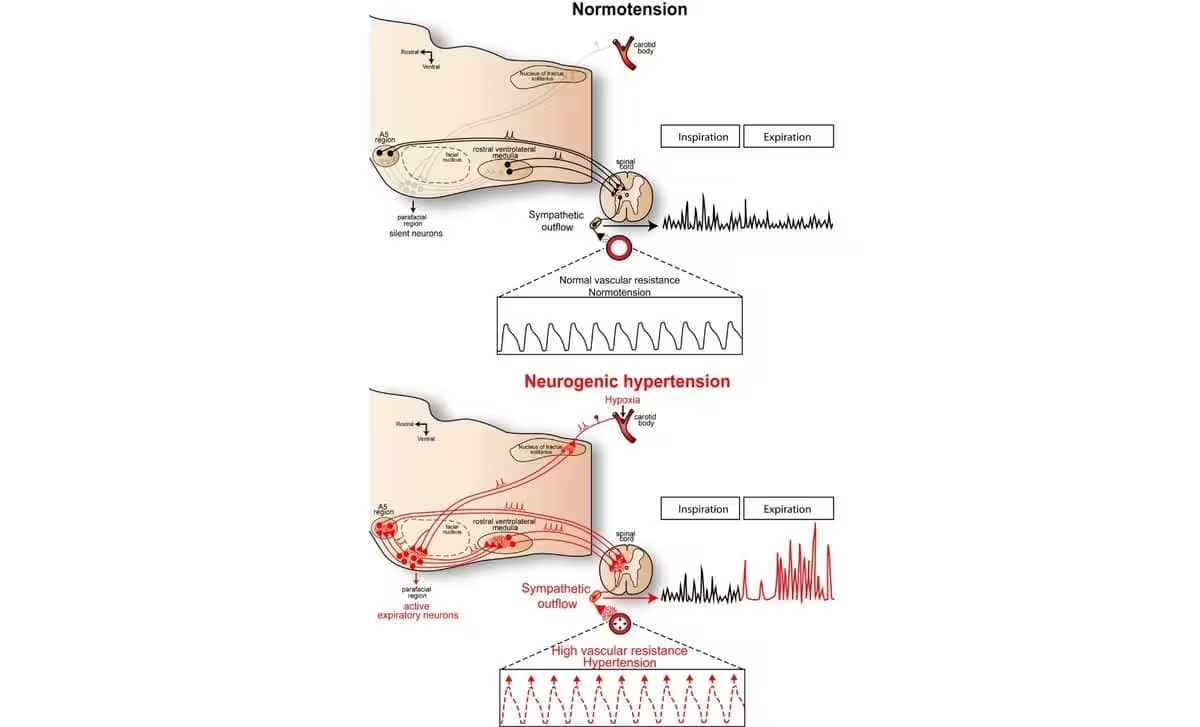
A specialized cluster of neurons in the brain stem, previously known primarily for managing forceful breathing, may hold the key to understanding and treating persistent hypertension. New research suggests that this specific region, the lateral parafacial (pFL) nucleus, acts as a hidden driver of high blood pressure by sending excitatory signals to the cardiovascular system during exhalation.
High blood pressure remains a stubborn medical challenge, with approximately 40 percent of patients failing to achieve target readings despite standard treatment. Scientists believe that overactive sympathetic nervous system signaling is a major contributor to these difficult-to-treat cases, but the precise neural mechanisms behind this excess activity have remained elusive.
Unlocking the Respiratory-Cardiovascular Link
A collaborative team from the University of São Paulo and the University of Auckland identified that the pFL, located within the medulla, becomes hyperactive under conditions of low oxygen or high carbon dioxide. While this area is usually dormant during relaxed breathing, it springs into action during strenuous activities like coughing or exercise. By utilizing advanced optogenetic and pharmacogenetic tools in rat models, the researchers demonstrated that stimulating these neurons triggers active expiration while simultaneously spiking sympathetic nerve activity and blood pressure.
As detailed in Circulation Research, the study found that pFL neurons project directly to the rostral ventrolateral medulla (RVLM) and the A5 region—two critical hubs for blood pressure regulation. In hypertensive rats, the connection between the pFL and the RVLM was notably enhanced. Remarkably, when the researchers inhibited these pFL neurons, the rats’ elevated blood pressure returned to normal levels, suggesting the region acts as a “gas pedal” for hypertension.
This finding is particularly relevant to conditions like sleep apnea, where intermittent hypoxia triggers the same physiological pathways. “We discovered that, in conditions of high blood pressure, the lateral parafacial region is activated and, when our team inactivated this region, blood pressure fell to normal levels,” said University of Auckland physiologist Julian Paton.
Shifting Focus to Peripheral Sensors
Because directly manipulating brain tissue poses significant clinical risks, researchers are now exploring a less invasive approach. Instead of targeting the brain, the team is investigating the carotid bodies, sensory clusters in the neck that act as remote monitors for blood gas levels. By modulating the signals sent from these sensors, they hope to dampen the pFL’s activity from the outside in.
Paton’s team is currently evaluating a repurposed drug that can suppress carotid body activity without the need to cross the blood-brain barrier. This mirrors other ongoing efforts in the field, such as research involving pyridoxal 5′ phosphate, a derivative of vitamin B6 that targets the P2X3 receptor in carotid bodies. That specific intervention, described in Cardiovascular Research, has shown promise in reducing both blood pressure and the body’s exaggerated reflex response to low oxygen.
While these preclinical developments represent a significant step forward in understanding the neural architecture of hypertension, researchers emphasize that translating these findings into human therapies remains a long-term goal. Further studies are required to confirm that the human brain relies on an identical pFL-linked circuit and to ensure that silencing such pathways does not interfere with critical respiratory or autonomic functions.
This article has been fact checked for accuracy, with information verified against reputable sources. Learn more about us and our editorial process.
Last reviewed on .
Article history
- Latest version
Reference(s)
- Magalhães, Karolyne S.., et al. “Lateral Parafacial Neurons Evoked Expiratory Oscillations Driving Neurogenic Hypertension.” Circulation Research, vol. 138, no. 2, January 16, 2026 Ovid Technologies (Wolters Kluwer Health), doi: 10.1161/CIRCRESAHA.125.326674. <https://www.ahajournals.org/doi/10.1161/CIRCRESAHA.125.326674>.
- “Discovery.” <https://profiles.auckland.ac.nz/j-paton>.
- <https://pubmed.ncbi.nlm.nih.gov/41094718/>.
Cite this page:
- Posted by David Anderson