Tiny Four Winged Dinosaur Discovery Rewrites The Evolution Of Flight
A newly discovered dinosaur from China offers key clues about whether flight evolved once or multiple times, revealing secrets hidden in its unique anatomy.
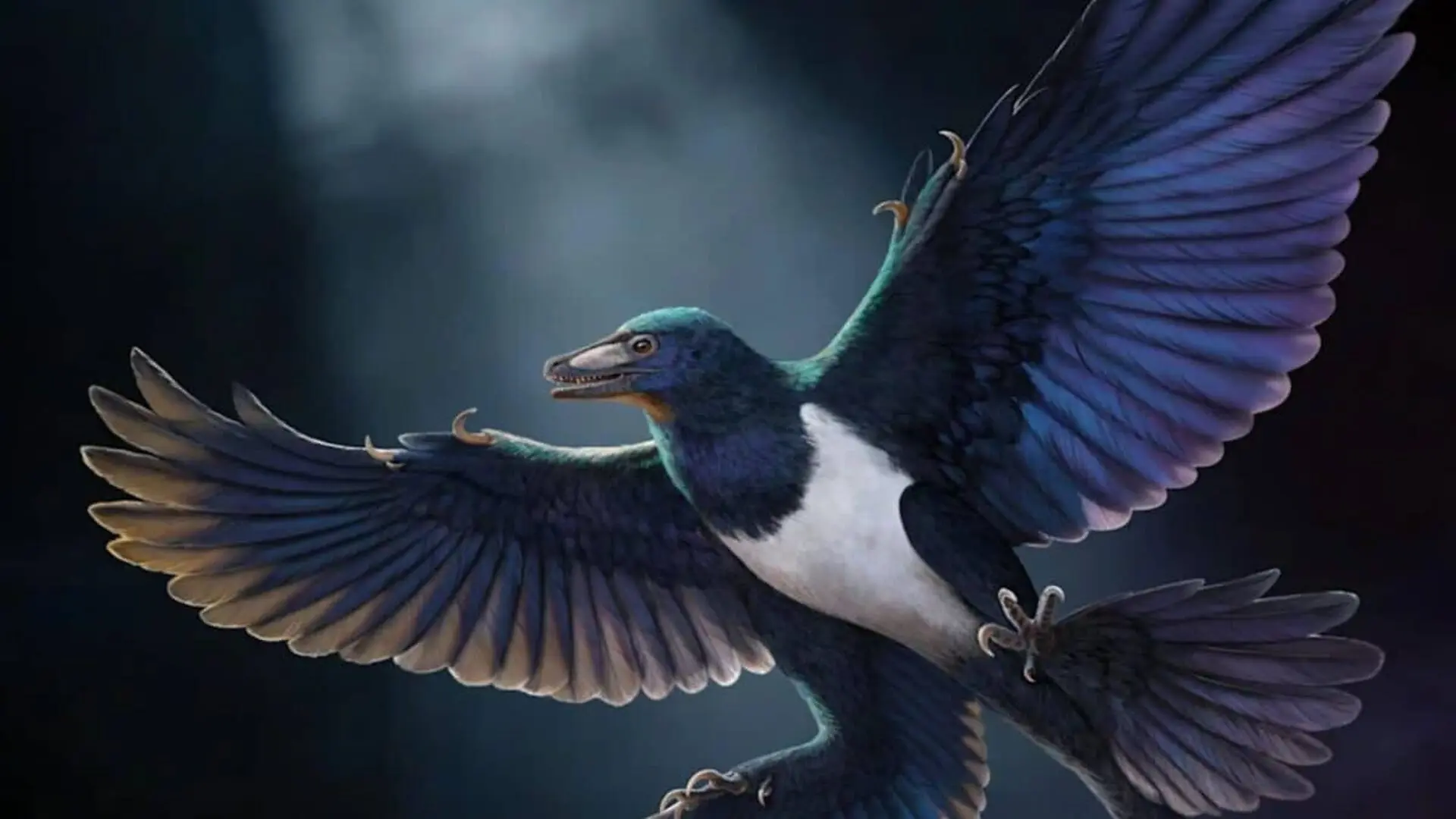
A newly discovered, exceptionally well-preserved fossil from northeastern China is providing compelling evidence that the ability to take flight may have emerged independently in multiple dinosaur lineages. The species, named Norellraptor barsboldi, is a tiny, four-winged predator that challenges the traditional understanding of how avian traits evolved. The discovery was published Tuesday in Nature Communications.
While the presence of feathers on dinosaurs is no longer a groundbreaking revelation—fossil records have long confirmed that creatures like Archaeopteryx were feathered as far back as 150 million years ago—the evolutionary path to flight remains a point of contention. The key question researchers have faced is whether flight was a singular innovation inherited from a common ancestor or if features like wings and complex plumage were solutions that evolved separately in different groups. The description of N. barsboldi, led by Andrea Cau of the OPHIS Paleontological Museum and Herpetological Center, suggests the latter: flight likely originated through multiple, distinct evolutionary pathways.
An Agile Predator in the Early Cretaceous
The N. barsboldi specimen was recovered from the Jiufotang Formation, a fossil-rich site dating back 145 to 100 million years. At the time of its death, the dinosaur was only three years old and measured just 21 inches (57 centimeters) in length. With its sharp, curved teeth and specialized claws, it was clearly a tactical hunter.
According to Scott Hartman, a vertebrate paleontologist at the University of Wisconsin-Madison who was not involved in the research, the animal occupied a niche as a generalist predator. It likely preyed on small vertebrates such as lizards, amphibians, and early mammals, as well as juvenile dinosaurs. Addressing the scale of its diet, Hartman remarked, “It wouldn’t have been attacking any large dinosaurs. That would be like mosquitoes attacking battleships.”
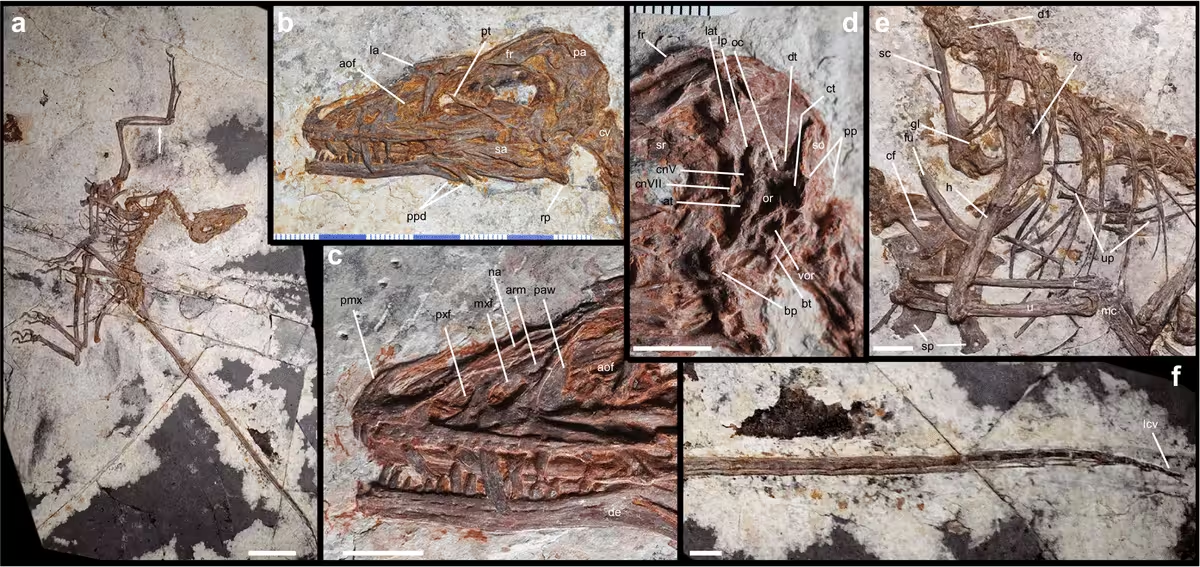
Convergent Evolution of Avian Characteristics
Cau’s team performed a detailed comparative analysis, identifying 194 distinct anatomical changes that occurred during the evolution of microraptors. Remarkably, roughly 30% of these changes are shared with the lineage that eventually led to modern birds. These shared traits include a rigid torso formed by fused bony rib projections, robust forelimbs, and a specific bone structure where the ulna—the primary wing bone—is longer than the humerus.
However, the sequence in which these traits appeared differs significantly between the two groups. Rui Pei, a paleontologist at the Chinese Academy of Sciences, noted that this distinct order of acquisition indicates that microraptors and true birds reached similar functional outcomes through different evolutionary trajectories. This pattern of convergence reinforces the theory that flapping flight developed independently in non-avialan dinosaurs.
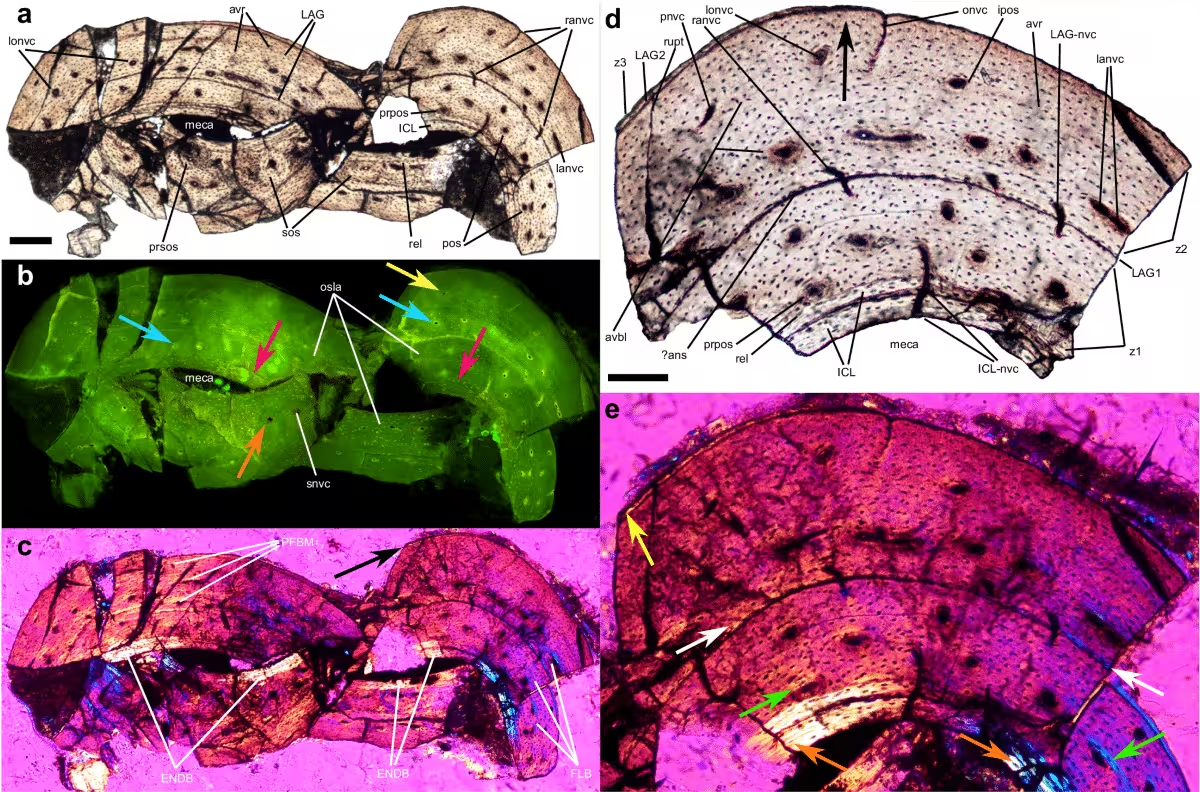
Mechanics of Movement
While the four-winged nature of the animal is distinct, researchers believe its movement was likely a hybrid of gliding and flapping. Rather than climbing trees, the creature likely gained speed by running down slopes or leaping from elevated terrain. A well-developed, ossified breastbone suggests the animal possessed the musculature required for a strong downstroke, providing the necessary thrust for powered movement.
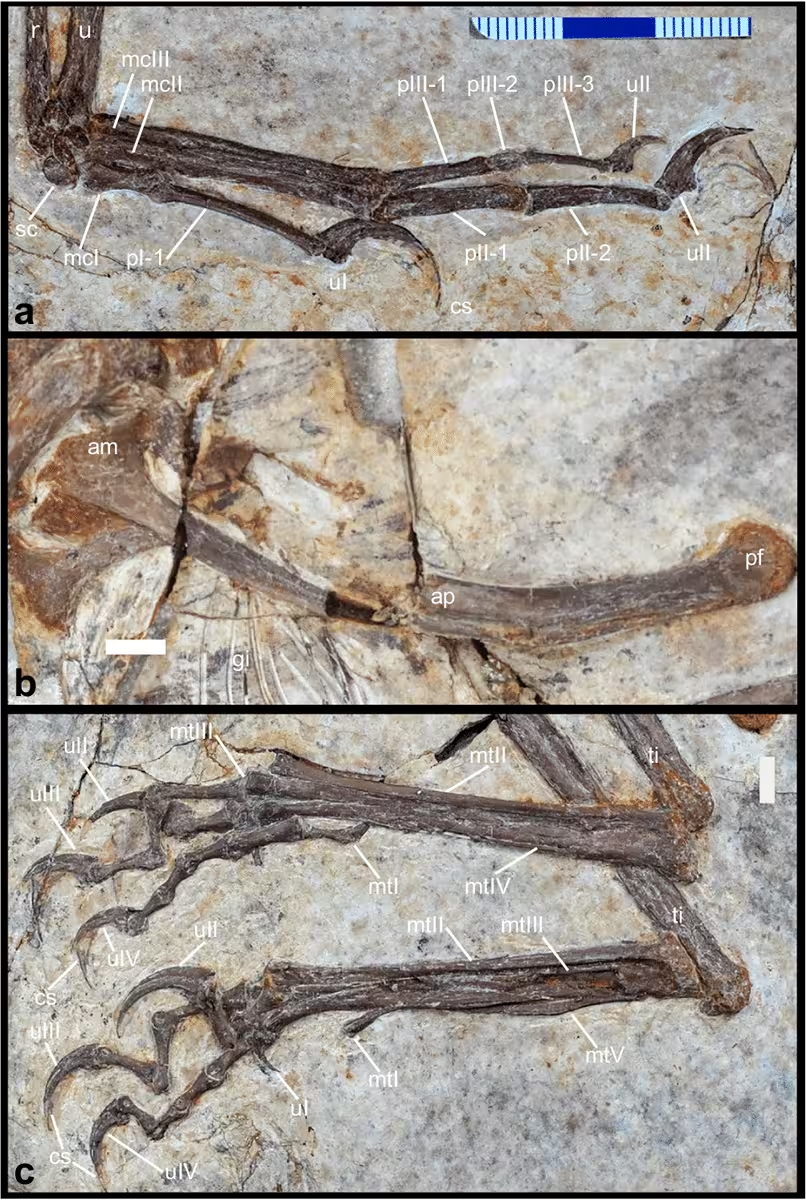
Hartman suggests that the hind wings played a crucial role in stabilization and maneuverability, allowing the predator to brake suddenly or execute sharp turns during a strike. Beyond aerial locomotion, these specialized wings may have served secondary functions, such as attracting mates or providing warmth during nesting, behaviors that echo those seen in modern avian species.
This article has been fact checked for accuracy, with information verified against reputable sources. Learn more about us and our editorial process.
Last reviewed on .
Article history
- Latest version
Reference(s)
- Wang, Xuri. “Independent assembly of the flight apparatus in a non-avian dinosaur clade - Nature Communications.”, vol. 17, no. 1, September 29, 2026, pp. 10074 Nature, doi: 10.1038/s41467-026-77804-6. <https://www.nature.com/articles/s41467-026-77804-6>.
Cite this page:
- Posted by David Anderson