Immune Defense Genes Control Sleep and Brain Plasticity in Fruit Flies
Mutations in antimicrobial peptide genes severely reduce sleep in Drosophila, yet specific deletions surprisingly preserve normal learning and memory.
Mutations in genes that produce antimicrobial peptides, which are small defense molecules typically deployed to fight infections, dramatically alter sleep patterns and cognitive plasticity in the common fruit fly Drosophila melanogaster, according to a study published in PLOS Genetics. The research reveals that these immune effectors act inside brain support cells to control daily rest cycles, shedding light on the deep evolutionary ties between immunity and the nervous system.
How Defenses Shape Daily Rest
For decades, scientists have known that getting sick makes animals sleepy, and that lack of sleep wrecks the immune system. In mammals, immune signaling molecules called cytokines such as Tumor Necrosis Factor alpha and Interleukin-1 beta promote deep sleep. Researchers led by a team at Ashoka University wanted to understand if antimicrobial peptides, the frontline defense molecules released into the blood-like fluid of insects during infections, also double as sleep regulators.
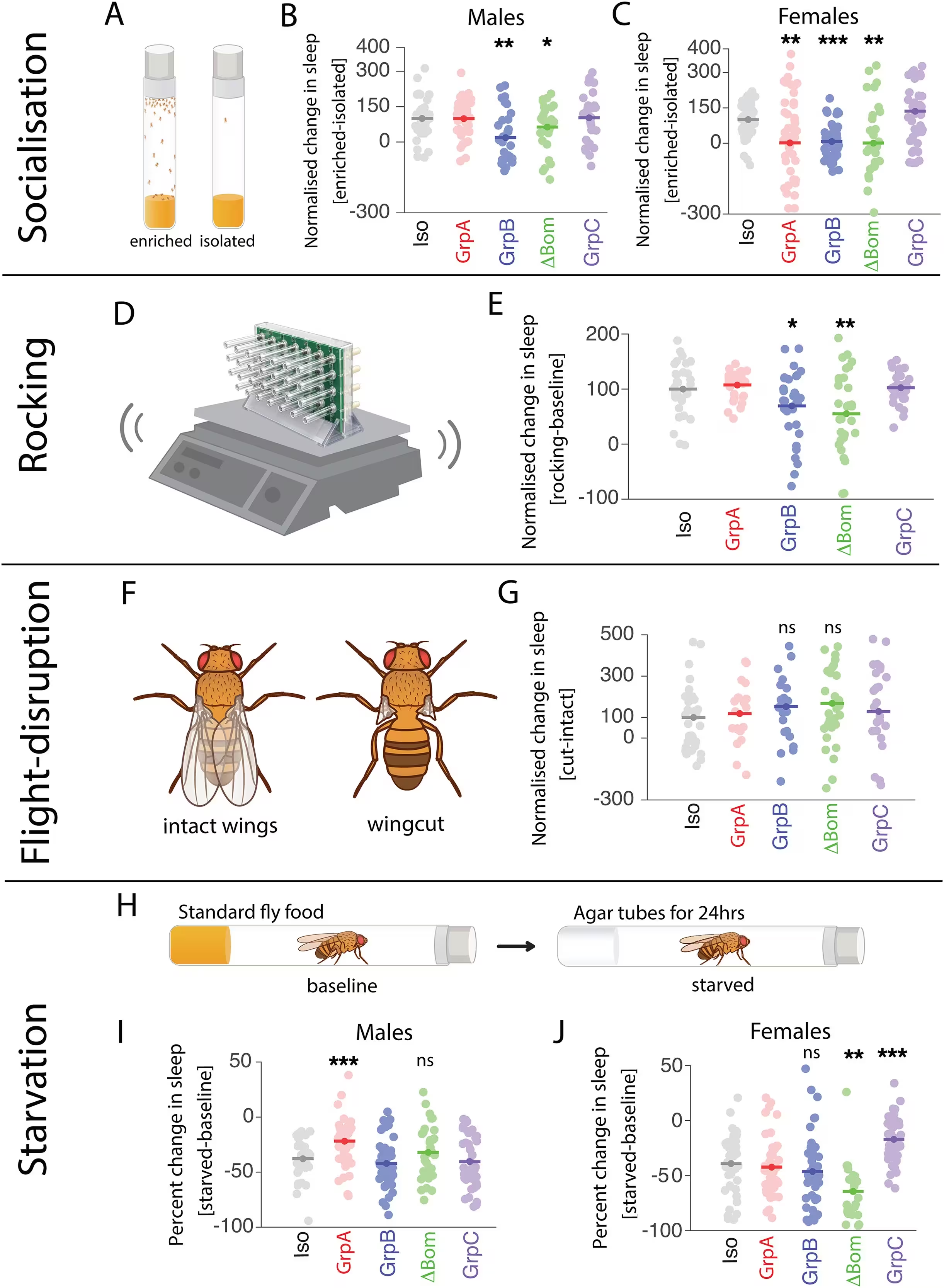
To test this idea, the authors examined genetic deletion mutants across various classes of antimicrobial peptides, including Group A, Group B, Bomanins, and Group C. They monitored baseline sleep using automated tracking systems over multiple days. Nearly all of the mutant lines slept significantly less than normal control flies, showing delayed sleep onset, fragmented nighttime rest, and lower thresholds for arousal.
The Mystery of Group C Mutants
The most dramatic changes appeared in Group C mutants, which lack two specific antifungal peptide genes named Metchnikowin and Drosomycin. These flies suffered the most severe sleep loss, yet they displayed a surprising twist in brain plasticity and cognitive function. While sleep loss normally destroys short-term memory and causes cellular stress, Group C mutants completely retained normal learning and memory performance.
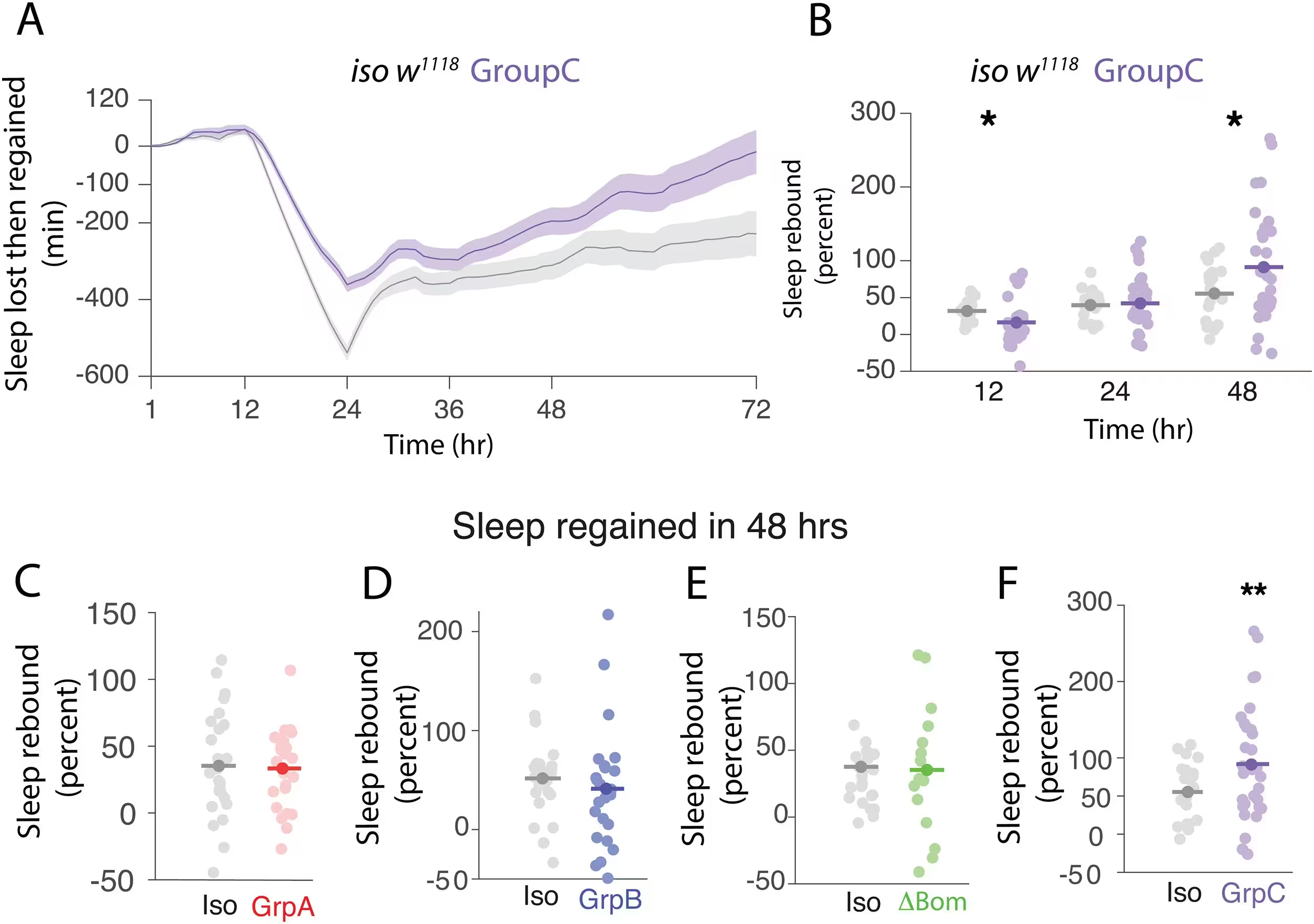
When the investigators examined brain tissue under a confocal microscope using an antibody against the presynaptic protein Bruchpilot to measure synapse abundance, they found another surprise. Sleep deprivation typically increases synapse numbers, but the brains of Group C mutants displayed lower synapse abundance despite sleeping the least. Furthermore, these flies exhibited an exaggerated sleep rebound after sleep deprivation, recovering roughly 91 percent of lost sleep compared to about 50 percent in normal control flies.
Where Do Defense Molecules Control Sleep
To pinpoint where these genes exert their influence, the researchers used targeted genetic knockdown experiments. Eliminating gut bacteria through axenic rearing had no effect on sleep phenotypes, ruling out microbiome dysregulation. Instead, when the authors knocked down Metchnikowin and Drosomycin specifically in glial cells, which are non-neuronal support cells in the brain, they successfully replicated the entire suite of Group C sleep defects and exaggerated rebounds.
Conversely, restoring the expression of Drosomycin in glial cells successfully rescued normal sleep parameters in mutant flies. Additional experiments showed that enhancing sleep in other sleep-deficient mutants, such as Bomanin mutants, either through pharmacological feeding with the medication Gaboxadol or through behavioral sleep opportunity restriction, successfully restored impaired learning and memory.
Broader Context and Limitations
The findings point to a complex evolutionary sharing of functions, where genes originally evolved for host defense are co-opted to modulate neural circuits. The authors note that while their work establishes a clear link between antimicrobial peptides and sleep homeostasis in flies, translating these insights to mammalian systems requires caution given the anatomical differences in immune and nervous architectures. Future investigations focusing on single-gene contributions will further clarify how these ancient defense molecules maintain cognitive health despite chronic sleep disruption.
The research was published in PLOS Genetics on November 13, 2026.
This article has been fact checked for accuracy, with information verified against reputable sources. Learn more about us and our editorial process.
Last reviewed on .
Article history
- Latest version
Reference(s)
- Kumar, Rahul., et al. “Mutations in antimicrobial peptides differently affect sleep and plasticity.” PLOS Genetics, vol. 22, no. 11, November 13, 2026, pp. e1012363 Public Library of Science (PLoS), doi: 10.1371/journal.pgen.1012363. <https://doi.org/10.1371/journal.pgen.1012363>.
Cite this page:
- Posted by Faisal Qureshi