Synthetic Quinoline Compounds Halt Division in Drug-Resistant Cancers
Engineered molecules lock onto the colchicine-binding site of tubulin, collapsing cellular highways and driving cancer cells into apoptosis.

A new class of synthetic compounds built from quinoline scaffolds halts aggressive cancer cell division by locking onto a critical protein target inside human cells. The research, published in ACS Omega, details how these engineered molecules disrupt the cellular skeleton to trigger programmed cell death in melanoma and breast cancer models.
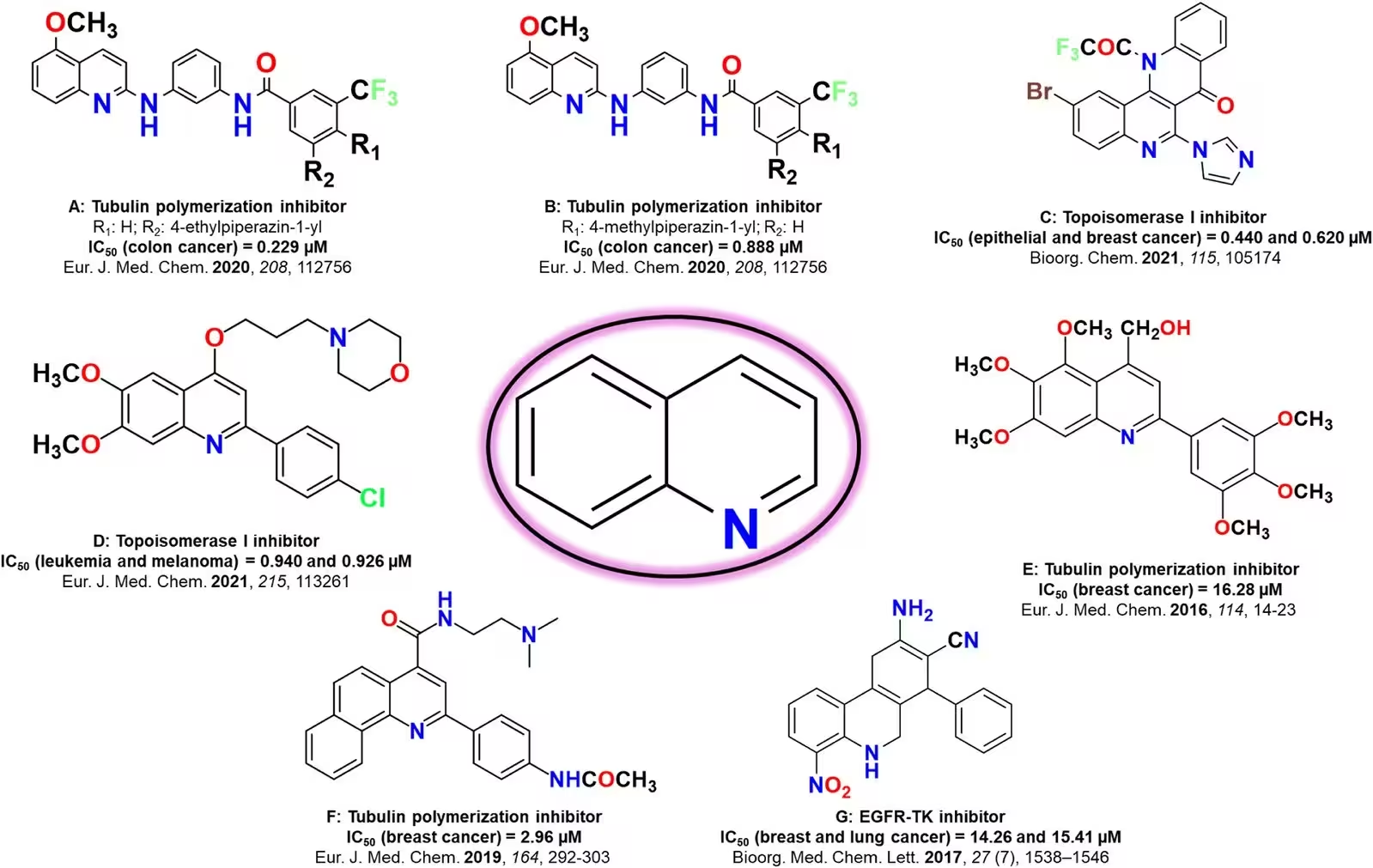
Microtubules act as microscopic highways and structural girders inside living cells, pulling chromosomes apart during division. While traditional chemotherapy drugs like paclitaxel target these networks, long-term use often fails because tumors develop drug resistance. Researchers are therefore hunting for molecules that bind to a specific region on tubulin known as the colchicine-binding site, which can bypass standard drug resistance mechanisms.
How Pyrroloquinolines Block Cell Division
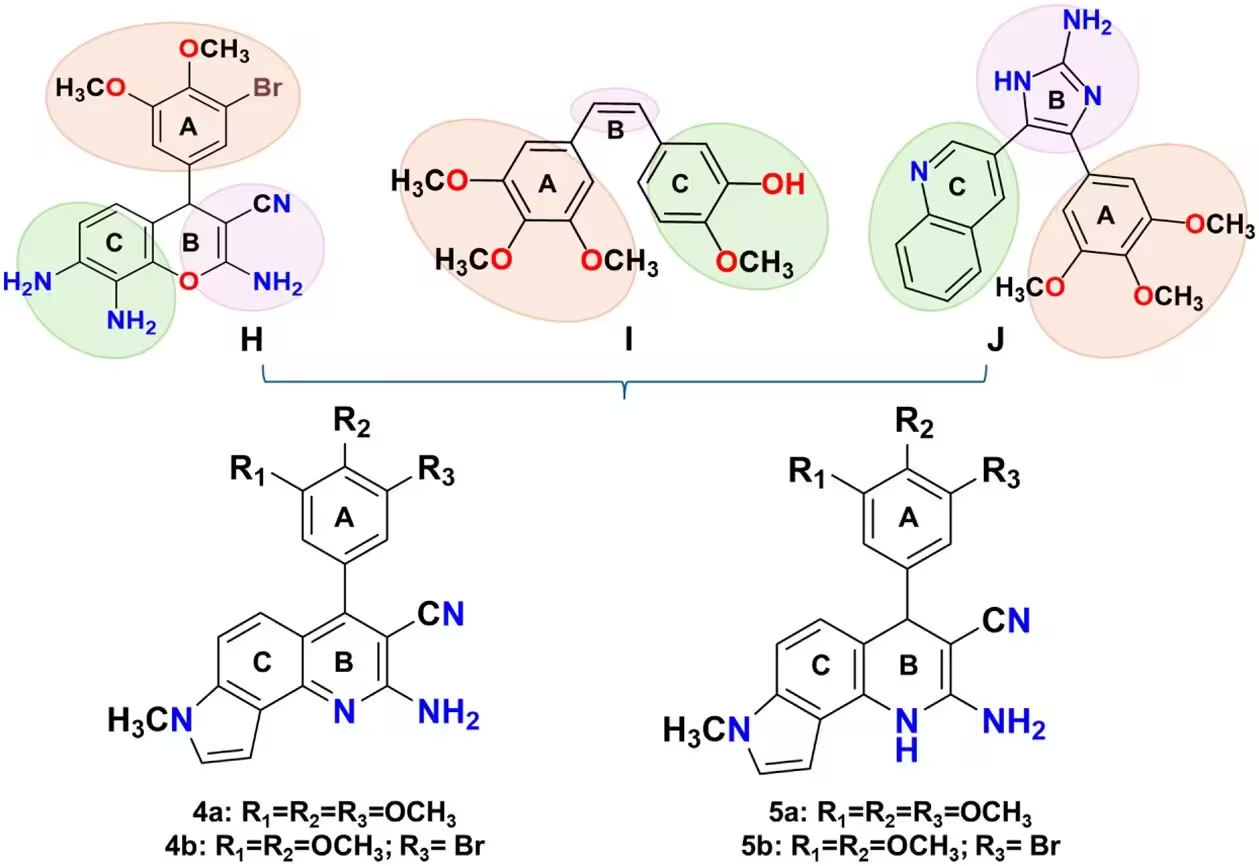
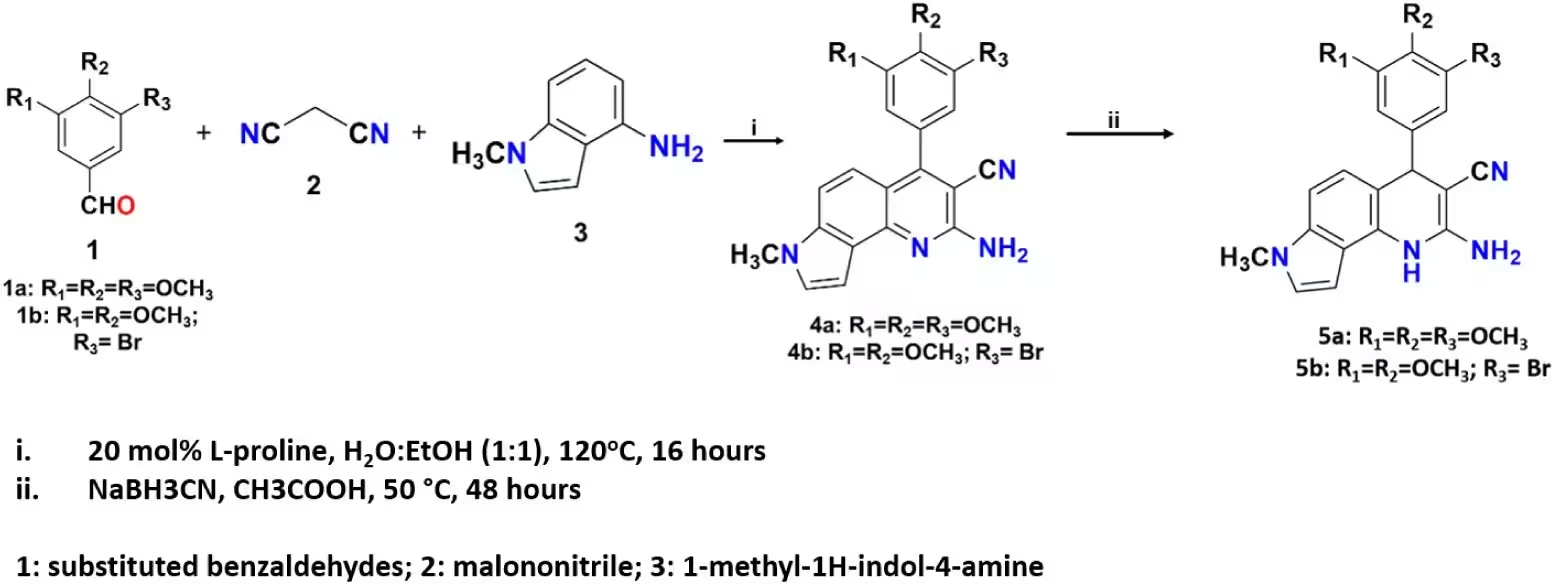
A multi-institutional team of scientists designed and synthesized two distinct series of heterocyclic compounds known as pyrroloquinolines and pyrrolodihydroquinolines. Using advanced computer modeling and molecular docking simulations, the team engineered these molecules to match the shape and electrical charge of the colchicine-binding pocket. When tested in the laboratory against human cancer cells, the lead compounds demonstrated remarkable potency.
Among the tested molecules, a compound designated as 4a showed high toxicity against primary human melanoma cells, with an inhibitory concentration value of approximately 90 nanomolar. A second compound, designated as 5b, achieved a similar potency of about 100 nanomolar. Both substances successfully competed with a chemical probe designed to target the colchicine site, confirming that they shut down cancer cell growth by latching onto the intended protein target.
Inside the Molecular Action of Compound 5b
Further cellular tests revealed that compound 5b acts as a powerful antimitotic agent, meaning it freezes cells mid-division. When researchers treated A375 melanoma cells with 5b for 24 hours, the cells accumulated high levels of a specific mitotic marker protein called phosphorylated histone 3. Flow cytometry analysis showed that roughly 50 percent of the treated cells became trapped in the growth and mitosis phase of the cell cycle.
Microscopic imaging further showed that compound 5b causes the internal alpha-tubulin network to collapse and compact around the cell nucleus, much like paclitaxel does. This structural disruption prevented the cancer cells from forming colonies in laboratory assays, dropping cell viability significantly at concentrations around 100 nanomolar.
What Happens When Compound 4a Engages Cancer Cells
Compound 4a displayed consistent cytotoxic activity across a broader panel of cancer cell lines, including metastatic melanoma and triple-negative breast carcinoma. When applied to breast cancer cells, compound 4a trapped the majority of cells in the mitotic phase while also driving some cells into a state of polyploidy, where cells contain extra sets of chromosomes after failing to complete division.
Additional biochemical analysis showed that compound 4a triggers DNA damage responses and activates caspase proteins, which dismantle the cell from within. Wound-healing migration assays demonstrated that both lead compounds slowed down cancer cell movement, reducing migration speeds by more than half at their highest tested doses.
Limitations and Future Optimization Steps
While the laboratory results point to strong therapeutic potential, the study relies entirely on in vitro assays and computer simulations. The authors noted that compound 5b exists as a racemic mixture, meaning it contains two mirror-image forms with differing binding stabilities. Computer modeling and molecular dynamics simulations spanning hundreds of nanoseconds revealed that the right-handed enantiomer fits snugly into the tubulin pocket, while the left-handed version displays reduced stability.
Future development will require chiral resolution to isolate the most active molecular forms and animal testing to evaluate safety and pharmacokinetics. These findings provide a solid chemical foundation for designing advanced microtubule-targeting drugs capable of tackling drug-resistant tumors.
The research was published in ACS omega on November 10, 2026.
This article has been fact checked for accuracy, with information verified against reputable sources. Learn more about us and our editorial process.
Last reviewed on .
Article history
- Latest version
Reference(s)
- Garain, Tanya., et al. “A Pyrroloquinoline-Based Colchicine-Binding Site Inhibitor Drives Mitotic Arrest and Caspase-Dependent Apoptosis.” ACS Omega, vol. 11, no. 44, October 29, 2026, pp. 68771-68790. American Chemical Society (ACS), doi: 10.1021/acsomega.6c07991. <https://doi.org/10.1021/acsomega.6c07991>.
Cite this page:
- Posted by Raj Joshi