Air Pollution Triggers Sudden Surge in Cancer Deaths and Life Loss
An eight-year analysis in Shanghai reveals that brief spikes in common airborne toxins disproportionately rob younger residents and active adults of decades of life.
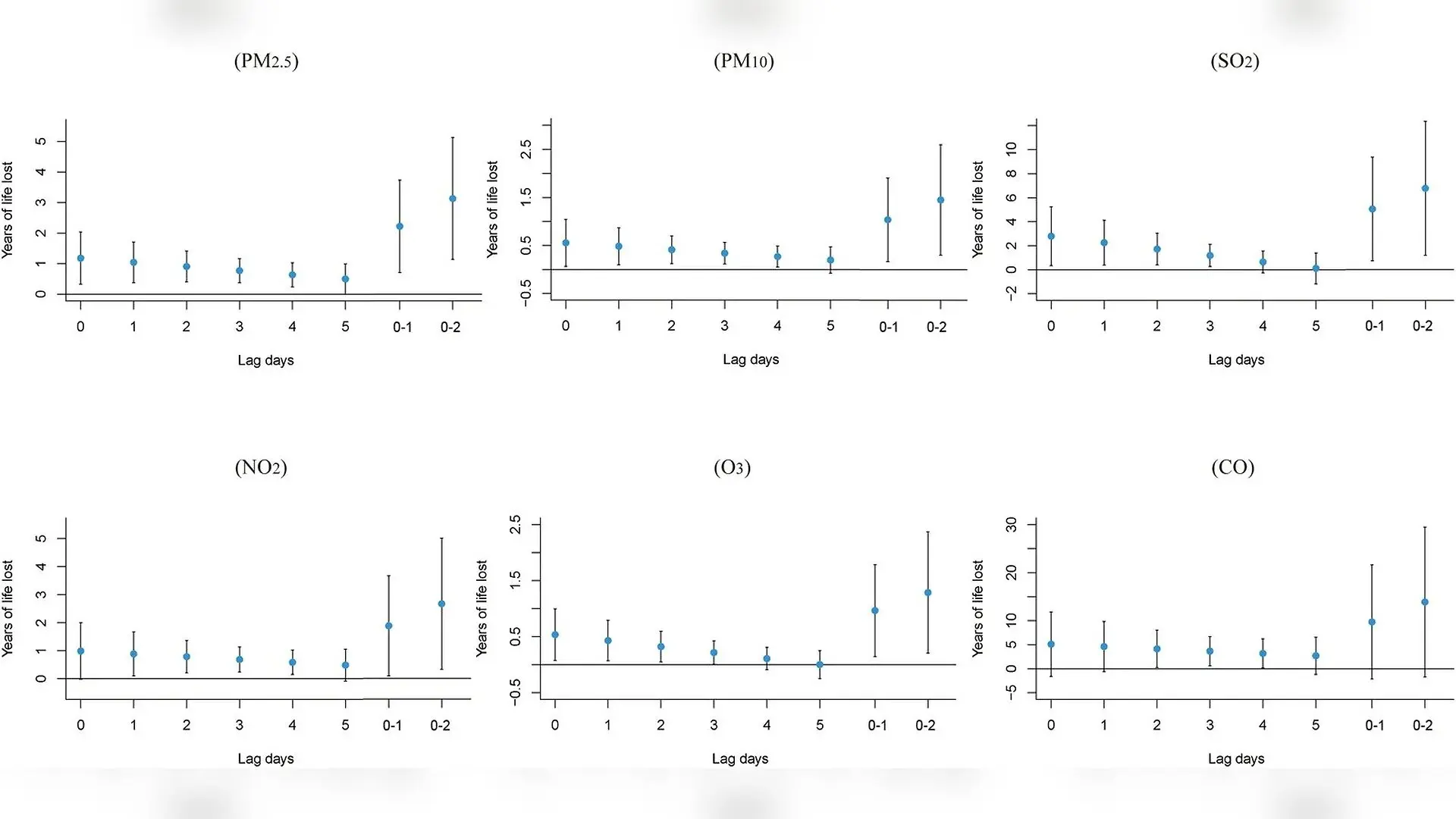
Short-term spikes in everyday air pollution drive up cancer deaths and drain years of healthy life in the densely populated Pudong New Area of Shanghai. By tracking daily health records over an eight-year span from 2013 to 2021, researchers revealed that even brief exposure to common toxic airborne particles and gases triggers a measurable surge in premature cancer mortality.
While previous scientific investigations have established a solid link between dirty air and rising cancer death rates, they typically treated every death with equal weight. This oversight hides the true human cost of premature mortality, which robs younger individuals of decades of life. To capture this hidden burden, the research team published in PLoS One used a metric known as years of life lost, or YLLs, which assigns greater statistical weight to deaths occurring at younger ages to highlight health inequities and vulnerable populations.
How Breathing Polluted Air Steals Years of Life
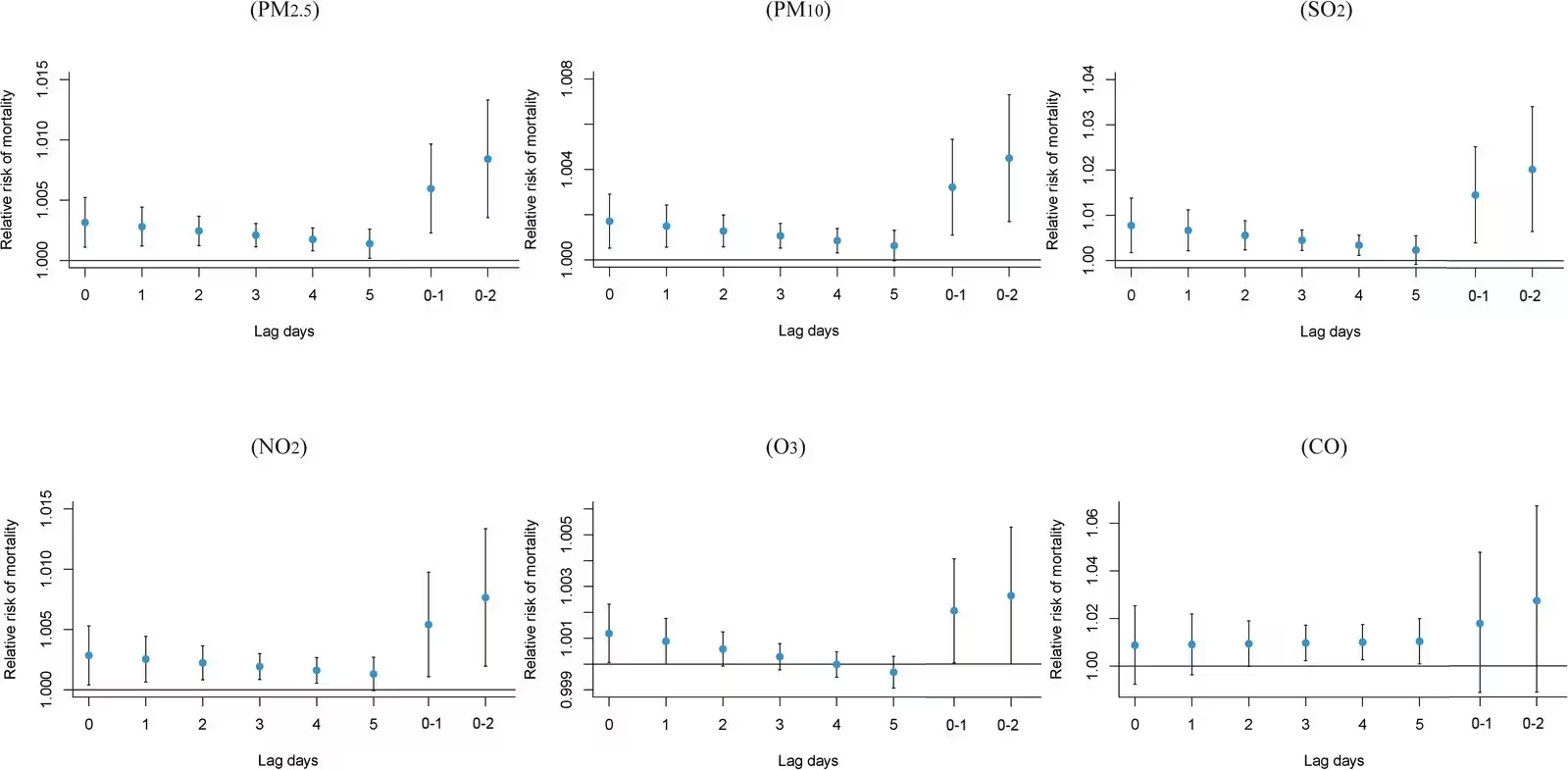
The study analyzed environmental data collected from a central monitoring station in Shanghai alongside vital statistics recording 65,002 cancer deaths during the study period. Investigators applied a sophisticated statistical framework called a distributed lag nonlinear model to evaluate how lag-specific exposure to fine particulate matter known as PM2.5, inhalable particulate matter known as PM10, sulfur dioxide, nitrogen dioxide, and ozone affected daily cancer mortality and years of life lost.
The findings indicated that for every 10 micrograms per cubic meter increase in fine particulate matter exposure, patients lost an average of 2.22 additional years of life on the following day or two. Similar increases in sulfur dioxide led to an even sharper spike, adding 5.05 years of life lost per 10 micrograms per cubic meter increase. Nitrogen dioxide and ozone exposures also showed statistically significant increases in premature life loss, pointing to a widespread public health vulnerability across the urban district.
Why Men and Younger Residents Face Higher Risks
When the authors broke down the data by demographic groups, surprising patterns emerged regarding who bore the heaviest burden. Men, younger populations under the age of 75, and individuals with higher education levels experienced more pronounced impacts from short-term pollution exposure than older adults or less-educated cohorts.
Could Active Lifestyles Increase Pollution Exposure?
The heightened risk observed in highly educated and younger residents initially seemed counterintuitive, but researchers pointed to behavioral factors for a potential explanation. People with higher education levels often place greater emphasis on healthy outdoor routines like running and cycling. Exercising outdoors near busy roadways causes individuals to breathe faster and deeper, pulling higher volumes of vehicle exhaust fumes and toxic particulate matter directly into their respiratory tracts.
Furthermore, men in the region may face higher cumulative risks due to occupational exposure in industrial sectors like construction or mining, alongside higher regional rates of tobacco and alcohol use. These lifestyle and occupational factors can compound the inflammatory and oxidative damage caused by breathing polluted city air.
Understanding the Limits of the Study
The authors noted several important limitations to keep in mind when interpreting these results. Because the team relied on data from a single fixed monitoring station rather than personal wearable sensors, some degree of exposure misclassification was inevitable, though this typically leads to a conservative underestimation of true health risks rather than an exaggeration.
Additionally, because the investigation was structured as an ecological time series study based entirely in Shanghai, the findings cannot establish direct causality or be directly generalized to rural areas or entirely different global climates. Nevertheless, the work demonstrates that tracking years of life lost provides an essential strategic tool for public health officials seeking to extend healthy human lives rather than merely counting final deaths.
The research was published in PloS one on January 1, 2026.
This article has been fact checked for accuracy, with information verified against reputable sources. Learn more about us and our editorial process.
Last reviewed on .
Article history
- Latest version
Reference(s)
- Zhong, Xing., et al. “The short-term impact of ambient air pollution on years of life lost from cancer in Pudong New Area, Shanghai: A time series study.” PLOS One, vol. 21, no. 10, October 27, 2026, pp. e0360049 Public Library of Science (PLoS), doi: 10.1371/journal.pone.0360049. <https://doi.org/10.1371/journal.pone.0360049>.
Cite this page:
- Posted by Raj Joshi