Irish Teenagers Reject Sustainable Diets Due to Meat Habits and Cooking Skills
New research reveals barriers outnumber facilitators four to one, as teens cite peer pressure, unaccommodating school canteens, and a lack of plant-protein knowledge.
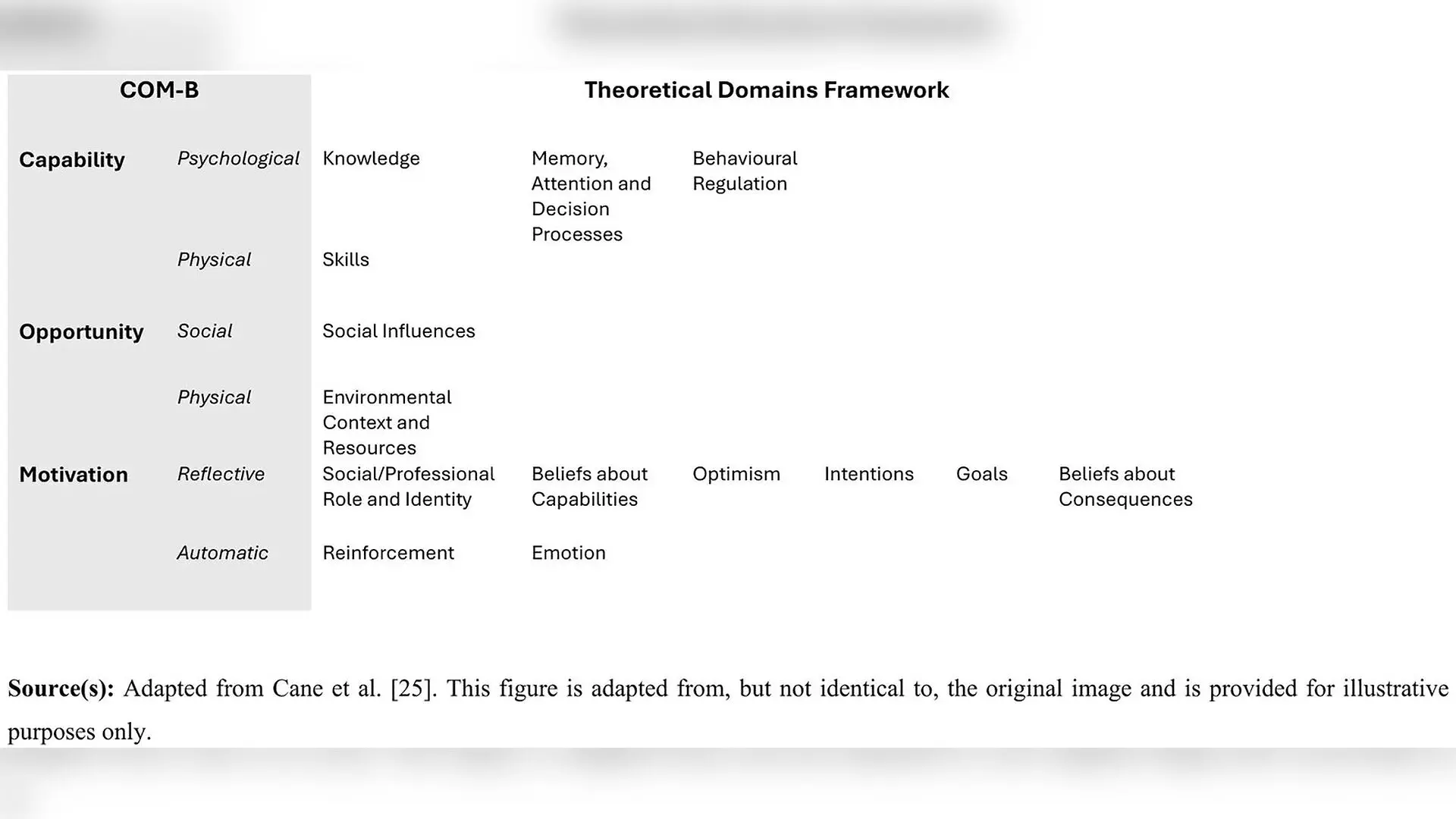
Teenagers in Ireland overwhelmingly resist shifting to eco-friendly plates, with barriers outnumbering supportive factors by more than four to one according to recent qualitative data. Researchers investigating food choices found that 48 participants aged 15 to 17 faced severe knowledge gaps, limited cooking skills, and deep cultural attachments to meat that blocked them from embracing sustainable eating habits. The study, published in PLoS One, highlights the massive hurdles public health campaigns face in transforming adolescent diets to protect the planet.
What Teenagers Actually Know About Sustainable Diets
During seven semi-structured focus groups across four sites between April and May 2025, investigators uncovered widespread unfamiliarity with eco-friendly nutrition. Most teenagers had never encountered the term sustainable diet before the sessions began. When asked to define it, participants often guessed it meant keeping regular food habits maintainable rather than reducing environmental impact. Furthermore, many students could not identify plant-based proteins, with one participant admitting surprise that beans contain protein.
The study utilized the Theoretical Domains Framework and the Capability, Opportunity, Motivation Model of Behaviour to categorize 44 distinct codes. Researchers identified 33 barriers compared to just 8 facilitators. Psychological capability gaps, such as a lack of awareness regarding cattle production emissions, proved to be major stumbling blocks. While some students acknowledged that animal agriculture generates greenhouse gases, their understanding remained superficial and lacked specific scientific details.
Why Cultural Food Norms and School Canteens Block Change
Social and physical environment factors also severely restricted sustainable food choices. Teens reported that household meals are entirely controlled by parents who rely on traditional meat and dairy dishes. Additionally, school canteens offered unaccommodating options that lacked salads or vegetable-heavy dishes, focusing instead on animal proteins. Social pressure acted as another deterrent, with participants noting that carrying a large salad to school risked peer ridicule and being labeled as a rabbit.
Cultural attachment to meat and starch emerged as a central pillar of resistance. Participants explained that their daily meals revolve around animal proteins like beef and chicken, making alternative plant sources feel foreign. Preparation hurdles also discouraged students, who viewed chopping vegetables and boiling pulses as far less convenient than throwing pre-packaged meat into an oven or buying an after-school takeaway.
Can Personal Health Outweigh Environmental Concerns
Despite widespread reluctance and a general lack of intention to change diets, researchers noted a few silver linings. The most prominent facilitator was the recognition that sustainable foods can improve personal well-being, skin health, and weight management. Students responded more favorably to nutritional benefits than to abstract planetary goals. However, after viewing standard sustainable plate models featuring large quantities of vegetables and plant proteins, most teenagers expressed shock and strong opposition to following such a restrictive routine.
The authors concluded that food literacy programs and structured behavioral intervention frameworks are urgently needed to redesign school environments and make sustainable options more accessible. Without targeted policy changes and educational support, the generational transition toward environmentally friendly diets remains stalled among Irish adolescents.
The research was published in PloS one on January 1, 2026.
This article has been fact checked for accuracy, with information verified against reputable sources. Learn more about us and our editorial process.
Last reviewed on .
Article history
- Latest version
Reference(s)
- Dupuits, Connor., et al. “A qualitative study of the barriers and facilitators to adopting a sustainable diet among adolescents in Ireland.” PLOS One, vol. 21, no. 10, October 27, 2026, pp. e0361509 Public Library of Science (PLoS), doi: 10.1371/journal.pone.0361509. <https://doi.org/10.1371/journal.pone.0361509>.
Cite this page:
- Posted by Raj Joshi