Soilless Farming Transforms Medicinal Plant Production Through Advanced Technology
New research reviews how hydroponics, LED lighting, and gene editing optimize medicinal plant growth and phytochemical yields.
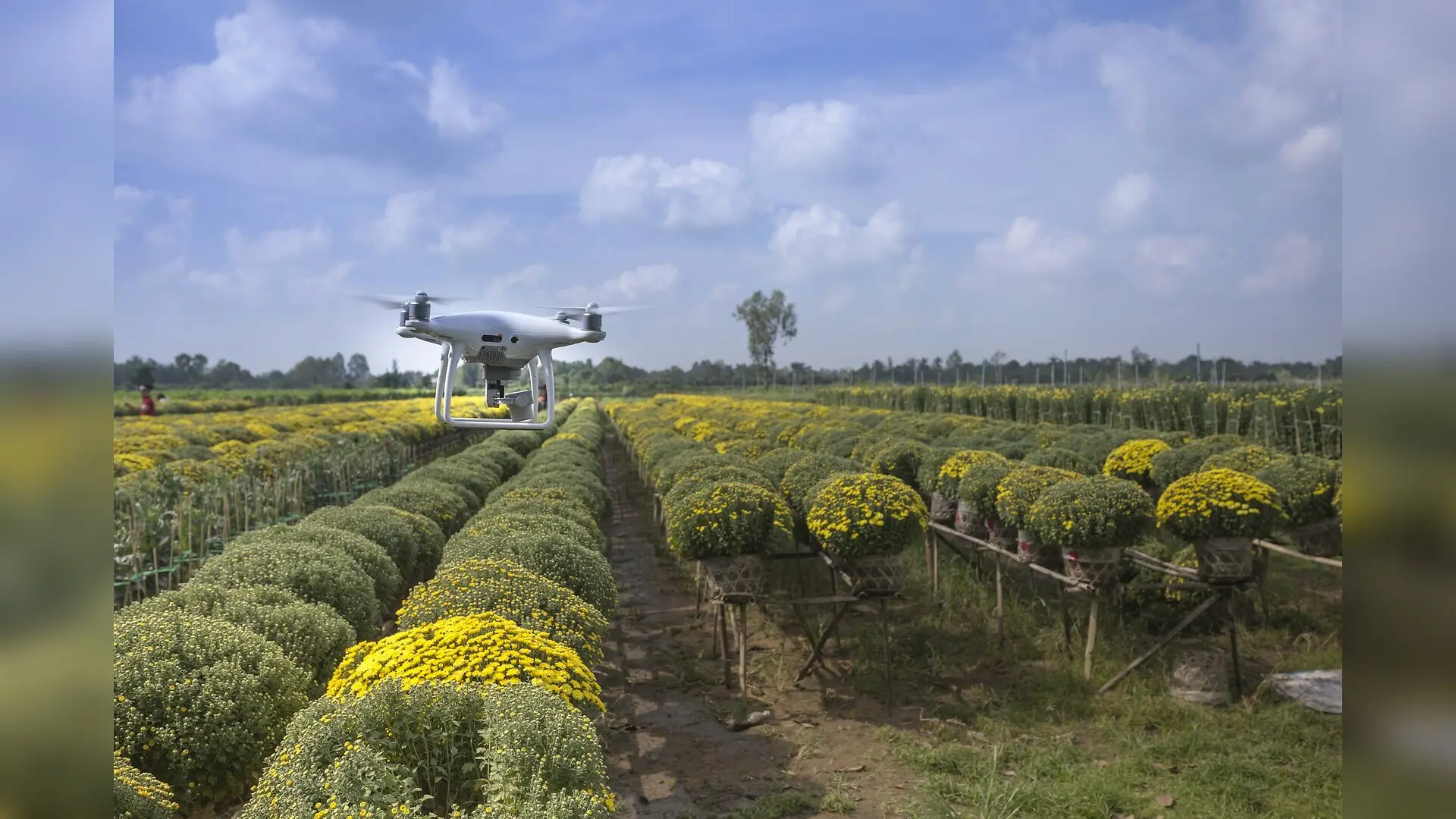
Controlled environment agriculture and soilless cultivation techniques are transforming how valuable medicinal plants and crops are produced without traditional soil constraints. Traditional soil-based agriculture often struggles with high costs, soil particle accumulation, toxic heavy metals, and microbiological contamination, prompting researchers to seek alternative methods. Modern systems like hydroponics and aeroponics allow precise management of water, nutrients, and environmental conditions to boost both biomass and medicinal phytochemical yields.
A comprehensive analysis published in Frontiers in Plant Science by Kumar and colleagues examines how advanced soilless strategies optimize the synthesis of active plant compounds. The review brings together recent findings on nutrient solution chemistry, light spectra adjustments, microbial biostimulants, and genome editing tools designed to make urban and vertical farming much more efficient.
How Nutrient Chemistry and Electrical Conductivity Shape Plant Growth
Managing the nutrient solution is one of the most critical factors in any soilless system. The ratio of nitrate to ammonium ions, overall electrical conductivity, pH levels, and root zone temperature directly dictate how well plants absorb essential minerals. For instance, research shows that adjusting the nitrogen form can significantly improve antioxidant capacity and secondary metabolite accumulation in species like Echinacea purpurea.
Maintaining the proper pH level between 5.5 and 6.5 ensures that minerals remain soluble and accessible to plant roots. If the pH drops too low or rises too high, key elements like iron, phosphorus, and calcium can precipitate or become locked out, stunting growth. Similarly, keeping dissolved oxygen levels high prevents root suffocation and maintains healthy cellular respiration in closed-loop water recirculation systems.
Can Custom Light Recipes Boost Medicinal Compound Production?
Indoor vertical farms rely entirely on artificial lighting, giving growers unprecedented control over light quality and intensity. Light-emitting diodes allow farmers to target specific plant photoreceptors using exact combinations of blue, red, green, and far-red wavelengths. These light signals trigger downstream biochemical pathways that govern the production of valuable specialized metabolites like flavonoids, terpenoids, and alkaloids.
Studies highlighted in the review demonstrate that specific light recipes can drastically increase active ingredients in medicinal herbs. For instance, adjusting red and blue light ratios successfully enhanced artemisinin production in Artemisia annua and increased hypericin levels in Hypericum perforatum. By fine-tuning lighting alongside nutrient delivery, growers can steer plant metabolism toward targeted therapeutic compounds.
What Role Do Microbes and Nanoparticles Play in Modern Systems?
Integrating beneficial microorganisms into soilless setups creates a powerful biological partnership that helps plants resist environmental stress and absorb nutrients more efficiently. Plant growth-promoting microorganisms colonize root zones, fix nitrogen, solubilize phosphorus, and release hormones that stimulate root development. These microbes also trigger systemic resistance against potential pathogens without the need for toxic chemical pesticides.
At the same time, nanotechnology is emerging as a novel tool for elicitation and nutrient delivery. Engineered nanoparticles possess high surface areas and tunable properties that help prevent nutrient precipitation in liquid media. When applied in controlled doses, nanoparticles and biological elicitors such as methyl jasmonate act as mild stressors that stimulate plants to synthesize higher concentrations of protective antioxidants and phenolic compounds.
How Does CRISPR Technology Optimize Space in Vertical Farms?
While leafy greens and herbs fit easily into stacked vertical tiers, fruit-bearing and larger medicinal crops often require too much vertical clearance. To overcome this limitation, researchers are turning to precise genome editing techniques like CRISPR/Cas. By targeting genes involved in gibberellin biosynthesis and stem elongation, scientists can create compact, upright plant ideotypes that fit neatly into tight indoor spaces.
Recent trials with edited tomato and herb varieties show that compact structural mutations can drastically reduce spatial occupancy and shorten harvest cycles while increasing overall production efficiency. Combined with artificial intelligence, machine learning, and digital twin simulations, these technological leaps point toward fully automated, highly sustainable agricultural systems capable of meeting future pharmaceutical and food demands.
The research was published in Frontiers in plant science on October 27, 2026.
This article has been fact checked for accuracy, with information verified against reputable sources. Learn more about us and our editorial process.
Last reviewed on .
Article history
- Latest version
Cite this page:
- Posted by Raj Joshi