Discarded Solar Panels Are Being Converted Into Advanced Battery Anodes
Millions of tonnes of retired solar waste could soon power electric vehicles as scientists unlock methods to transform discarded silicon into high-capacity battery materials.
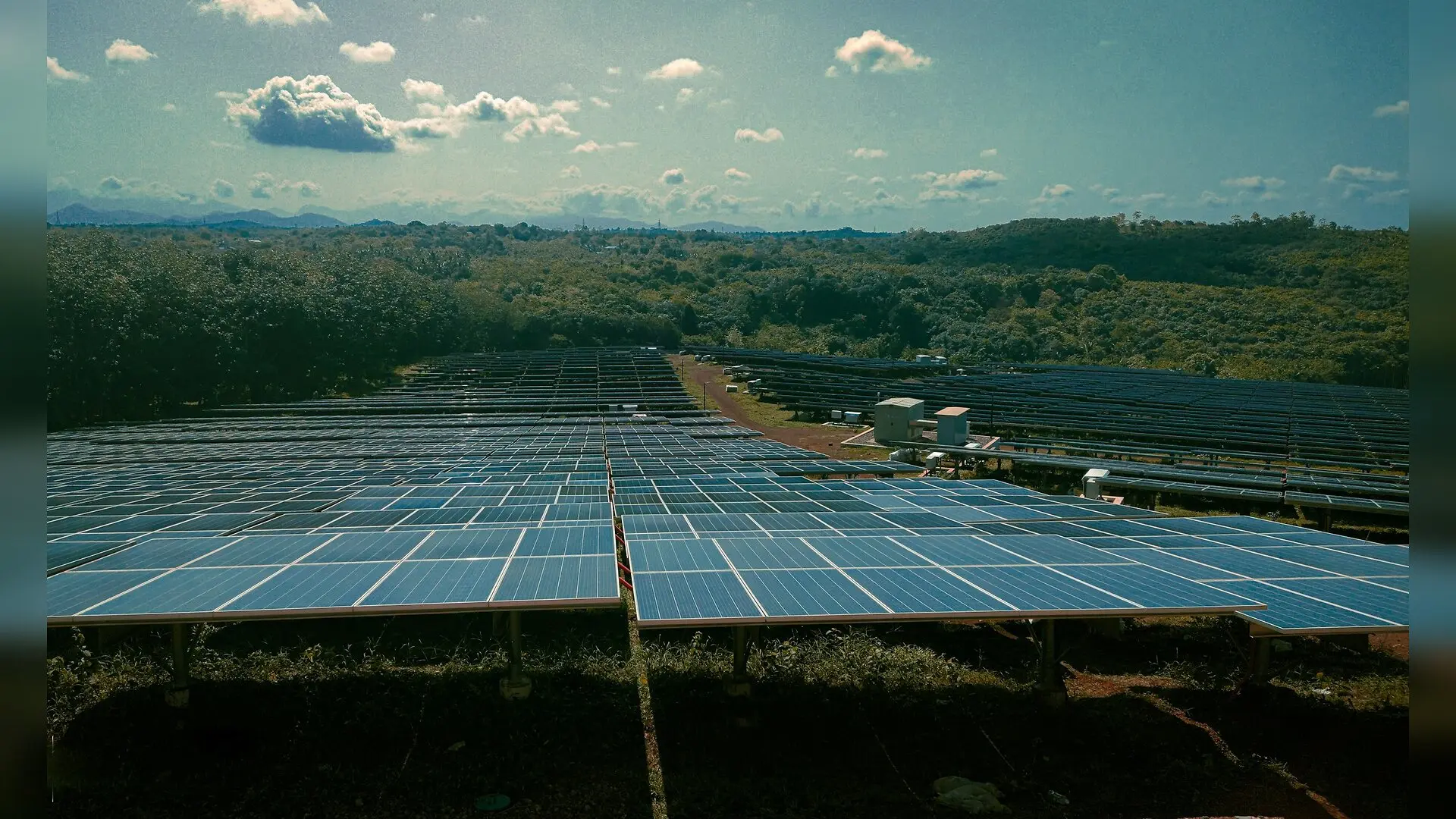
Millions of tonnes of solar panel waste are heading toward a global retirement wave, but scientists are turning this environmental hazard into a powerful asset for next-generation electric vehicle batteries. As solar energy systems installed during the early expansion era reach the end of their 25 to 30 year operational lifespans, projections show cumulative global photovoltaic waste could reach 78 million tonnes by 2050, with China alone generating over 19 million tonnes. Instead of sending these decommissioned panels to landfills where toxic heavy metals like lead and cadmium can leach into groundwater, researchers are pioneering chemical and thermal techniques to extract high-purity silicon from discarded solar wafers. This recycled silicon matches the strict structural requirements needed for lithium-ion battery anodes, offering a sustainable material source with a theoretical capacity roughly 10 times higher than traditional graphite. Detailed insights into these material pathways were published in Chem & bio engineering, outlining how cross-industry recycling can bridge clean energy generation and energy storage.
How Solar Waste Cleans Up Battery Anodes
Solar panel waste primarily contains glass, aluminum frames, copper ribbons, and high-purity silicon solar cells. Silicon kerf waste, generated when diamond wires slice silicon ingots into thin wafers, accounts for massive losses of microscale and submicron silicon particles that measure between 0.1 and 10 micrometers. Because these tiny particles already possess suitable sizes and layered structures, they bypass the expensive nanofabrication steps normally required to manufacture battery-grade silicon. However, raw solar waste contains complex contaminants such as organic cutting fluids, surface oxide layers, and metallic impurities including iron, aluminum, and silver. Without proper treatment, these impurities trigger internal short circuits, metal dendrite growth, and severe battery self-discharge during daily charge and discharge cycles.
Advanced Purification and Nanofabrication Techniques
To prepare solar silicon for energy storage, engineers rely on multi-step chemical cleaning and thermal processing. Treating silicon waste with hydrofluoric acid removes surface oxides, while specialized oxidizing mixtures decompose stubborn organic residues. Innovative strategies such as an etching-first and grinding-later approach prevent tough metals like aluminum and silver from cold-welding to the silicon during mechanical size reduction. Thermal treatment under reducing atmospheres then eliminates remaining carbon compounds while restoring smooth surfaces to the silicon debris. Once purified, advanced methods like sand milling, flash Joule heating, and molten salt electrolysis refine the particles into nanosheets or porous structures designed to cushion the severe volume expansion that silicon undergoes when absorbing lithium ions.
Overcoming Economic and Industrial Scaling Hurdles
Despite promising laboratory results, large-scale commercialization faces substantial economic and logistical barriers. Specialized dismantling and chemical purification require high energy inputs, making recycling costs significantly higher than traditional landfill disposal in regions lacking strict mandates. Furthermore, the volume of decommissioned solar panels has only recently started to climb, limiting the economies of scale needed for automated processing lines. Experts emphasize that future success depends on transitioning from policy-driven waste management to value-driven reclamation. By establishing distributed preprocessing facilities, incorporating extended producer responsibility frameworks, and designing modules specifically for disassembly, the clean energy sector can successfully transform discarded solar panels into high-performance battery materials.
The research was published in Chem & bio engineering on October 27, 2026.
This article has been fact checked for accuracy, with information verified against reputable sources. Learn more about us and our editorial process.
Last reviewed on .
Article history
- Latest version
Cite this page:
- Posted by Raj Joshi