Coconut Shell Carbon Transforms Into High Efficiency Dye Filter
Researchers combine agricultural waste biochar and zinc oxide inside a biodegradable plastic matrix to filter toxic textile dyes from water.
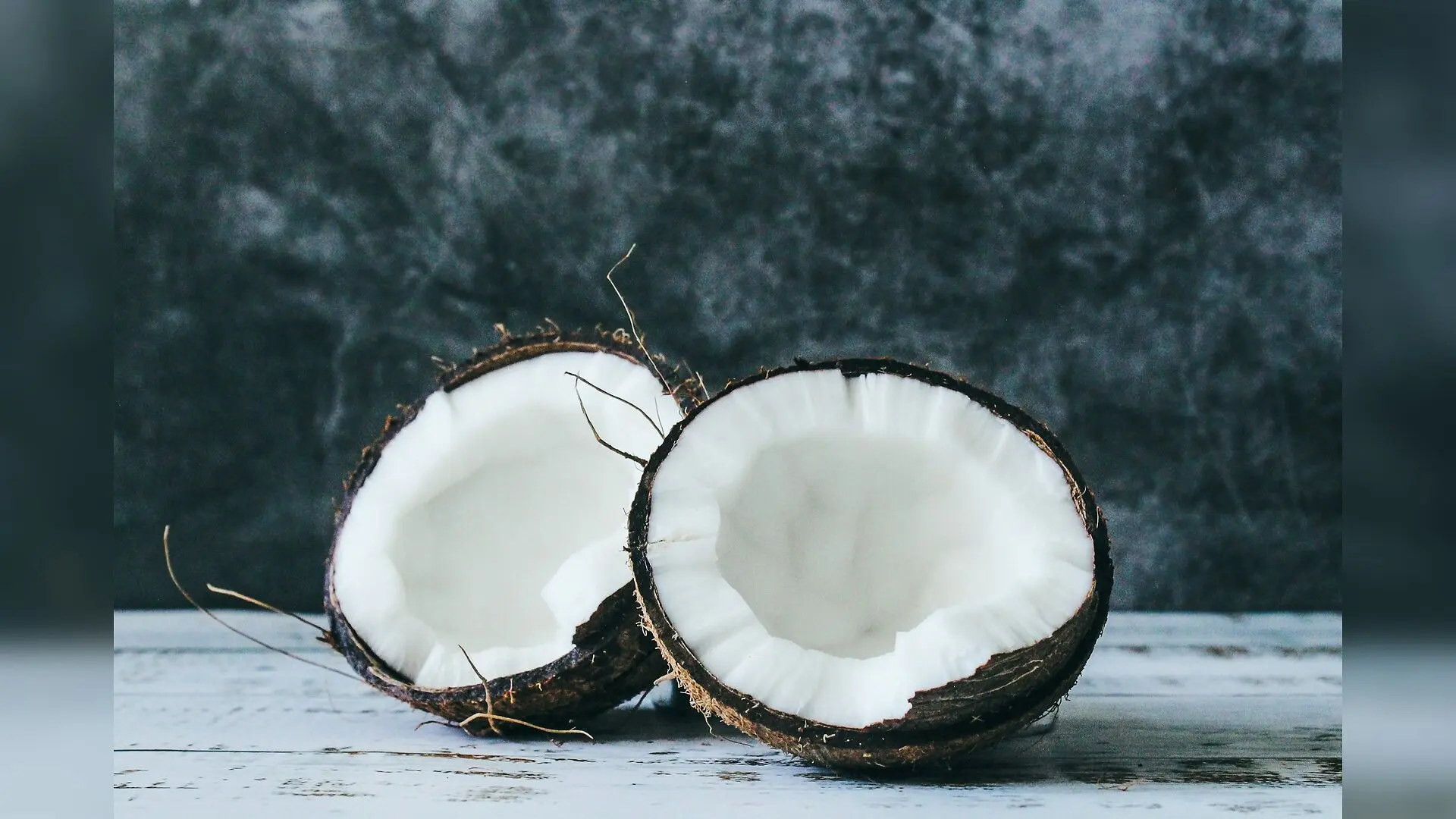
Discarded coconut shells transformed into a high-tech carbon powder can filter out toxic textile dyes from wastewater with high efficiency. Researchers developed a novel filtration membrane that combines carbonized biomass with zinc oxide inside a biodegradable plastic matrix, addressing both agricultural waste accumulation and industrial water pollution.
Turning Agricultural Waste Into Water Purification Power
The textile industry generates roughly one-fifth of the world’s wastewater, releasing thousands of tonnes of persistent synthetic dyes, heavy metals, and organic pollutants into local environments. Conventional treatment methods such as chemical coagulation and advanced oxidation processes often require high energy inputs, generate toxic sludge, or fail to achieve complete mineralization. To find a more sustainable solution, a team of researchers turned to biochar, a porous carbon material created by baking organic matter without oxygen.
The study, published in RSC Advances, details how locally sourced coconut shells were washed, pulverized, and pyrolyzed in a muffle furnace at 500 degrees Celsius for 3 hours. This thermal breakdown creates a carbon skeleton riddled with microscopic pores. To boost its pollutant-catching abilities, the team coated the resulting coconut shell biochar with zinc oxide particles using a wet impregnation method, maintaining a metal oxide to biochar ratio of 3 to 10.
Building and Testing the Advanced Composite Membrane
The modified biochar was then embedded into polylactic acid, a bio-based and biodegradable polymer derived from plant starches. Using a solvent-casting and phase-inversion hybrid method, the researchers dissolved the polymer in chloroform, added varying amounts of the zinc oxide and biochar composite, and cast the mixture onto glass slabs before submerging them in deionized water to form porous membrane sheets.
Testing revealed that adding the composite filler transformed the membrane’s physical structure. Pure polylactic acid films are typically dense and hydrophobic, making them prone to fouling. However, incorporating 0.5 grams of the zinc oxide coated biochar increased membrane porosity to 40 percent and reduced the water contact angle from 77 degrees down to 60 degrees. This improvement in surface hydrophilicity helped water flow through the material much faster.
How Well Does the Membrane Clean Polluted Water
The team evaluated the filtration performance using methylene blue, a stable, toxic, and carcinogenic cationic dye frequently used as a model pollutant in textile wastewater research. When water containing methylene blue was passed through the 0.5-gram composite membrane, dye rejection reached up to 93 percent at a feed concentration of 5 milligrams per litre, remaining above 73 percent across higher concentrations up to 25 milligrams per litre.
Antifouling tests using bovine serum albumin as a model protein foulant showed that the composite membrane achieved a flux recovery ratio of roughly 79.5 percent after cleaning, outperforming pure polymer controls. Furthermore, cyclic stability tests over five successive filtration runs showed that the membrane retained 75 percent of its initial water flux, indicating good structural durability without severe pore clogging.
Limitations and Next Steps for Industrial Wastewater
Despite the promising laboratory results, the study authors noted several limitations that must be addressed before real-world deployment. The experiments tested only methylene blue dissolved in pure deionized water at room temperature. Real textile effluents contain complex mixtures of salts, surfactants, and fluctuating temperatures that could alter filtration dynamics.
Additionally, detailed testing was concentrated primarily on the 0.5-gram filler loading, and evaluations on actual industrial wastewater samples are still needed. Future research will focus on scaling up membrane production and testing their effectiveness against multi-dye solutions and heavy metal mixtures.
The research was published in RSC advances on October 27, 2026.
This article has been fact checked for accuracy, with information verified against reputable sources. Learn more about us and our editorial process.
Last reviewed on .
Article history
- Latest version
Cite this page:
- Posted by Raj Joshi