Early Life Air Pollution Exposure Linked to Long Term Lung Function Deficits in Teens
New research reveals a significant link between early-life air pollution exposure and impaired lung function in children and adolescents.
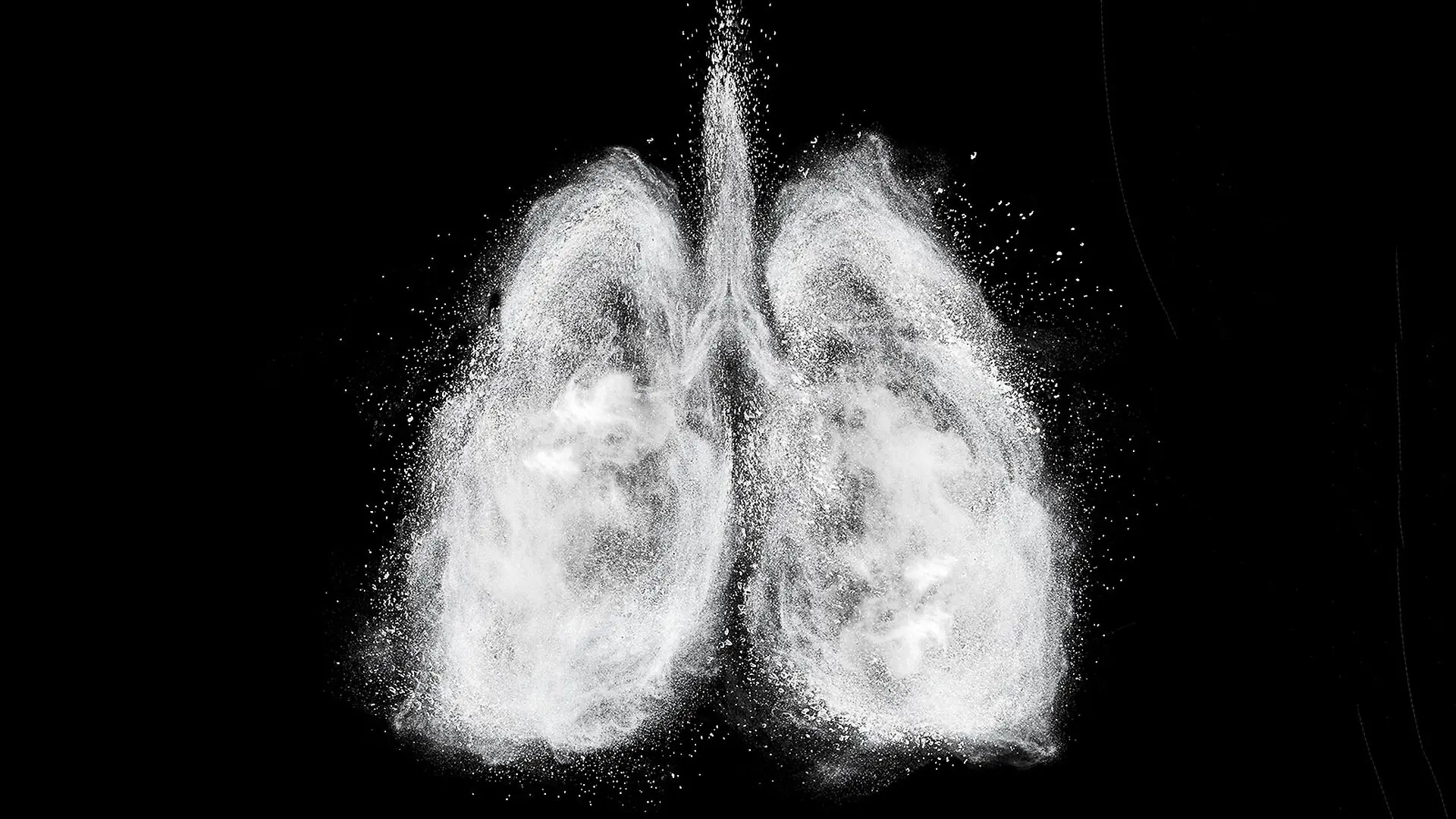
Exposure to common air pollutants during the earliest stages of development may have lasting consequences for a child’s respiratory health, according to a longitudinal study published in BMJ Open Respiratory Research. The findings suggest that even modest concentrations of air pollution during pregnancy and infancy are linked to reduced lung capacity that can persist well into the teenage years.
Researchers from the University of Copenhagen, the Danish Pediatric Asthma Centre, and Herlev and Gentofte Hospital tracked hundreds of participants from before birth until they reached age 18. By cross-referencing precise air quality data at the participants’ home addresses with repeated clinical assessments of lung function, the team identified a concerning trend: children raised in areas with higher levels of particulate matter and nitrogen dioxide consistently showed impaired respiratory development.
Lasting Developmental Impacts
The study highlights how environmental exposure during critical windows of growth sets a trajectory for lung health. Lead author Marie Pedersen, an associate professor at the University of Copenhagen’s department of public health, noted that the deficits observed in young children were not merely a temporary hurdle.
“We found that children who were exposed to higher concentrations of air pollution during their mothers’ pregnancy and their first years of life had an increased risk of lower lung function when we measured it at age six,” Pedersen said. “And the children do not appear to outgrow this difference. Higher concentrations of air pollution were also associated with slightly impaired development of lung function throughout childhood and into adolescence.”
The study specifically measured the impact of nitrogen dioxide (NO₂) and fine particulate matter (PM2.5)—pollutants commonly generated by traffic, industrial activity, agricultural operations, and residential wood-burning. The data indicated that even minimal variations in exposure correlated with measurable health outcomes. For instance, a prenatal exposure increase of just 2 micrograms of PM2.5 per cubic meter of air was linked to a nearly 2 percent reduction in lung capacity by age six.
A Broad Public Health Challenge
While an individual child might not experience a perceptible difference in their daily breathing, the population-level implications are significant. As children continue to develop, the cumulative effect of these small, early deficits could contribute to a higher prevalence of chronic respiratory conditions such as asthma or chronic obstructive pulmonary disease (COPD) later in life.
Despite significant improvements in air quality in Denmark over the past few decades, current levels remain above the World Health Organization’s recommended threshold of 5 micrograms of fine particulate matter per cubic meter. In the context of this study, the annual average concentration was recorded at 9.6 micrograms per cubic meter, and approximately 75 percent of the pollution originated from transboundary sources outside the country.
Pedersen emphasizes that these results serve as a call to action for policy makers rather than a source of individual anxiety for parents. She stresses that the benefits of physical activity for children—such as cycling and playing outdoors—far outweigh the risks associated with current air quality levels.
“The message is not that families should be worried in their everyday lives, but rather that as a society we should continue working towards cleaner air,” said Pedersen. “Air quality, health, and climate change are closely interconnected, so many initiatives aimed at improving air quality will also help reduce greenhouse gas emissions.”
This article has been fact checked for accuracy, with information verified against reputable sources. Learn more about us and our editorial process.
Last reviewed on .
Article history
- Latest version
Reference(s)
- Pedersen, Marie., et al. “Impact of air pollution exposure in early life on lung function development in the COPSAC cohorts.” BMJ Open Respiratory Research, vol. 13, no. 1, October 26, 2026, pp. e003297 BMJ, doi: 10.1136/bmjresp-2025-003297. <https://doi.org/10.1136/bmjresp-2025-003297>.
Cite this page:
- Posted by William Moore