Specific Dietary Fats Trigger Immune System Stress in Vital Organs
New research shows how long-chain saturated fats in high-fat diets activate cellular danger sensors to drive tissue inflammation.
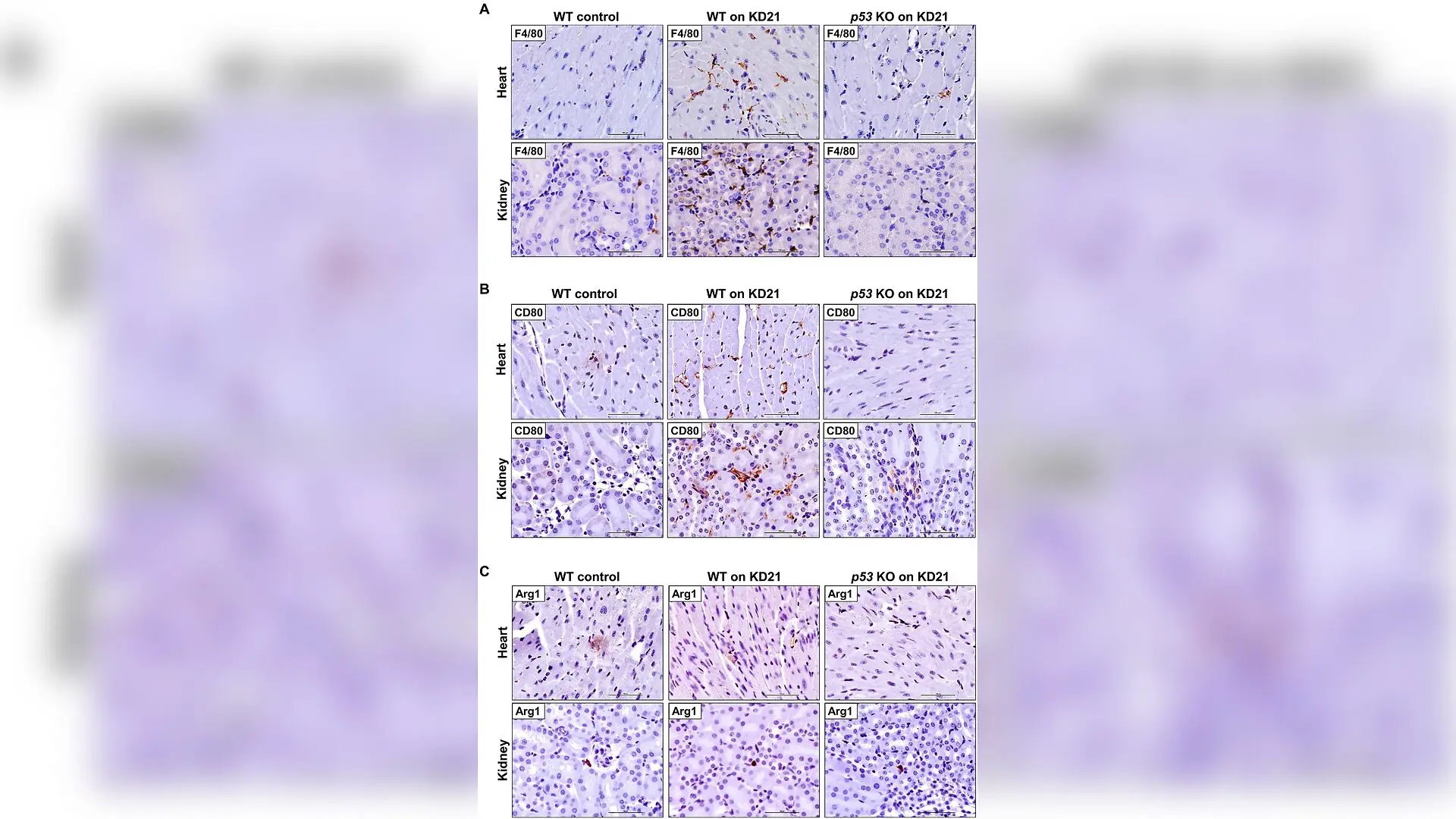
Long-chain saturated fats in high-fat diets trigger a cascade of cellular distress that causes immune cells to accumulate in vital organs, new research reveals. While low-carbohydrate nutritional plans are popular for weight management and seizure control, scientists have long debated why these diets sometimes provoke unexpected inflammation in animal models. The latest findings show that specific dietary fatty acids alter immune behavior by activating internal danger sensors within macrophages, which are specialized white blood cells responsible for cleaning up cellular debris.
How Specific Dietary Fats Alter Immune Cell Behavior
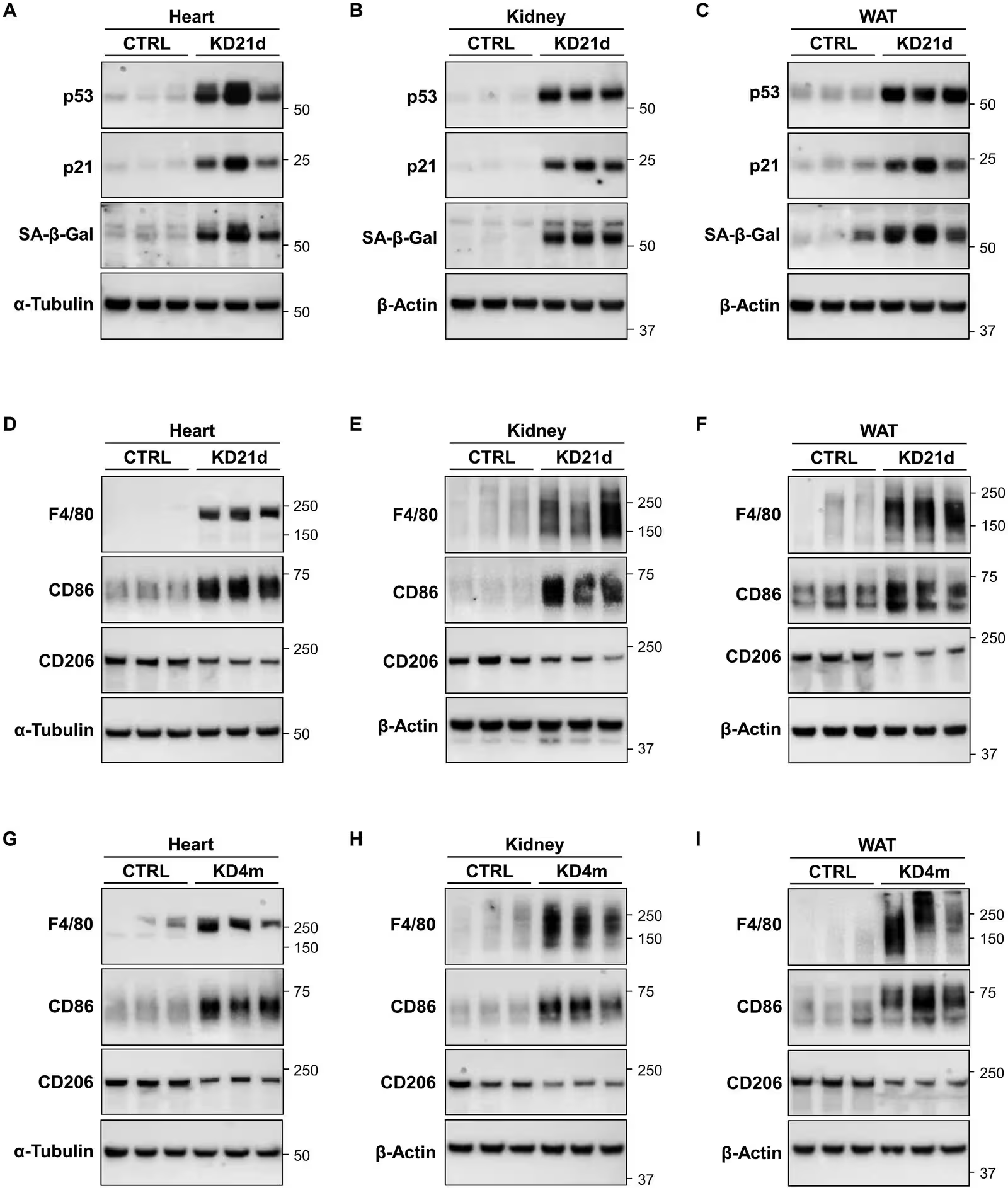
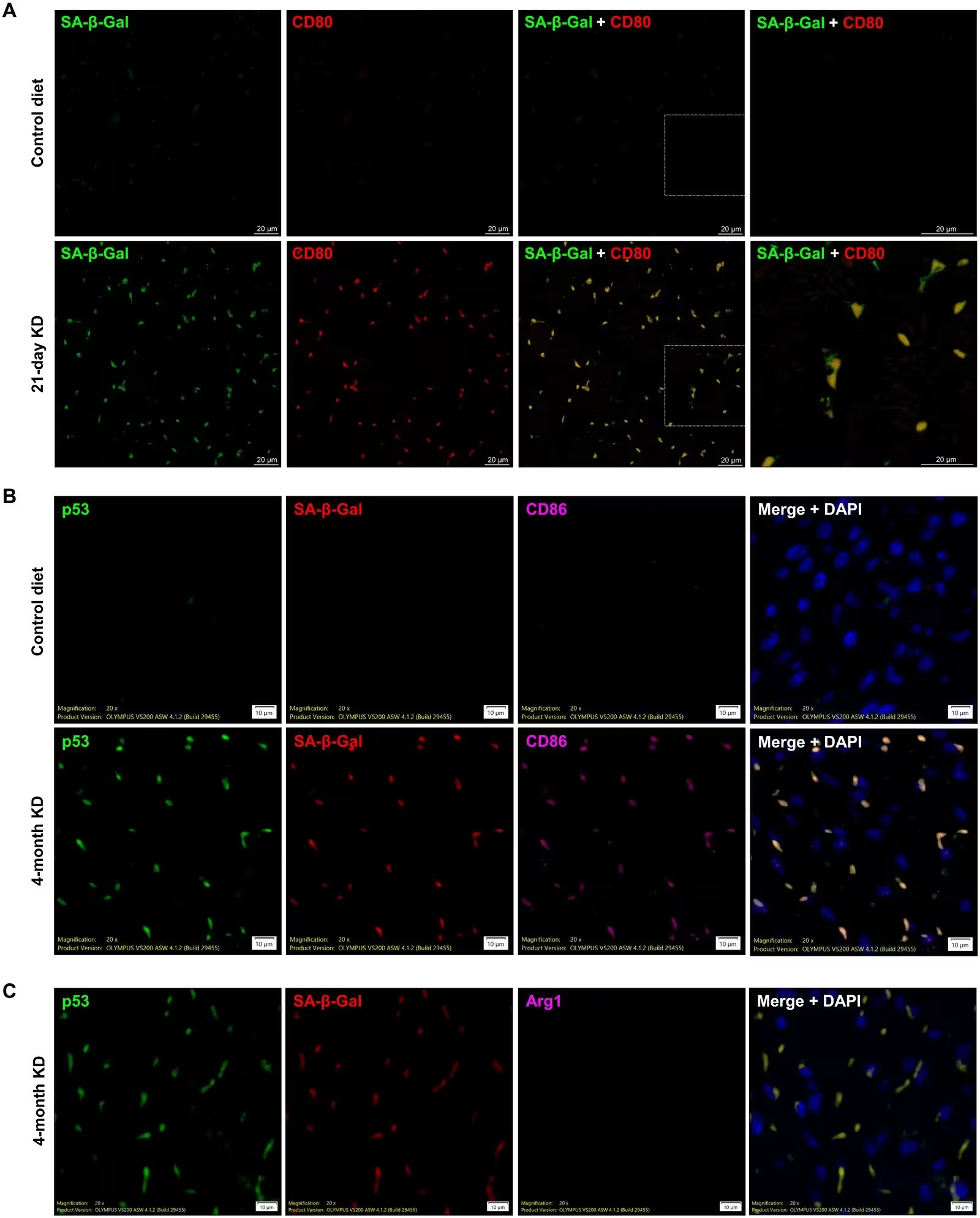
To understand why high-fat regimens yield mixed health outcomes, researchers examined tissue samples from mice maintained on a standard ketogenic regimen for 21 days or four months. The analysis, published in Science Advances, demonstrated that these diets caused a marked buildup of proinflammatory macrophages in the heart, kidneys, liver, brain, and white adipose tissue. These cells displayed signs of cellular senescence, a state where cells stop dividing but remain metabolically active and secrete inflammatory signals.
When the team tested different types of dietary fats in cell cultures, they discovered that medium-chain fats and unsaturated fats did not provoke this inflammatory response. Instead, long-chain saturated fatty acids with sixteen or eighteen carbons, such as palmitic acid and stearic acid, drove the immune cells into an aggressive inflammatory state known as M1-like polarization. Shorter fatty acids and monounsaturated varieties failed to produce this shift.
The Hidden Molecular Chain Reaction Inside Cells
Metabolomic profiling of the affected kidney macrophages revealed significant shifts in lipid metabolism, particularly an enrichment of ceramides and hexosylceramides. These specific lipid molecules can increase mitochondrial permeability, causing mitochondrial DNA to leak out into the cellular cytoplasm. This stray genetic material acts as a false alarm, triggering ancient innate immune pathways.
The leaked DNA activates a cytosolic surveillance pathway known as the cGAS-STING axis, alongside inflammasome signaling networks. When researchers evaluated mice with a myeloid-lineage knockout of the STING gene, the inflammatory response disappeared. These genetically modified animals showed no accumulation of proinflammatory macrophages, and downstream inflammatory cytokines such as tumor necrosis factor alpha and interleukin-6 remained suppressed.
Dietary Modifications That Bypass the Inflammatory Trap
The investigators also tested whether altering the fat source could prevent these adverse effects. When mice were placed on a ketogenic diet formulated with coconut oil, which is rich in medium-chain lauric acid rather than long-chain saturated fats, they did not develop the same immune cell accumulation or elevated inflammatory markers observed with conventional high-fat formulations.
These findings help explain conflicting historical reports regarding the health impacts of high-fat nutritional plans. The data suggest that the inflammatory consequences are not an inevitable feature of ketone metabolism itself, but rather depend on the precise lipid composition of the diet. The authors note that further clinical investigation is necessary to determine how these mechanisms translate to humans consuming long-term specialized diets.
The research was published in Science advances on November 13, 2026.
This article has been fact checked for accuracy, with information verified against reputable sources. Learn more about us and our editorial process.
Last reviewed on .
Article history
- Latest version
Reference(s)
- Wei, Sung-Jen., et al. “Ketogenic diets induce proinflammatory macrophage accumulation through long-chain saturated fatty acids driving cGAS-STING signaling.” Science Advances, vol. 12, no. 46, November 13, 2026 American Association for the Advancement of Science (AAAS), doi: 10.1126/sciadv.aeg5542. <https://doi.org/10.1126/sciadv.aeg5542>.
Cite this page:
- Posted by Elizabeth Taylor