Chance Discovery in Norway Reveals 3000 Year Old Rock Carvings of Ships and Humans
Archaeologists have discovered 3,000-year-old rock carvings, including ships and footprints, etched into sandstone in Bærum, Norway.
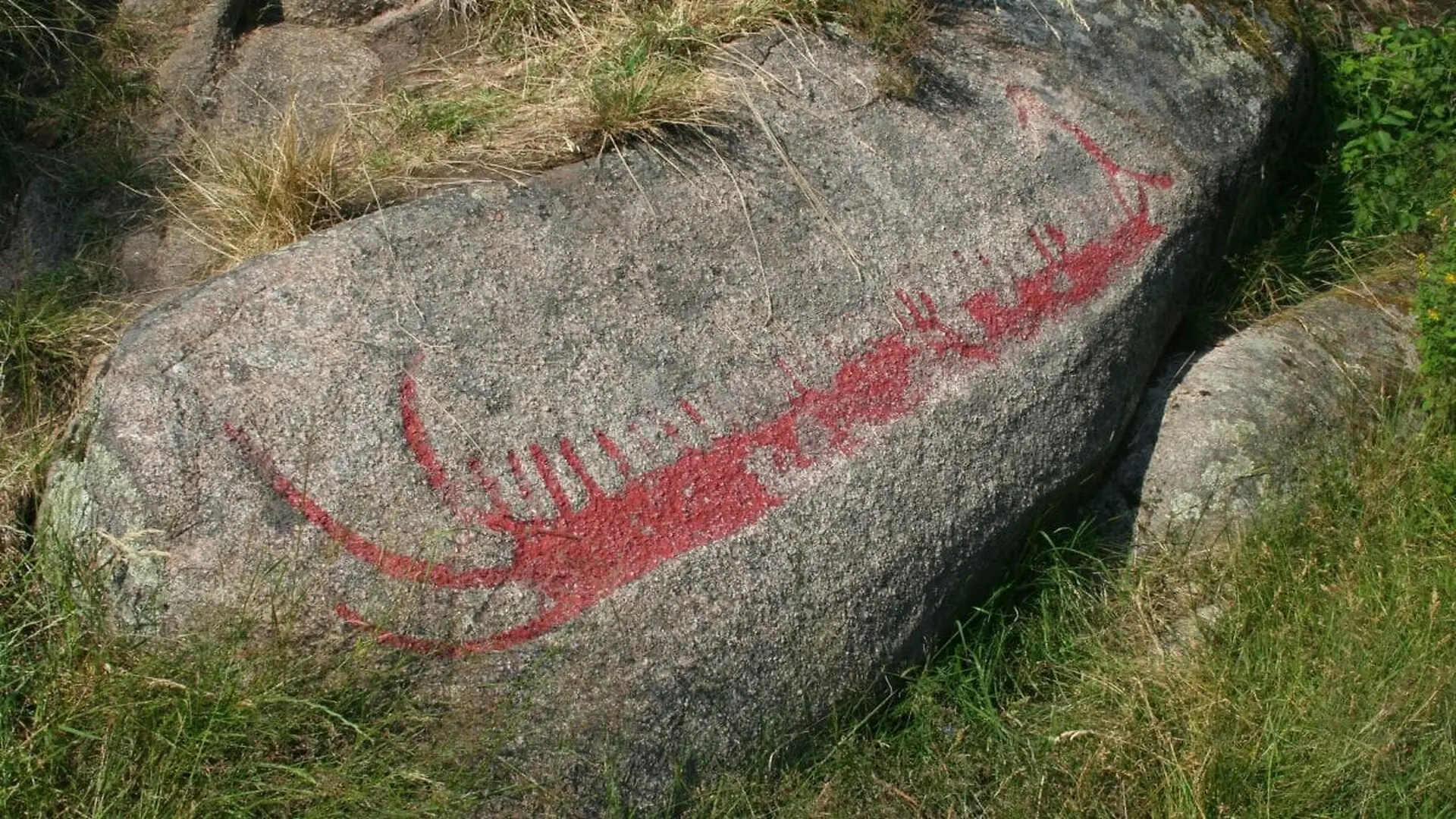
An amateur archaeologist has uncovered a rare collection of 3,000-year-old rock carvings at the base of Kolsåstoppen, a prominent hill in southeastern Norway. The find, which features a series of Bronze Age motifs including ships and human figures, provides a fresh glimpse into the region’s prehistoric past while highlighting the importance of citizen science in preserving cultural heritage.
The discovery was made by Tormod Fjeld, a dedicated researcher of prehistoric art, during a routine outing. Unlike the majority of rock art found in Norway, which is typically etched into hard granite, these particular carvings were preserved in a sandstone surface. This unique geological context allowed for a remarkable level of detail, with the individual tool marks from the original stonemasons still clearly visible to the naked eye.
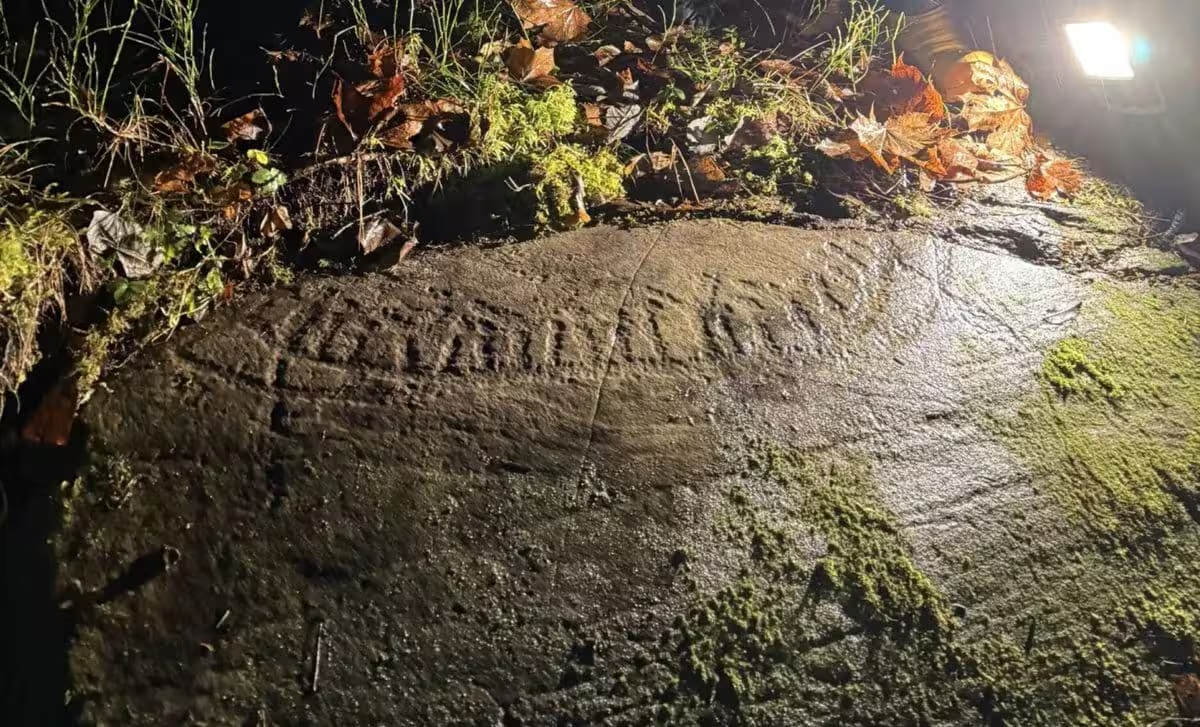
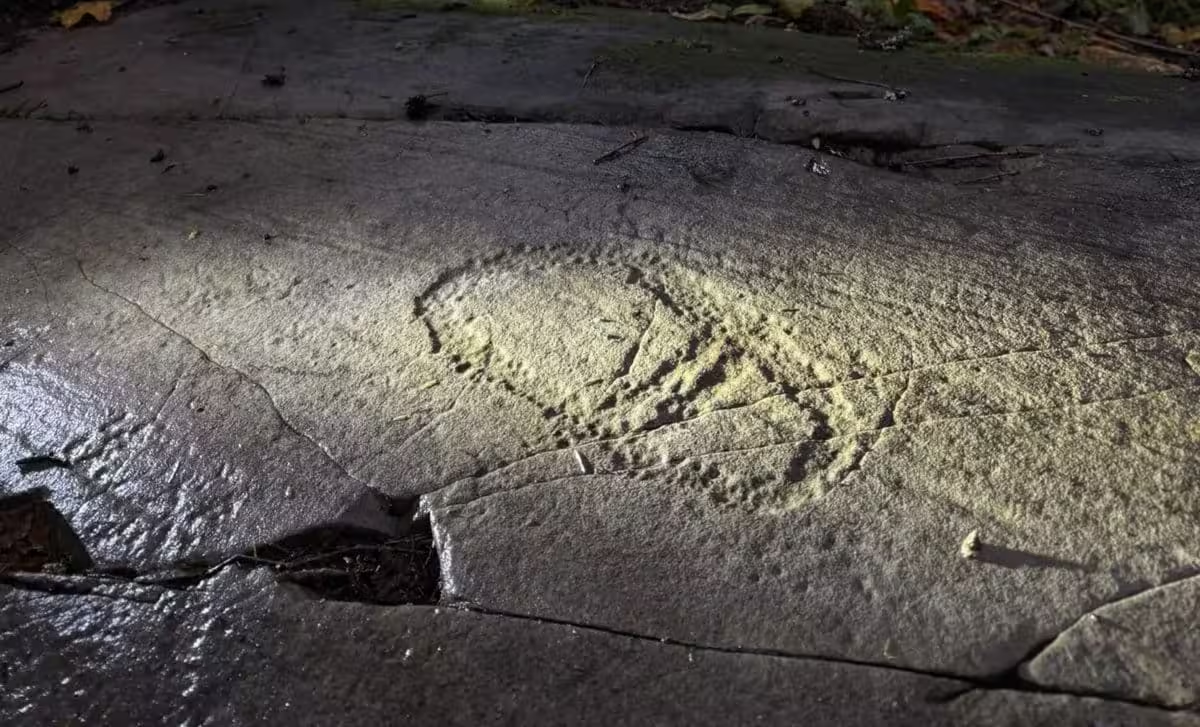
The imagery at the site is diverse, encompassing both nautical and anatomical subjects. Among the ship carvings, some appear in an upright orientation while others are inverted. Intricate details within the vessels suggest the presence of passengers, with some figures potentially wearing helmets, though researchers caution that interpretations of such ancient iconography remain speculative. Alongside the maritime scenes, the rock surface contains depictions of a human hand and a large footprint, indicating a complex narrative or ritualistic significance that researchers are only beginning to analyze.
Reidun Marie Aasheim, an archaeologist with the Akershus County Municipality, praised the discovery as a significant contribution to the field. Because public resources for systematic archaeological surveying are often tied to active development projects, such as road or housing construction, many heritage sites across Norway remain undocumented. Experts acknowledge that these “off-the-grid” finds are vital for maintaining an accurate picture of the country’s historical landscape.
Fjeld’s methodology relies on a combination of terrain analysis and instinct, as he actively scouts landscapes that would have been attractive to ancient populations. This approach has proven highly successful; in the vicinity of Drøbak alone, Fjeld has identified 70 new sites, vastly expanding the inventory previously recorded by authorities. His work is increasingly urgent as climate change and natural erosion continue to threaten these open-air galleries. A study published by Cambridge University suggests that roughly 95 percent of Norway’s known rock art is susceptible to damage from weathering, making the documentation of new sites a top priority for cultural preservationists.
As heritage specialists evaluate the Kolsåstoppen site, the discovery serves as a reminder of how much remains hidden in the landscape. For Fjeld, the process is one of reading the “codes” of the terrain, a skill he intends to keep applying in search of more remnants from the Bronze Age.
This article has been fact checked for accuracy, with information verified against reputable sources. Learn more about us and our editorial process.
Last reviewed on .
Article history
- Latest version
Reference(s)
- Kjeldsen, Gitte. “Norwegian rock art in the past, the present, and the future (Chapter 20) - Working with Rock Art.”, pp. 273-280. Cambridge Core <https://www.cambridge.org/core/books/abs/working-with-rock-art/norwegian-rock-art-in-the-past-the-present-and-the-future/1BEAF2DCF9F8B3B2307A558D7CD9672A>.
Cite this page:
- Posted by Zara Tariq