China Just Launched Four Different Rockets Into Orbit In Only 45 Hours
China has ramped up its space program, successfully completing four orbital rocket launches in just 45 hours, signaling a new pace for its spaceflight goals.
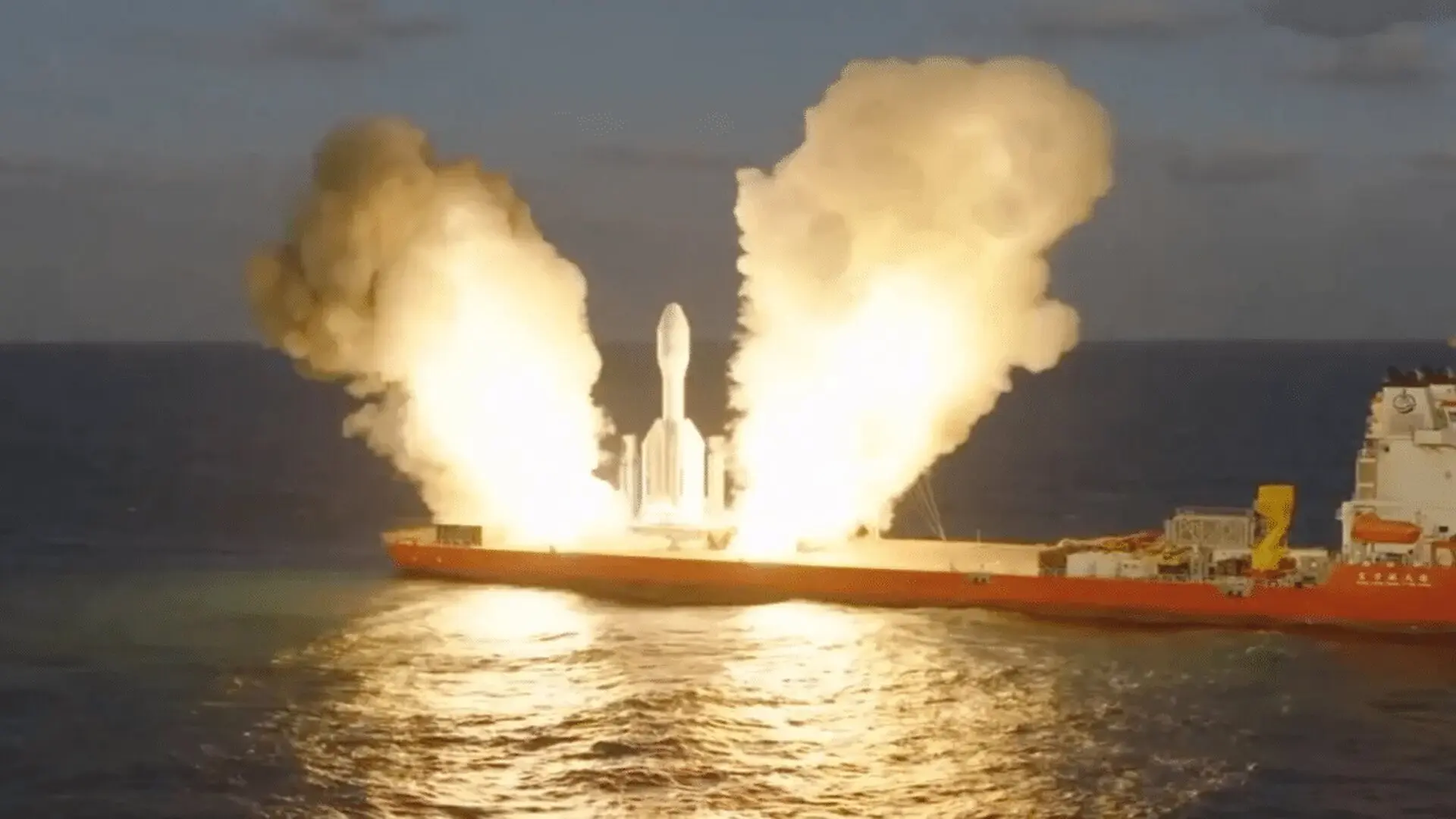
China has demonstrated a remarkable shift in its orbital capabilities, successfully launching four distinct rocket models into space within a window of just 45 hours. This rapid-fire sequence, as noted by Space.com, highlights a significant evolution in the nation’s space infrastructure, moving away from solitary, high-profile missions toward a model of sustained, high-tempo industrial operations.
Parallel Operations and Operational Versatility
The significance of this feat lies not just in the frequency of the launches, but in the diversity of the hardware involved. Because each of the four missions utilized a different launch vehicle, the operational burden was substantially higher than a repeat firing of a single, standardized rocket. Each system requires unique integration workflows, specialized ground support equipment, and distinct mission control protocols.
By coordinating these separate logistics chains simultaneously, China has showcased an expanding space ecosystem that bridges the gap between state-run programs and a burgeoning commercial sector. This level of activity suggests that the country’s launch sites are increasingly capable of managing overlapping preparation cycles, rather than relying on a linear, single-vehicle production schedule.
The Shift Toward Launch as a Service
As the global demand for orbital access surges—driven by the need for communications arrays, remote-sensing satellites, and scientific research platforms—the ability to provide flexible launch solutions has become a marker of space power. A diverse fleet of rockets allows mission planners to match specific payloads to the most efficient vehicle, ensuring that development is not stalled by the unavailability of a single rocket family.
This 45-hour surge serves as the visible culmination of months of behind-the-scenes work. Manufacturing, transportation, and range coordination are the true drivers of such a tempo. When these elements align, it confirms that a nation possesses the industrial depth to move beyond sporadic launches and operate more like a reliable transportation network.
Industrial Maturity and Future Trajectories
For modern space agencies and private spaceflight companies alike, high-frequency launch cadence is an essential metric of maturity. Routine operations allow engineering teams to refine production processes, identify bottlenecks, and build the institutional knowledge necessary for scaling up missions. By maintaining multiple concurrent launch campaigns, China is signaling a transition toward a more resilient and flexible orbital strategy.
While weather, technical reviews, and the inevitable variables of spaceflight mean such compressed windows cannot always be guaranteed, the recent sequence illustrates a clear trajectory. China is no longer simply launching individual missions; it is developing a systematic capacity to deploy diverse assets to orbit on demand, reflecting a broader shift in the global space race where frequency is becoming as vital as technical performance.
This article has been fact checked for accuracy, with information verified against reputable sources. Learn more about us and our editorial process.
Last reviewed on .
Article history
- Latest version
Reference(s)
- Wall, Mike. “China launches 4 different rockets to orbit in 45 hours (video).”, September 20, 2026 Space <https://www.space.com/space-exploration/launches-spacecraft/china-launches-4-different-rockets-to-orbit-in-45-hours-video>.
Cite this page:
- Posted by Zara Tariq