Actors Preparing For Movie Role Unearth Rare 19th Century Armor In Palace Moat
A film crew searching for treasure as part of a script stumbled upon a real-life discovery after wading through hours of waist-deep mud.
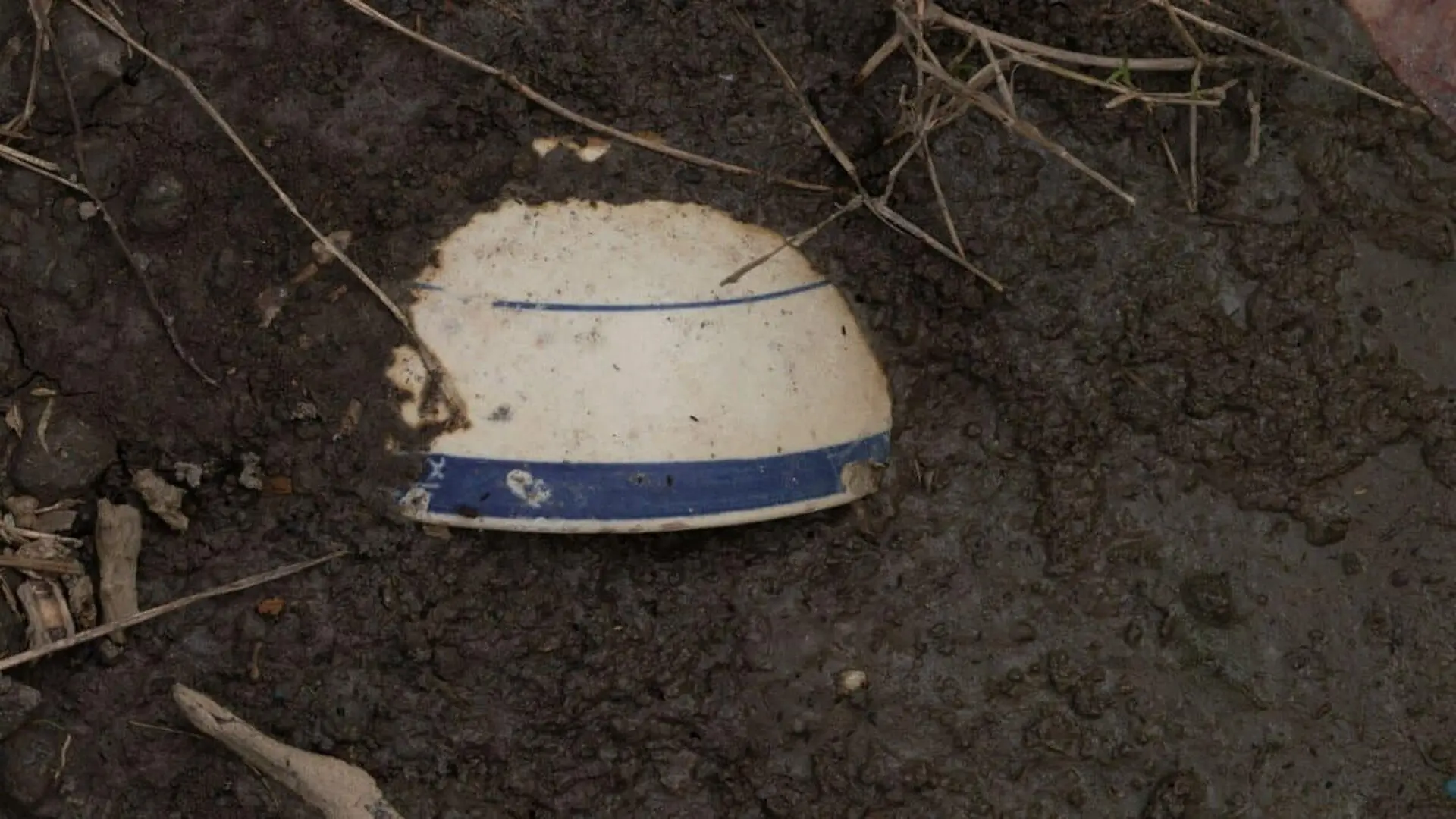
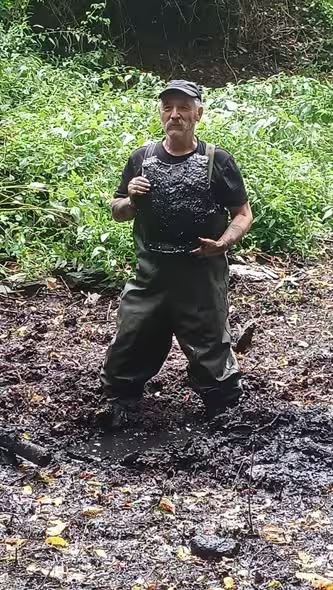
What began as a routine rehearsal for a film production in Poland has yielded a significant historical find. While training for a screen adaptation of the 1937 literary work Satan from the Seventh Grade, a group of actors and history enthusiasts waded through the thick, waist-deep mud of a palace moat and retrieved a well-preserved 19th-century cuirass.
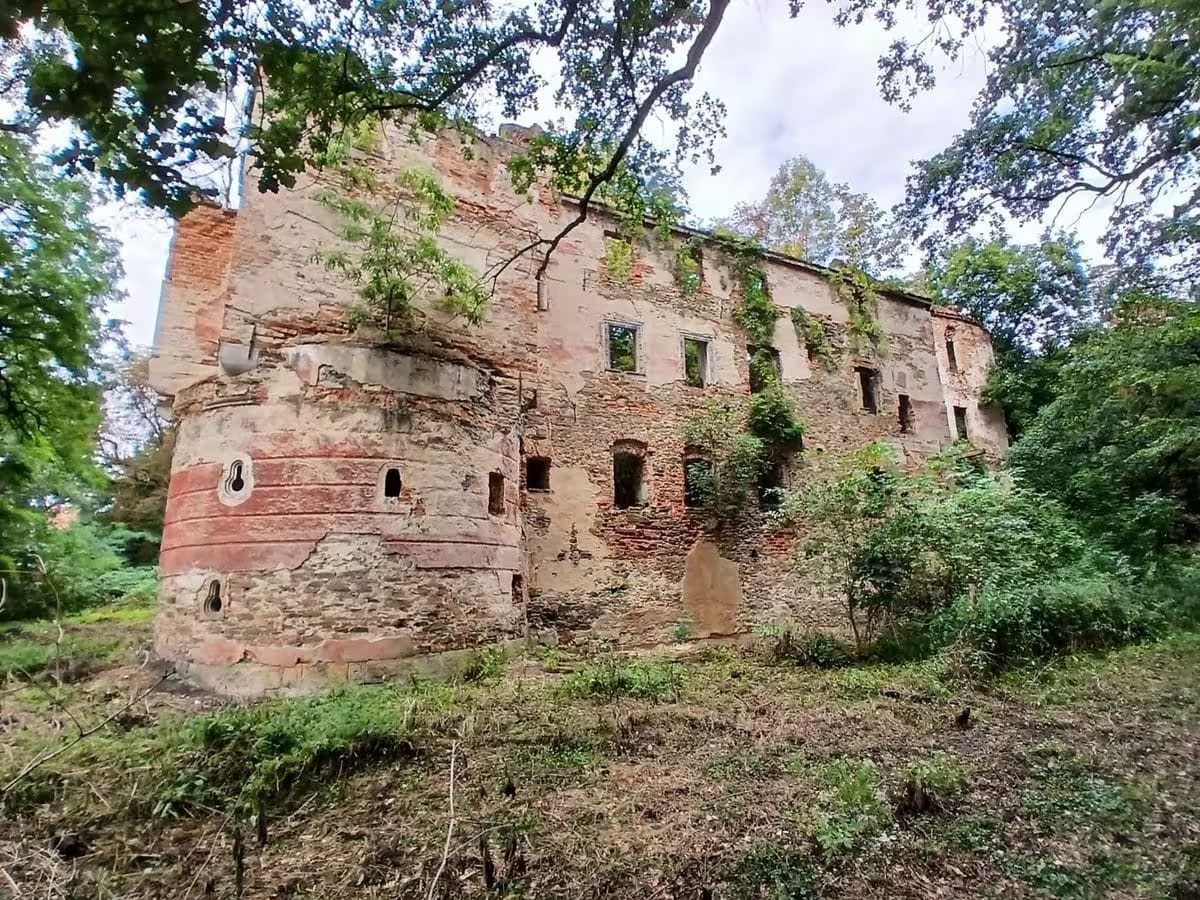
The discovery took place at the Pielaszkowice Palace, a site with roots stretching back to the 14th century. Organized by journalist and historical researcher Joanna Lamparska, the exercise was designed to help the cast develop an authentic understanding of the explorer’s craft. The group was joined by members of the DRACO Żmigród History Explorers Association, who provided professional guidance throughout the search.
A Relic of Military History
A cuirass, which serves as protective plating for the torso, was a standard piece of equipment for cavalry units known as cuirassiers. By providing a hardened shell against sword strikes and other battlefield threats, these pieces became iconic symbols of 19th-century military gear. Experts from the DRACO association initially linked the piece to the Napoleonic era, though further analysis will be required to confirm its specific provenance, with some theories suggesting ties to the Prussian Guard.
The Pielaszkowice Palace site is no stranger to historical upheaval. Its history is marked by a transition from a medieval knightly seat to a Baroque residence, followed by a pivotal role in the 1813 armistice between Napoleon’s forces and the Russian-Prussian alliance. Following the devastation of World War II, the property was repurposed as a state farm, leaving behind a legacy of abandoned structures and submerged artifacts.
Future Preservation Efforts
The Silesian House Museum has confirmed that it will take custody of the armor. Currently, the artifact is undergoing assessment as staff prepare for a conservation process to stabilize the metal. According to reports from Heritage Daily, the team also recovered metal door fittings and fragments of sculptures, suggesting the moat may contain a broader collection of discarded historical materials.
“This find is a remarkable testament to the history of Lower Silesia, and the real highlight is that, following conservation, the cuirass will be housed in our museum,” the institution stated.
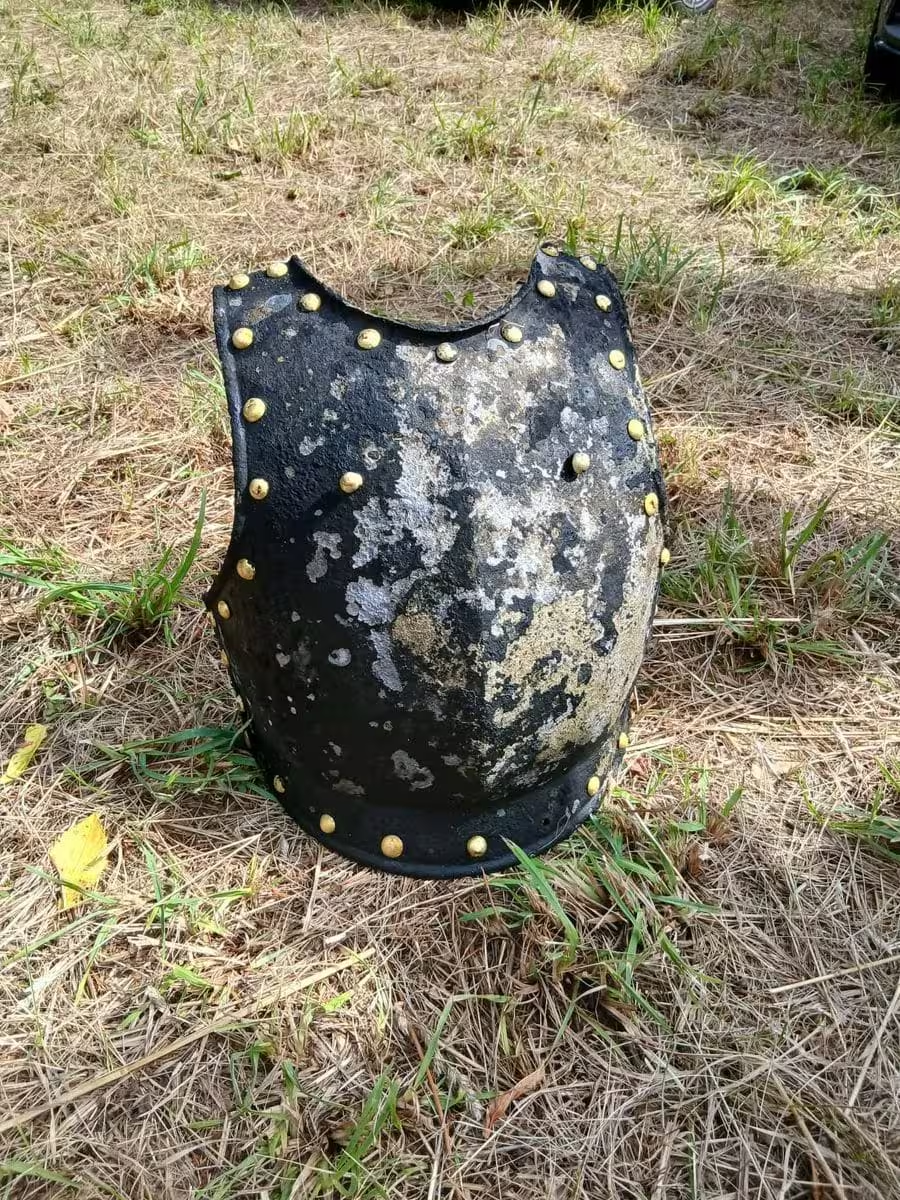
While the exact origins and date of the cuirass remain under investigation, the event has highlighted the enduring mystery of the Pielaszkowice moat. Lamparska noted that the recovery of the piece is an extraordinary outcome, particularly considering the chaotic conditions that led to so many items being discarded in the water decades ago.
This article has been fact checked for accuracy, with information verified against reputable sources. Learn more about us and our editorial process.
Last reviewed on .
Article history
- Latest version
Reference(s)
- “About Me – Joanna Lamparska.” <https://joannalamparska.pl/index.php/about-me/>.
- <https://www.heritagedaily.com/2026/09/palace-moat-yields-rare-cavalry-armour-during-real-life-treasure-hunt/159153>.
Cite this page:
- Posted by Zara Tariq