MIT Scientists Use Pink Noise to Boost the Brain’s Natural Cleaning Process During Sleep
MIT researchers discovered that precisely timed pink noise bursts during sleep can amplify cerebrospinal fluid waves, potentially boosting brain cleansing.
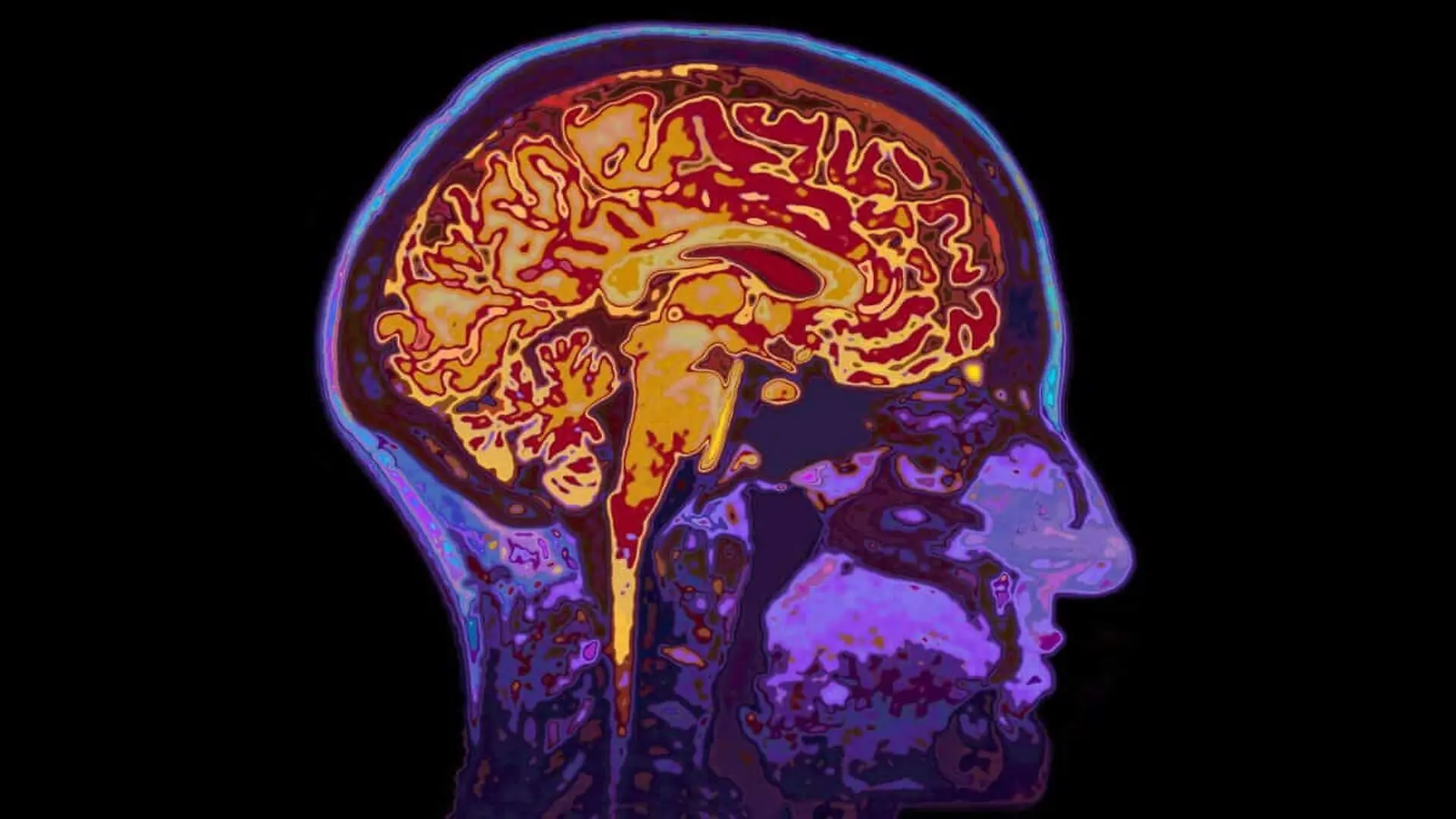
Scientists have successfully demonstrated that it is possible to influence the movement of cerebrospinal fluid (CSF) in the human brain by using precisely timed sound pulses during non-REM sleep. The study, published on September 9, 2026, in Science Translational Medicine, offers a new window into how sleep-related neural activity supports brain health, though researchers caution that potential clinical applications are still in the early stages of discovery.
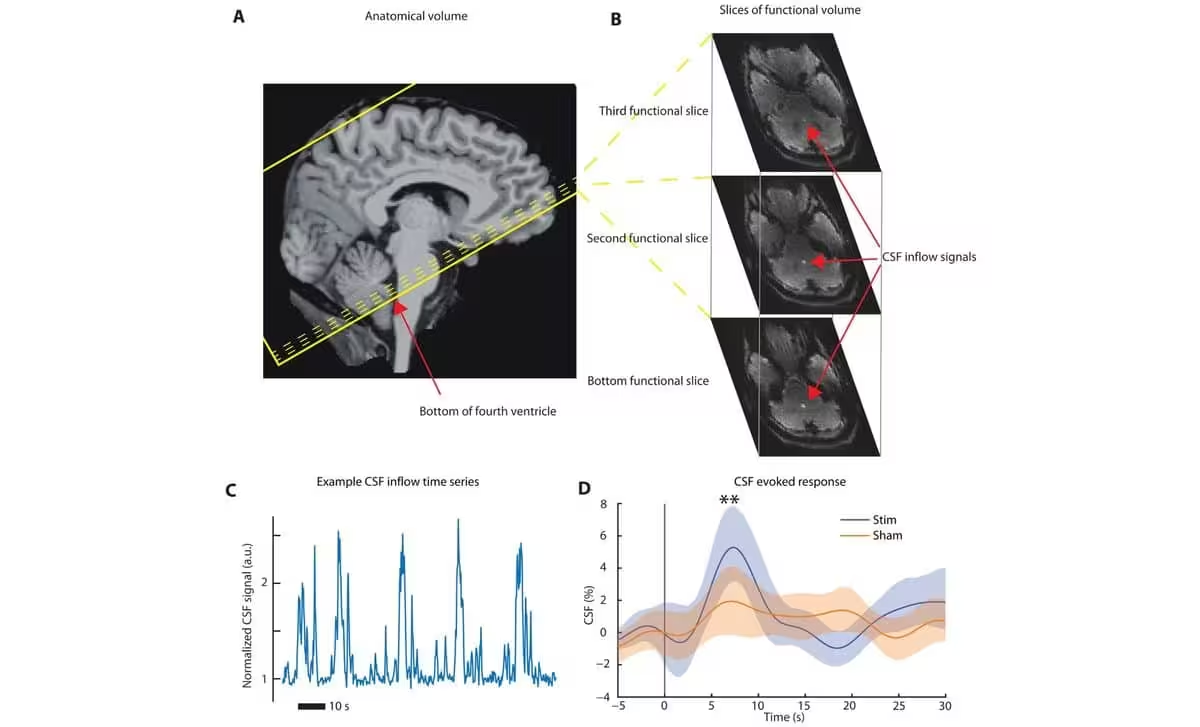
During deep, non-REM sleep, the brain undergoes a restorative process where rhythmic electrical activity, known as slow waves, synchronizes with large, pulsing movements of cerebrospinal fluid. This fluid is essential for maintaining neurological function and flushing out metabolic waste products that accumulate throughout the day. Led by Laura Lewis and lead author Joshua Levitt at MIT, the research team set out to determine whether they could artificially amplify these natural slow waves to see if a corresponding increase in CSF movement would follow.
Precision Timing Drives Neural Response
To test this, the team monitored 14 healthy volunteers as they napped inside an MRI scanner. The participants were equipped with EEG sensors designed to track brain activity in real time. Because MRI environments typically create significant electrical interference, the researchers engineered a specialized system capable of scrubbing this noise from EEG signals in less than 100 milliseconds.
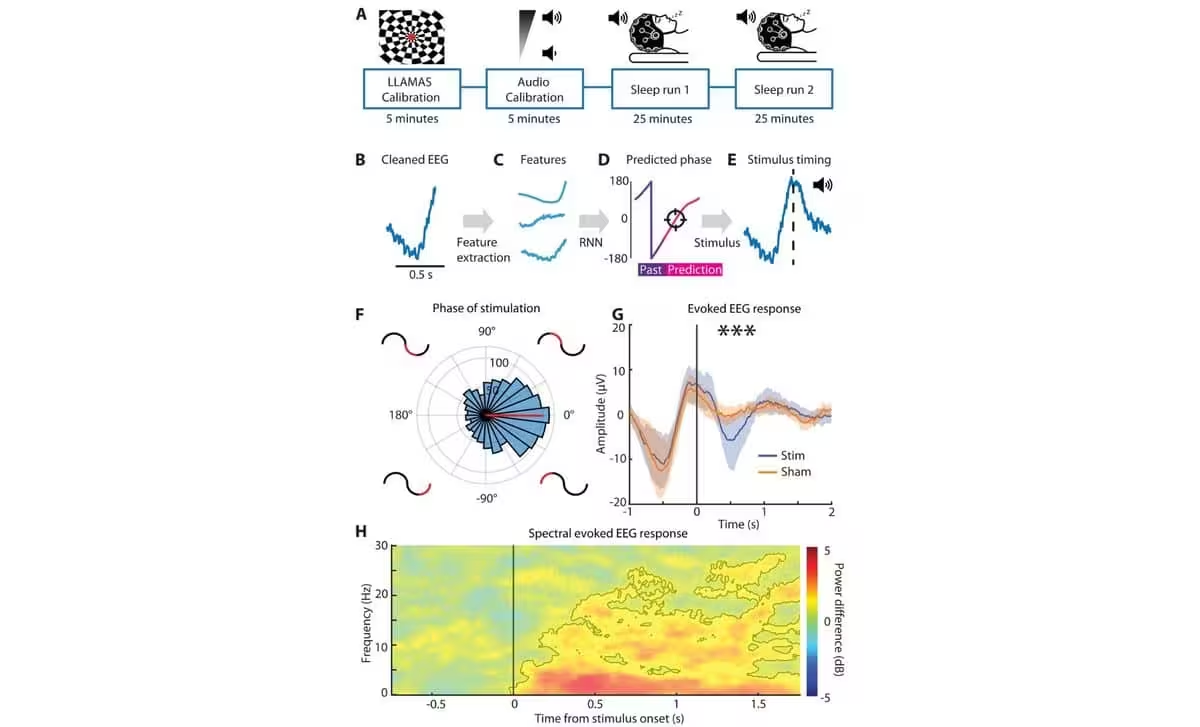
Using a recurrent neural network to predict the peak of an incoming slow wave, the researchers triggered a 50-millisecond burst of pink noise—a sound characterized by a balance of all audible frequencies that mimics the soothing quality of steady rainfall. This closed-loop system ensured that the sound was delivered only at the precise moment required to nudge the brain’s existing rhythm, rather than on a generic timer.
The results showed that when the sound was synchronized with the phase of the slow wave, it amplified the electrical signal. This boost in neural activity was immediately followed by a measurable increase in the movement of cerebrospinal fluid. Crucially, the researchers found that the fluid response was dependent on the timing of the stimulus, confirming that the brain’s internal rhythm—not just the sound itself—was the driver of the effect.
A New Framework for Brain Research
Beyond measuring fluid flow, the study observed changes in blood oxygen levels that were consistent with the patterns seen during natural sleep. These vascular shifts, the authors suggest, may be a secondary mechanism assisting in the movement of fluid throughout the brain.
While the findings are promising, the researchers emphasized that simply playing pink noise at night will not replicate these results. The effect relies entirely on the closed-loop monitoring of brain waves and the highly specific delivery of auditory bursts. Furthermore, the study was limited to healthy individuals taking afternoon naps; it remains unknown whether this technique can improve cognitive health or effectively clear pathological protein buildups, such as amyloid-beta, in clinical populations.
Moving forward, the team aims to investigate whether this methodology could serve as a therapeutic tool for addressing sleep disorders or age-related neurological decline. For now, the study serves as a definitive proof of concept, establishing that human brain-wave activity and fluid dynamics can be modulated non-invasively through targeted sensory input.
This article has been fact checked for accuracy, with information verified against reputable sources. Learn more about us and our editorial process.
Last reviewed on .
Article history
- Latest version
Reference(s)
- News, Anne. “A burst of “pink noise” may lead to more restorative sleep.”, September 9, 2026 MIT News | Massachusetts Institute of Technology <https://news.mit.edu/2026/pink-noise-burst-may-mean-more-restorative-sleep-0909>.
- Levitt, Joshua., et al. “Closed-loop auditory stimulation in phase with slow waves during sleep enhances cerebrospinal fluid flow in humans.” Science Translational Medicine, vol. 18, no. 866, September 9, 2026 American Association for the Advancement of Science (AAAS), doi: 10.1126/scitranslmed.aea5469. <https://www.science.org/doi/10.1126/scitranslmed.aea5469>.
Cite this page:
- Posted by Zara Tariq