NOAA Forecast Suggests Northern Lights Could Be Visible In These 10 US States Tonight
Increased solar activity could bring another spectacular display of the Northern Lights to skywatchers soon. Find out if you might see them near you.
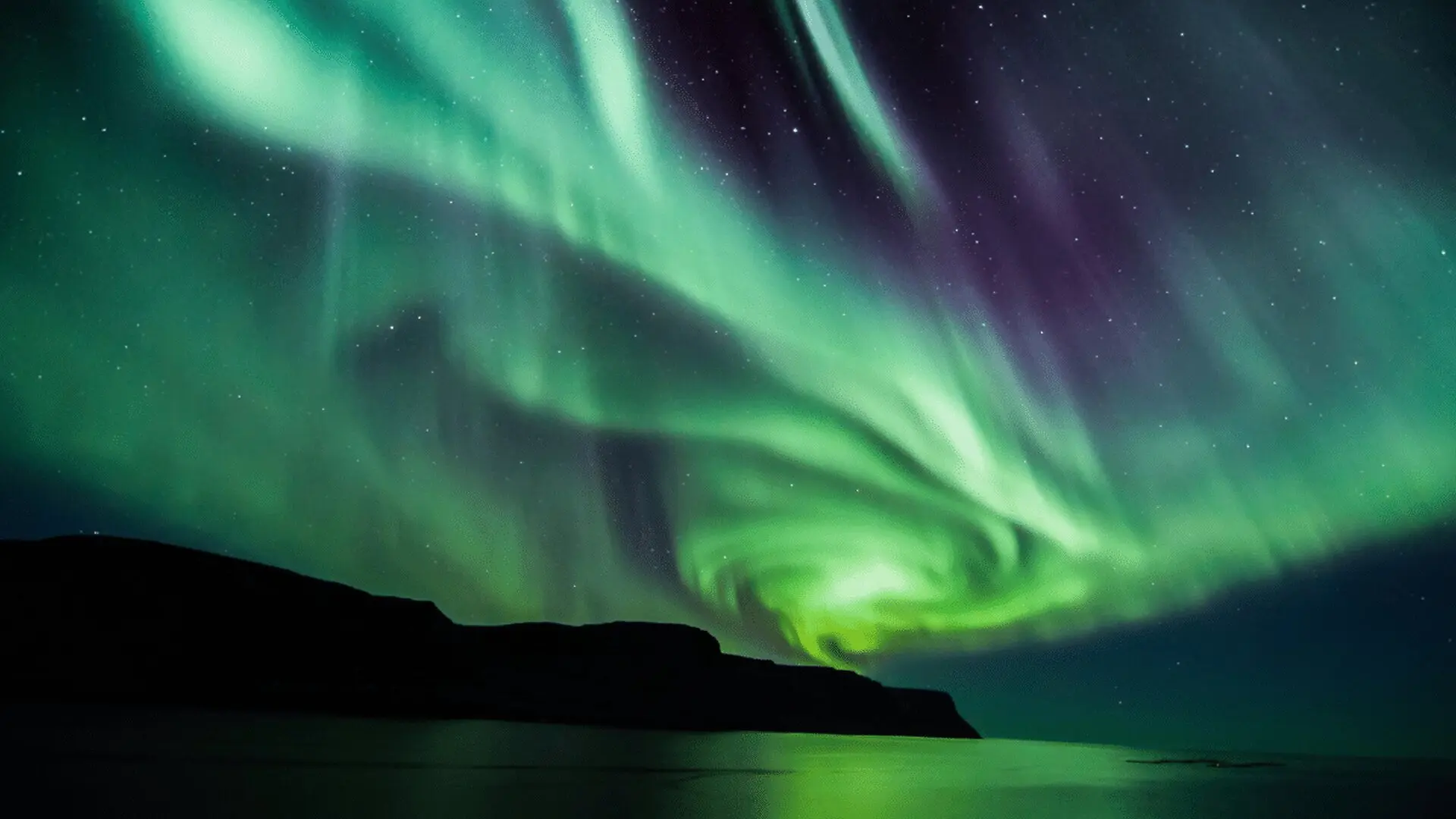
Skywatchers across the northern United States may be treated to a vibrant display of the aurora borealis tonight, as current forecasts from the NOAA Space Weather Prediction Center indicate favorable conditions for increased geomagnetic activity.
Understanding the Solar Drivers Behind Auroral Displays
The spectacle of the Northern Lights is the end result of dynamic processes occurring millions of miles away on the surface of the Sun. During periods of heightened solar activity, the Sun ejects massive clouds of charged particles, often referred to as coronal mass ejections, into the interplanetary medium. When these streams of solar material collide with the Earth’s magnetosphere, they are funneled toward the planet’s polar regions.
Upon reaching the upper atmosphere, these particles energize oxygen and nitrogen gases. This interaction releases photons, creating the characteristic ribbons of light that dance across the night sky. The specific hues visible to observers—ranging from vibrant greens and reds to deep blues and purples—are determined by which gases are being excited at varying altitudes.
Prime Locations for Observation
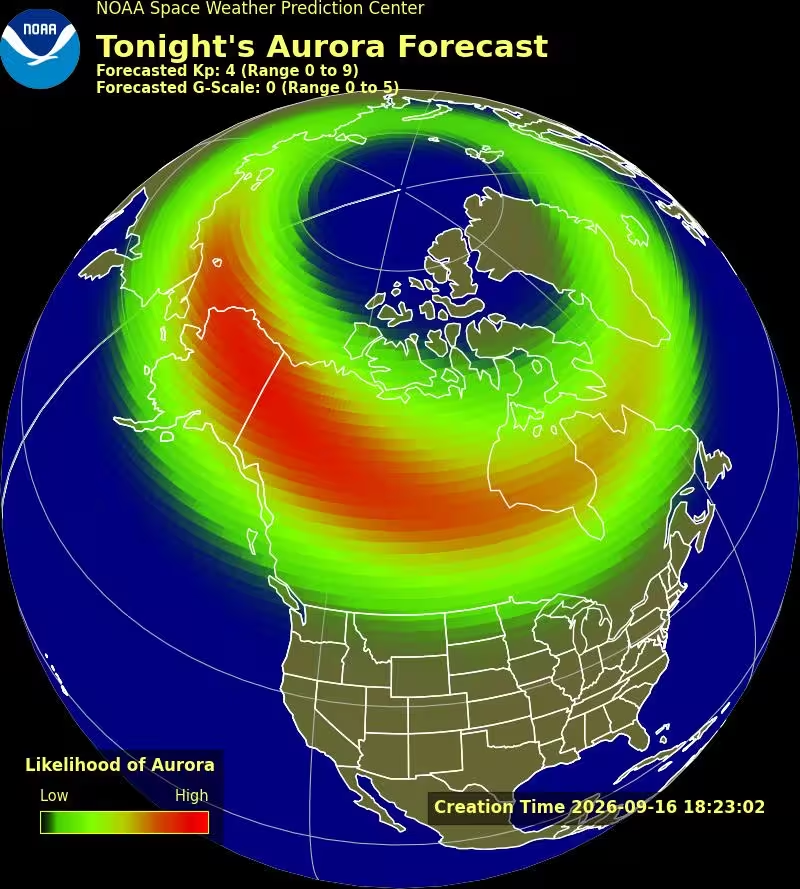
Data provided by NOAA suggests that the most likely regions to witness the display include Alaska, Idaho, Maine, Michigan, Minnesota, Montana, North Dakota, South Dakota, Washington, and Wisconsin. Residents in these northern latitudes are positioned to see the aurora most clearly when geomagnetic intensity reaches sufficient levels.
For those hoping to catch a glimpse of the lights, success often depends on mitigating environmental factors. Experts recommend seeking out locations far from urban light pollution and ensuring a clear, unobstructed view of the northern horizon. Because solar conditions are highly volatile and shift rapidly, patience is key. Observers are advised to allow their eyes to fully adapt to the dark, as the initial appearance of the aurora can be faint and easily missed.
The Challenge of Predicting Space Weather
Predicting the exact moment and intensity of an auroral event remains a complex task. Because the Sun’s output is in constant flux, the solar activity that generates these lights can evolve significantly in just a few hours. NOAA relies on a sophisticated network of satellites and ground-based monitoring systems to provide the most current data, but local weather patterns, such as cloud cover, remain the ultimate arbiter of visibility for those on the ground.
This article has been fact checked for accuracy, with information verified against reputable sources. Learn more about us and our editorial process.
Last reviewed on .
Article history
- Latest version
Reference(s)
- “Aurora for Tonight and Tomorrow Night (Experimental) | NOAA / NWS Space Weather Prediction Center.” <https://www.spaceweather.gov/products/aurora-viewline-tonight-and-tomorrow-night-experimental>.
Cite this page:
- Posted by Zara Tariq