Oldest Deep Sea Shipwreck Ever Found Changes Everything We Knew About Ancient Navigation
Archaeologists have discovered a 3,300-year-old shipwreck nearly two kilometers underwater, offering a rare, pristine glimpse into ancient maritime trade.
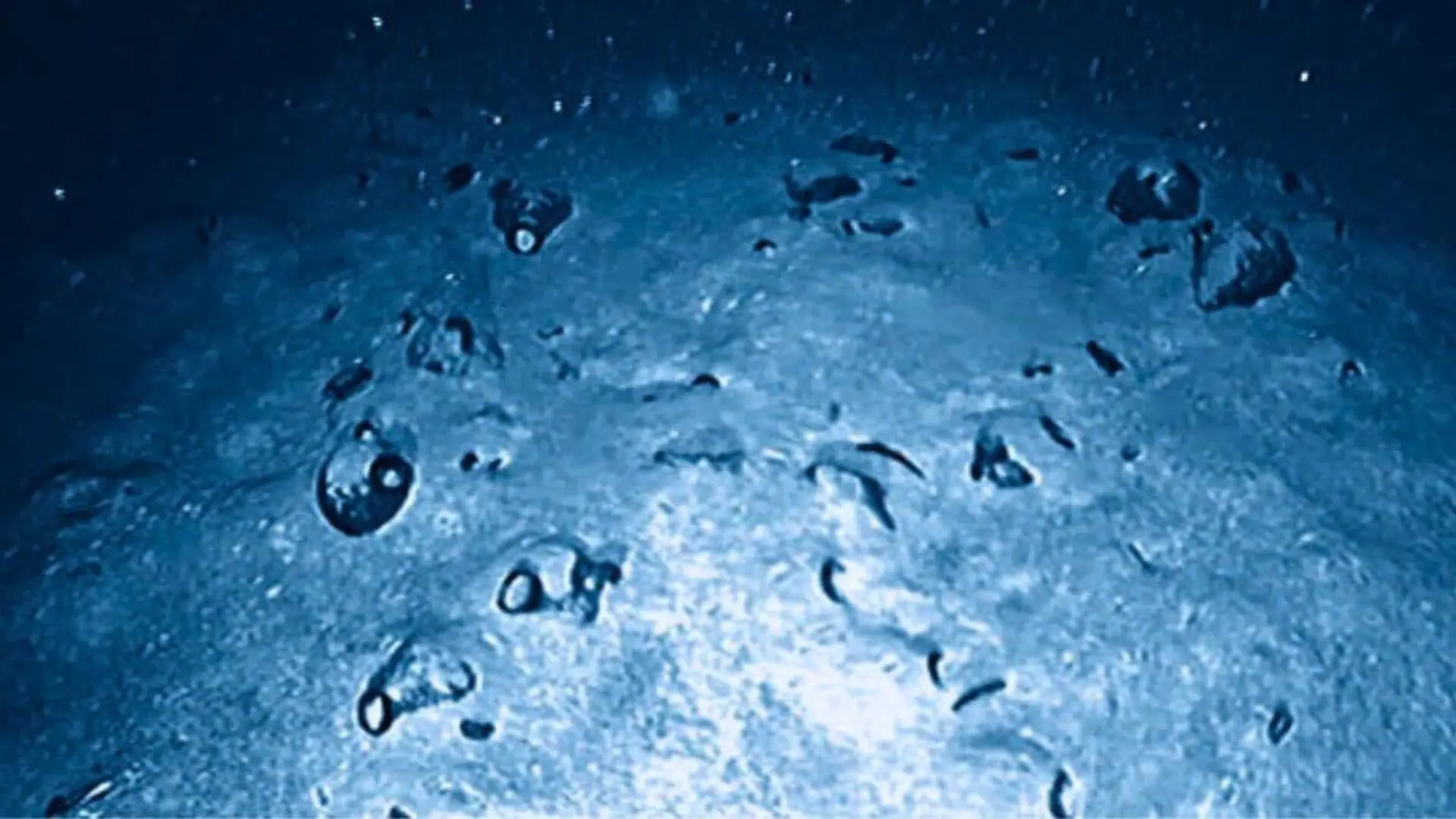
A routine seafloor survey conducted by the energy firm Energean has inadvertently led to an archaeological breakthrough of historic proportions. While scanning the Mediterranean seabed to assess ecological habitats, company sonar detected a massive cluster of artifacts resting 1.8 kilometers beneath the surface, approximately 90 kilometers off the Israeli coast. The discovery has since been identified by the Israel Antiquities Authority (IAA) as a 13th-century BC merchant vessel, marking the oldest deep-sea shipwreck ever found.
Rewriting Maritime History
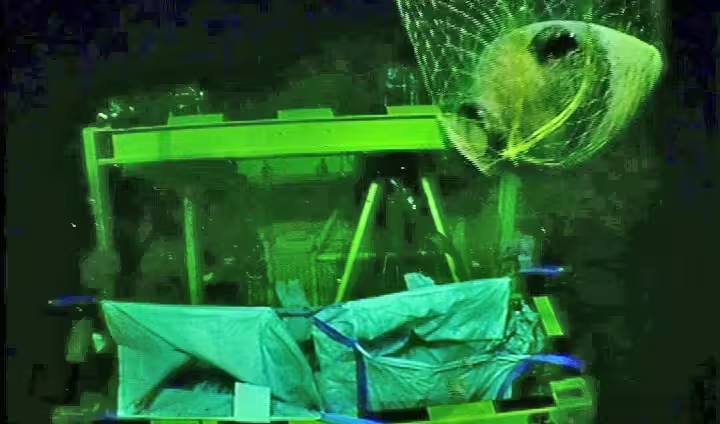
Until this find, experts widely believed that sailors during the Bronze Age navigated exclusively along coastal routes, staying within sight of land. This vessel, laden with hundreds of Canaanite amphorae, challenges that long-standing academic consensus. Recovered by a remotely operated vehicle (ROV) deployed from the Energean Star, the wreckage indicates that ancient mariners possessed the sophisticated navigational skills required to traverse the open ocean using celestial observation.
Jacob Sharvit, the IAA’s director of marine archaeology, described the experience of watching the live feed from the seafloor as profoundly intense. The wreck site, measuring roughly 14 meters by 6 meters, contains a dense collection of identical storage vessels, which experts have dated to between 1400 and 1200 BC based on their distinct, pointed-base design. These pointed bottoms were a functional necessity, allowing the jars to remain stable amidst the rocking motion of a ship at sea.

Preserved in the Abyss
The extreme depth of the site has acted as a protective barrier against modern human interference and natural degradation. Unlike the Uluburun wreck and other known Bronze Age discoveries found in shallower waters, this site has remained undisturbed by currents or recreational divers for over 3,000 years.
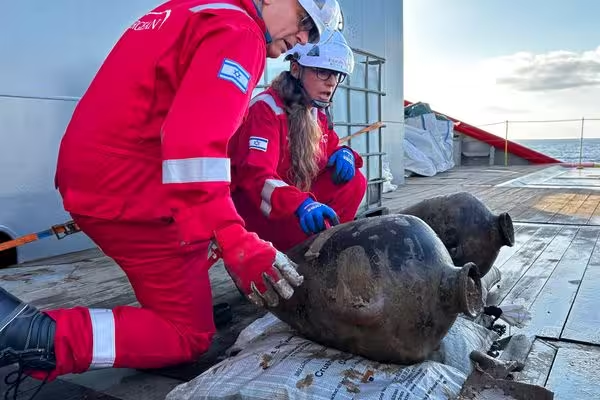
While the ship’s wooden hull remains hidden beneath the sediment, researchers have already successfully retrieved two amphorae for analysis. Scientists are currently performing petrographic and residue testing to determine exactly what these jars once contained—likely wine, oil, or other vital agricultural commodities—and where they were manufactured. Experts like Eric Cline of George Washington University note that the find highlights the hyper-connected, globalized nature of the Late Bronze Age, a period characterized by intense trade and diplomatic exchange between the great powers of the era.
Though the exact cause of the vessel’s demise remains a mystery, researchers suggest that the ship may have succumbed to a sudden storm or a pirate raid. For now, the site stands as a pristine time capsule, offering a rare, fleeting glimpse into the capabilities of ancient sailors who navigated the vast, deep waters long before the dawn of modern technology.
This article has been fact checked for accuracy, with information verified against reputable sources. Learn more about us and our editorial process.
Last reviewed on .
Article history
- Latest version
Reference(s)
- <https://www.iaa.org.il/page_news/page/%D7%AA%D7%92%D7%9C%D7%99%D7%AA-%D7%A0%D7%93%D7%99%D7%A8%D7%94-%D7%94%D7%A1%D7%A4%D7%99%D7%A0%D7%94-%D7%94%D7%A7%D7%93%D7%95%D7%9E%D7%94-%D7%91%D7%99%D7%95%D7%AA%D7%A8-%D7%91%D7%92%D7%95%D7%9C%D7%93%D7%94-%D7%A9%D7%94%D7%AA%D7%92%D7%9C%D7%93%D7%AA%D7%94-%D7%91%D7%99%D7%9D-%D7%94%D7%A2%D7%95%D7%9C%D7%9E%D7%99%D7%A1>.
- Archaeology, Institute. “Uluburun Late Bronze Age Shipwreck Excavation.”, February 23, 2020 The Institute of Nautical Archaeology <https://nauticalarch.org/projects/uluburun-late-bronze-age-shipwreck-excavation/>.
Cite this page:
- Posted by Zara Tariq