Northern Lights Forecast: These US States Could See The Sky Glow Tonight
Favorable solar conditions could bring a stunning display of the Northern Lights to the northern United States this week. Keep an eye on the night sky.
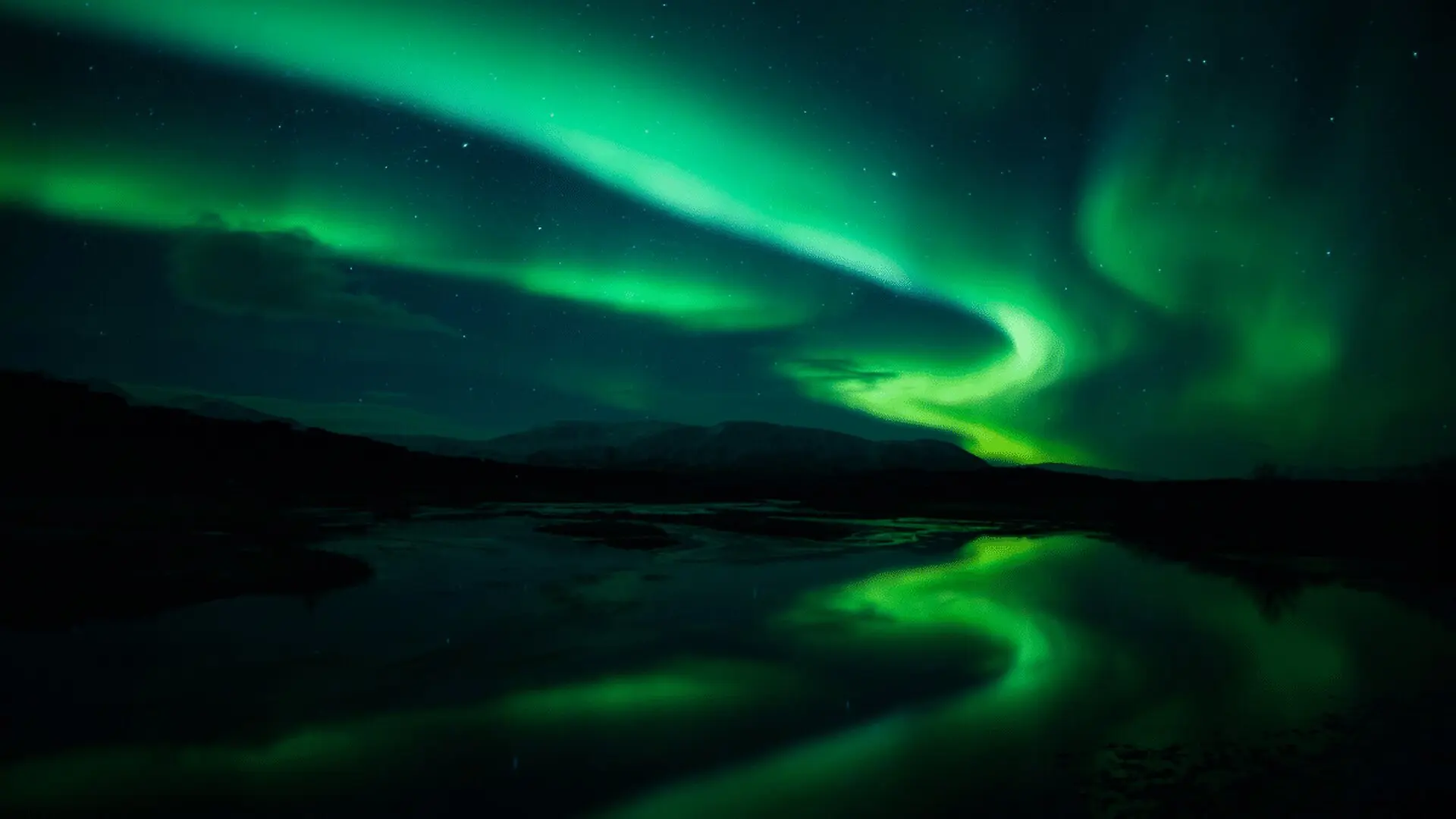
Skywatchers across the northern tier of the United States are on alert as the National Oceanic and Atmospheric Administration (NOAA) reports conditions favorable for a potential aurora borealis display. While geomagnetic activity often remains confined to the Arctic, current space weather models suggest the northern lights could dip into lower latitudes, offering residents in states from Alaska down through the Upper Midwest a window to witness the atmospheric light show.
Tracking the Auroral Reach
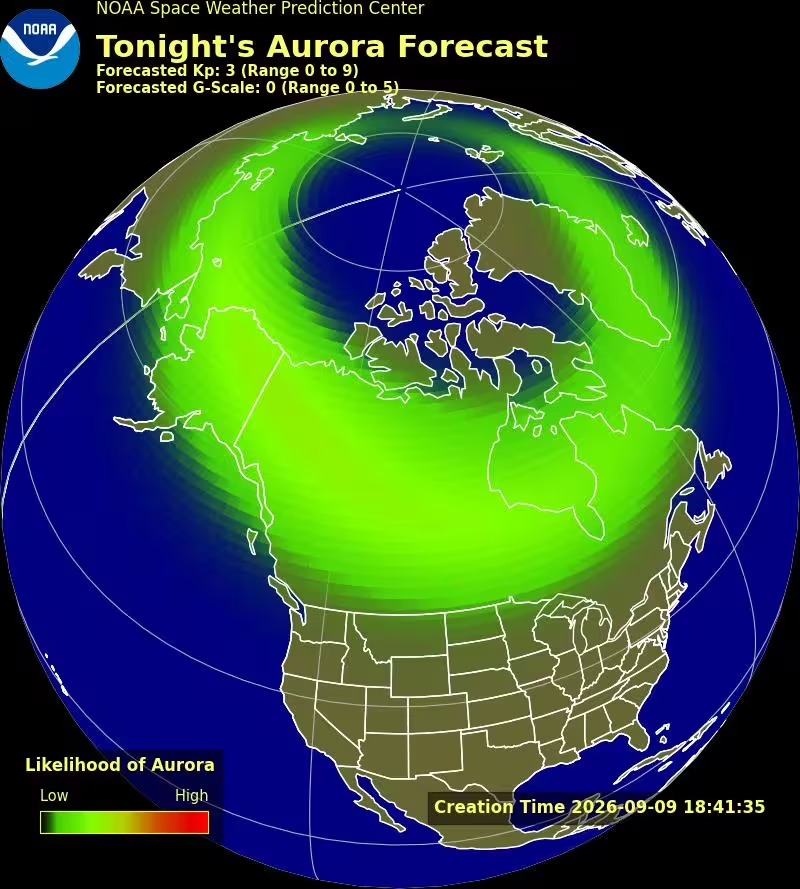
The potential for visibility spans a wide geographical path, though experts caution that an auroral forecast is not a certainty. Alaska remains the most reliable vantage point due to its proximity to the magnetic pole, but the activity could extend into the northern reaches of Washington, Idaho, and Montana. Across the Plains and the Upper Midwest, observers in North Dakota, South Dakota, Minnesota, and Wisconsin may also find themselves under the right conditions to spot the phenomenon.
The intensity of the display is the primary variable. While northern regions might see the vibrant, dancing curtains popularized in photography, viewers at the southern edge of the forecast area should prepare for a more subtle experience. For many, the aurora may appear as a faint, diffuse glow hugging the northern horizon. In some cases, this light is so subtle that it is more easily captured by a long-exposure camera sensor than by the naked eye.
Decoding Space Weather Forecasts
Predictions regarding the aurora are managed by NOAA’s Space Weather Prediction Center (SWPC), which monitors the solar wind—the constant stream of charged particles flowing from the Sun. When these particles collide with Earth’s magnetic field, they are channeled toward the poles, where they strike oxygen and nitrogen atoms in the upper atmosphere. This interaction triggers the release of photons, resulting in the characteristic greens, reds, and purples of the aurora.
Because these solar events are dynamic and can shift rapidly, the SWPC advises that forecasts be checked periodically. While the current outlook covers a broad timeframe, observers must prioritize local sunset and ensure the sky is sufficiently dark. The latest real-time data is available through the NOAA SWPC dashboard, which provides the most accurate viewline models as conditions evolve.
Maximizing Your Viewing Experience
Successfully catching the northern lights requires more than just a favorable forecast; it demands a strategic approach to local conditions. Light pollution is the most significant deterrent, so finding a dark, rural location with an unobstructed view toward the north is essential. Even modest streetlights can wash out the fainter, lower-intensity displays that are common at lower latitudes.
Weather remains the final arbiter of success. Cloud cover acts as an impenetrable barrier to auroral light, necessitating a careful check of local meteorological reports before heading out. Once on-site, experts recommend allowing at least 20 to 30 minutes for eyes to fully adjust to the darkness. Avoiding the glare of mobile phone screens will further improve the ability to detect faint movement or color in the night sky. If the sky remains quiet, patience is key, as geomagnetic activity often arrives in pulses, with intensity fluctuating significantly throughout the night.
This article has been fact checked for accuracy, with information verified against reputable sources. Learn more about us and our editorial process.
Last reviewed on .
Article history
- Latest version
Reference(s)
- “Aurora for Tonight and Tomorrow Night (Experimental) | NOAA / NWS Space Weather Prediction Center.” <https://www.spaceweather.gov/products/aurora-viewline-tonight-and-tomorrow-night-experimental>.
Cite this page:
- Posted by Zara Tariq