New Facial Reconstruction Reveals What the Oldest Known Homo Sapiens Looked Like
Researchers have created a digital facial reconstruction of a Jebel Irhoud hominin, offering a vivid look at what humans looked like 315,000 years ago.
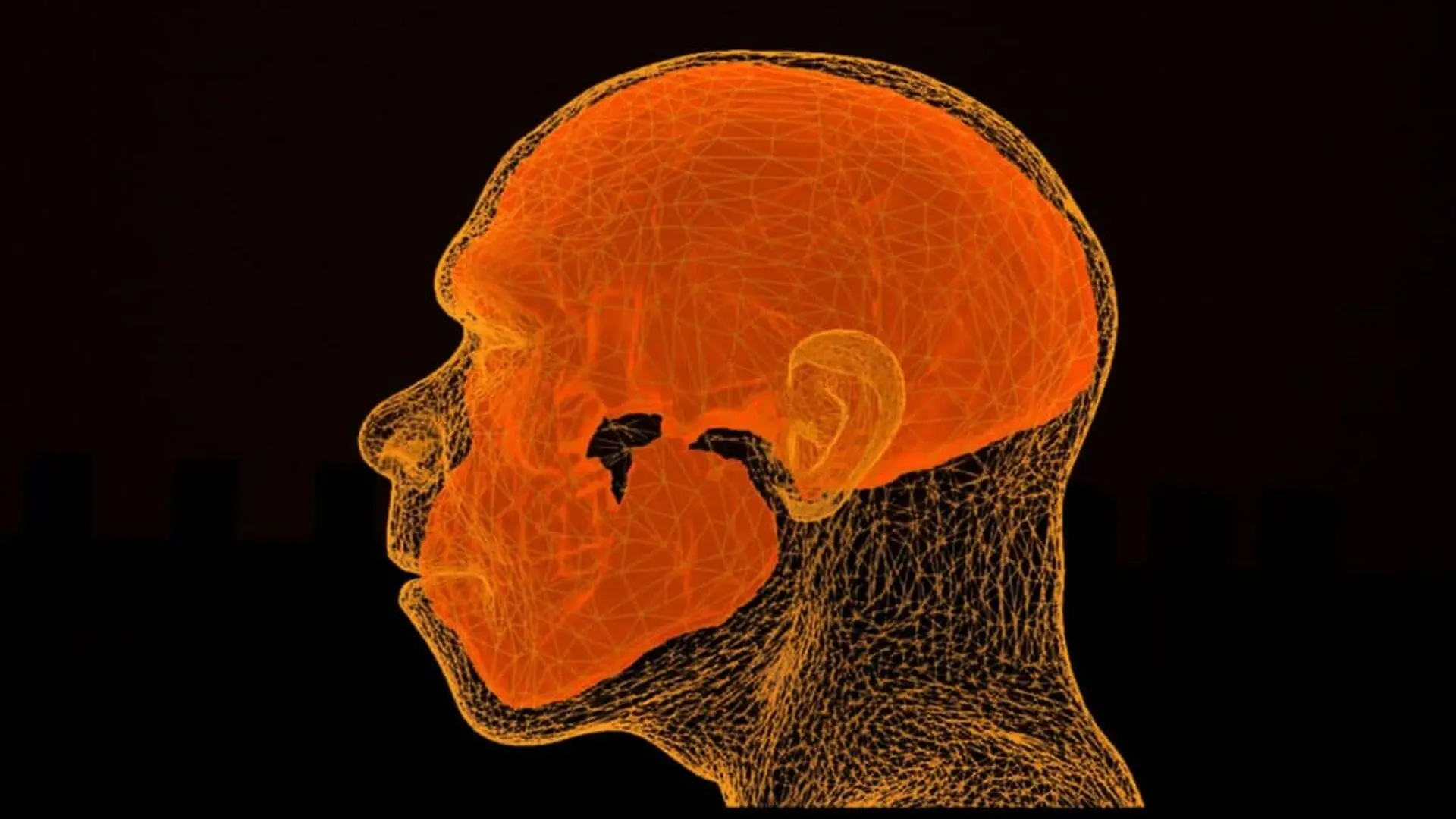
New insights into the appearance of our earliest known Homo sapiens ancestors have emerged following a sophisticated digital reconstruction of fossils from Jebel Irhoud, Morocco. While these remains have long been central to debates regarding human origins, a recent study published in Heritage leverages modern forensic techniques to provide a tangible look at what these ancient individuals might have looked like.
Building a Digital Ancestor
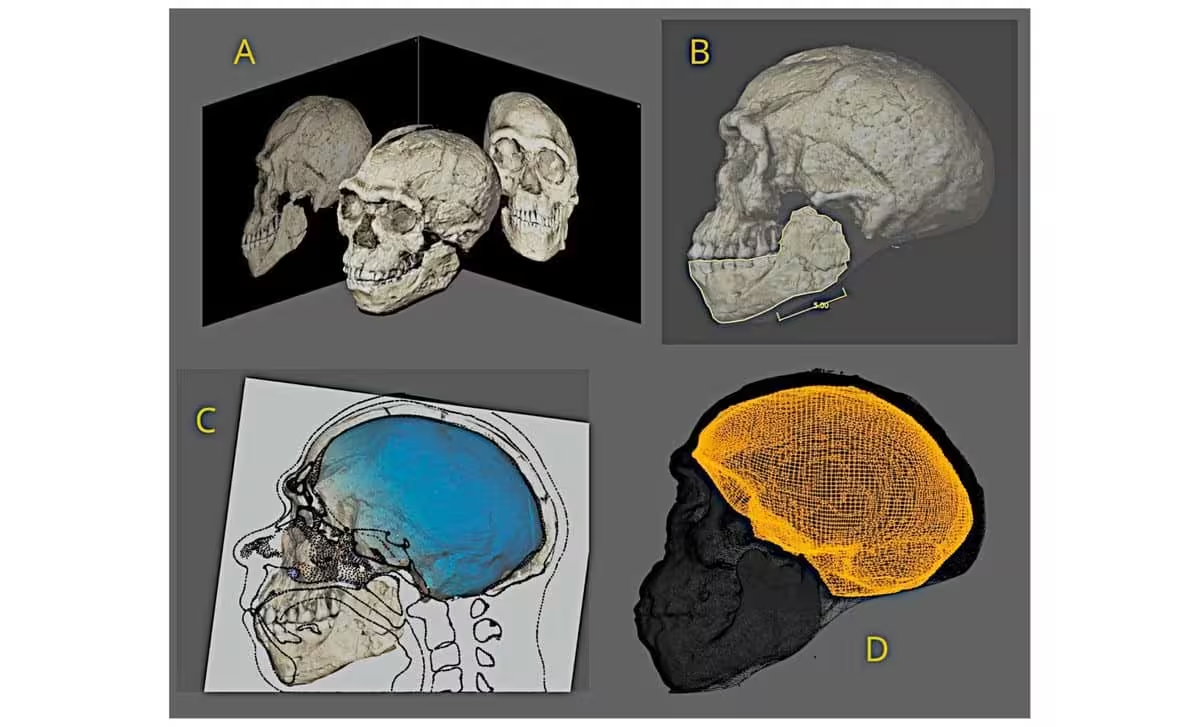
The reconstruction process relied on a composite skull model derived from the Jebel Irhoud Layer 7 site. The primary structural foundation is the Irhoud 1 fossil, discovered in 1961, which provides the majority of the braincase and upper facial architecture. To address gaps in the remains, researchers integrated the mandible from Irhoud 11 alongside additional cranial fragments labeled Irhoud 10, 21, and 22. Experts assert that because these specimens originate from the same archaeological layer and population, they are sufficiently compatible to form a representative composite.
The team utilized data provided by the Max Planck Institute for Evolutionary Anthropology to generate the model through photogrammetry. To account for soft tissues, researchers employed a technique known as constrained anatomical deformation. By applying this method to a computed tomography (CT) scan of a modern adult donor, the team was able to map skin and muscle onto the underlying bone structure while strictly adhering to the fossil’s original cranial constraints.
Scientific Rigor Meets Artistic Interpretation
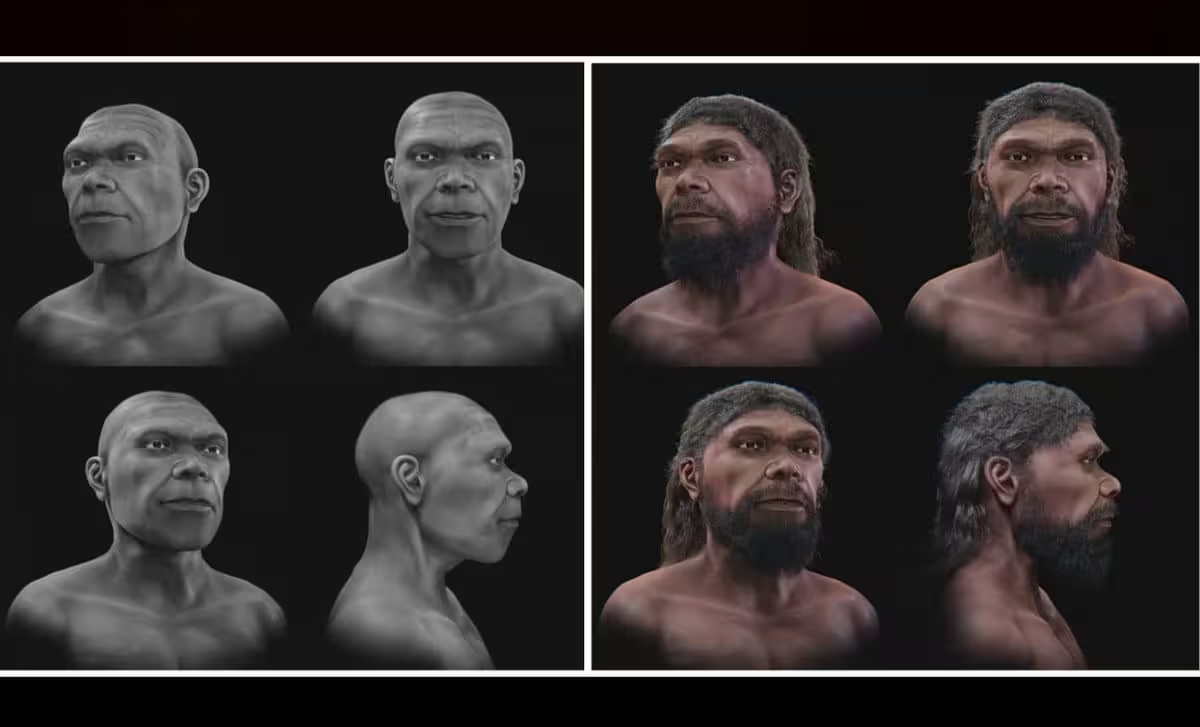
The researchers were careful to distinguish between the scientifically backed skeletal structure and speculative artistic choices. Two versions were produced: a neutral, grayscale model intended for anatomical study, and a rendered version featuring skin, hair, and beard. The authors acknowledge that while the former is rooted in craniofacial data, the latter involves subjective aesthetic decisions not directly supported by fossil evidence.
The endocranial volume of the model was measured at 1,364 milliliters, a figure that aligns with previous assessments of the Irhoud 1 specimen, which have historically fluctuated between 1,305 and 1,480 milliliters. By opting to use soft-tissue parameters from modern populations of African ancestry, the team sought to respect the geographic and evolutionary context of the specimen.
Establishing Transparent Methodologies
Beyond the biological implications, the project serves as a demonstration of open-source forensic workflows in paleoanthropology. Using tools like Blender, the team aimed to create a reproducible process that allows the broader scientific community to verify and build upon their findings. While the resulting images offer a compelling glimpse into the Middle Pleistocene, the researchers emphasize that this is a plausible approximation rather than an exact historical portrait, necessitated by the reality that soft-tissue data from such an ancient epoch simply does not exist.
This article has been fact checked for accuracy, with information verified against reputable sources. Learn more about us and our editorial process.
Last reviewed on .
Article history
- Latest version
Cite this page:
- Posted by Zara Tariq