How a Misread 1900 Storm Sparked Modern Hurricane Warnings and a Massive Seawall
A deadly storm ravaged Galveston, sealing escape routes and prompting a seismic shift in U.S. hurricane preparedness.
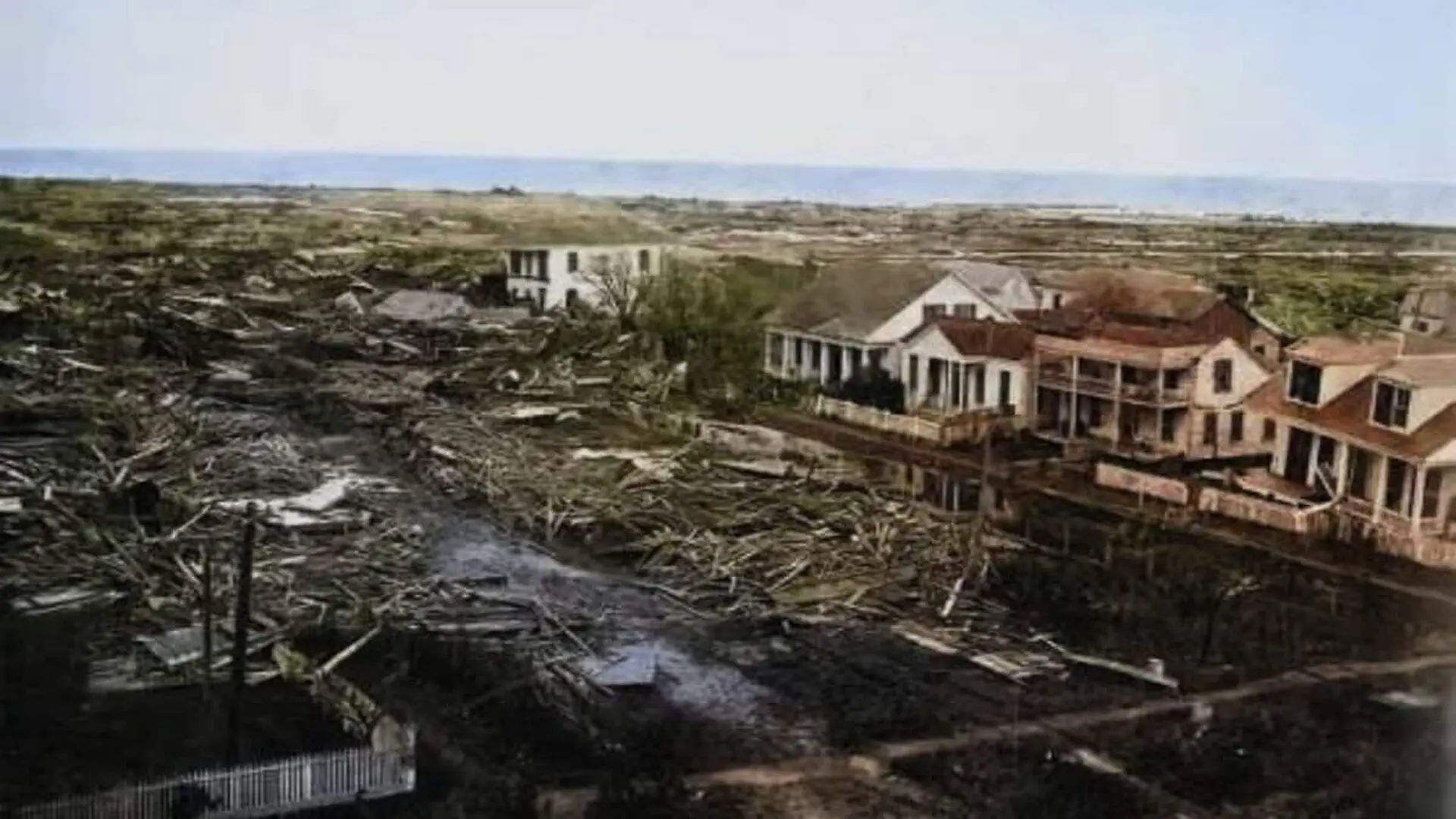
In the late afternoon of September 8, 1900, the surge from a massive hurricane surged onto Galveston Island, quickly inundating streets, homes, and businesses. By nightfall, water levels reached roughly fifteen feet, submerging the entire city and claiming thousands of lives.
Rapid Inundation Leaves City Underwater
At about 6:30 p.m., a sudden four‑foot wave thrust the Gulf water deeper into the island, collapsing structures nearest the shore and sending debris tumbling through the flooded streets. The Texas State Historical Association records that the flood’s depth peaked at approximately fifteen feet, and that the tide did not begin receding until around 10 p.m.
By the following morning, the devastation was complete. Estimates suggest that between six thousand and eight thousand residents perished on the island itself, while the total death toll for the broader area may have reached ten to twelve thousand. Sixteen vessels anchored in Galveston’s harbor suffered severe damage, and many neighborhoods were erased by the water.
Early Storm Tracking Hampered by Sparse Data
The hurricane was first noted on August 30 near 15° N, 63° W. By September 4, observers in Galveston knew the system was moving over Cuba, yet communication gaps persisted because ships at sea could not transmit observations via telegraph. Consequently, forecasters worked with incomplete information.
On September 7, Washington issued a storm warning for Galveston. The next morning, rain fell and Gulf water began spilling into alleys and yards, signaling the approach of the disaster.
Isaac M. Cline’s Last‑Minute Alerts
Weather Bureau official Isaac M. Cline took to the streets in a horse‑drawn carriage, urging residents in low‑lying districts to seek higher ground and sturdier buildings. As bridges to the mainland failed, only a few managed to evacuate before the island became isolated.
The federal warning system added confusion: officials initially expected the storm to strike east of Galveston. Cline recognized a shift in the hurricane’s trajectory from local observations and attempted to relay this information via a telephone call to Houston, hoping the message could reach Washington. Shortly thereafter, telephone service collapsed, leaving Cline to continue raising the hurricane flag and issuing warnings as conditions worsened.
Wind Forces Measured Before Instruments Failed
Prior to its destruction at 5:15 p.m., the Weather Bureau’s anemometer logged an average wind speed of eighty‑four mph over a five‑minute interval. Gusts peaked at one hundred mph, and later analyses suggest sustained winds exceeding one hundred twenty mph.
Although the wind was ferocious, the flood proved the greater killer. The rapid rise of water overwhelmed structures, and floating debris battered buildings further inland, contributing to the total collapse of the city.
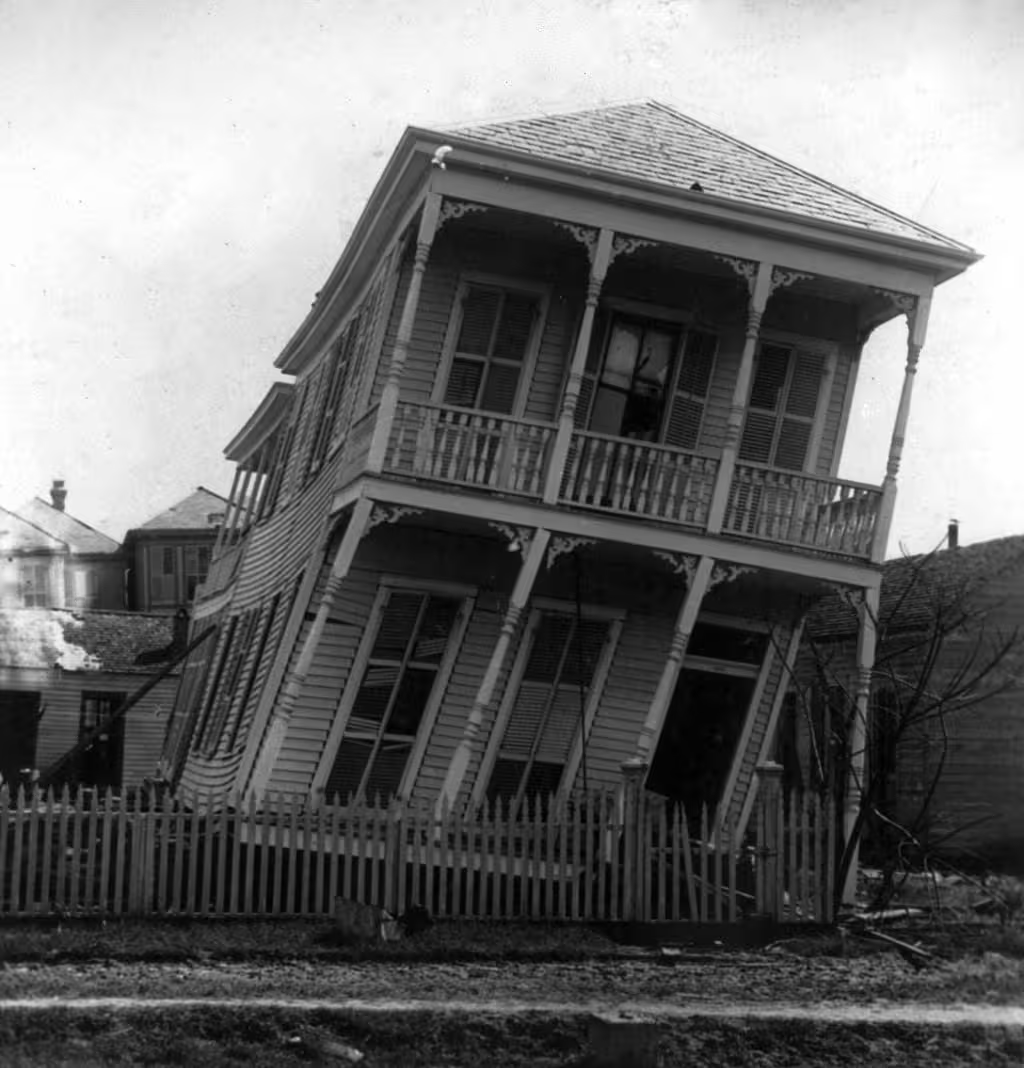
Aftermath Prompted Reforms in Weather Warning Practices
The breakdown of communications and the concentration of warning authority in Washington spurred changes within the Weather Bureau. Cline’s official report helped drive a shift that granted regional offices the power to issue alerts without awaiting central approval, a reform highlighted by the Saturday Evening Post.
The National Weather Service now preserves the Galveston storm and Cline’s experience as a pivotal chapter in the evolution of U.S. weather forecasting and warning systems.
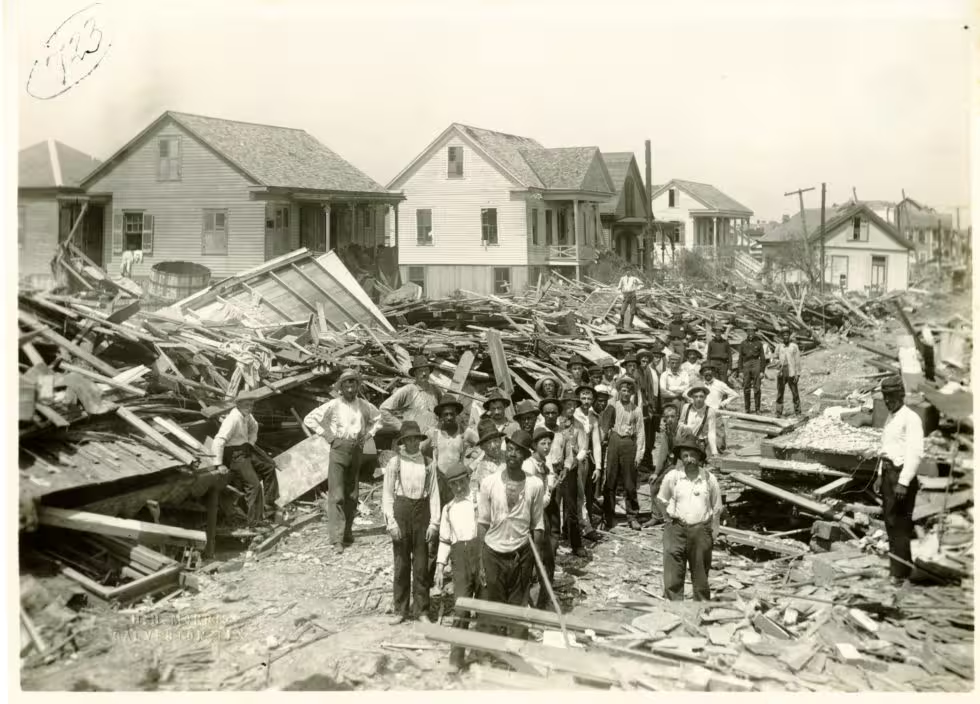
Engineering the Island: Raising the Ground and Building a Seawall
Rather than simply rebuilding, engineers reshaped Galveston after the catastrophe. Sand dredged from the Gulf floor lifted parts of the island by up to seventeen feet. In preparation, crews elevated two thousand one hundred forty‑six buildings, along with streetcar tracks, fireplugs, and water pipes.
A three‑thousand‑ton church was hoisted five feet with jacks before sand was pumped beneath it. Construction of a protective seawall began in 1902; the original three‑point‑three‑mile segment, standing seventeen feet high, was completed in 1904, later extended to guard against future storms.
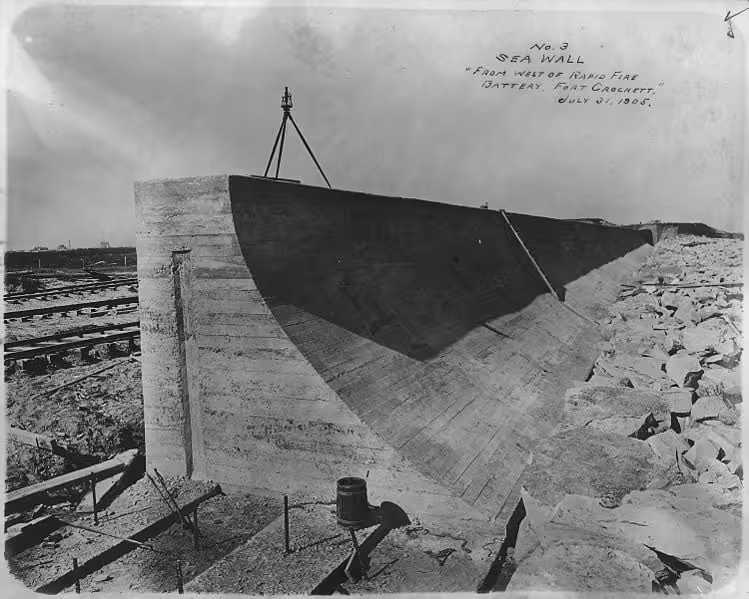
The seawall proved its worth during the 1915 hurricane, shielding the city from further devastation. Today, a bronze sculpture titled “1900 Storm Memorial” by David Moore, installed in 2000, commemorates the disaster and the engineering feats that reshaped Galveston.
This article has been fact checked for accuracy, with information verified against reputable sources. Learn more about us and our editorial process.
Last reviewed on .
Article history
- Latest version
Cite this page:
- Posted by Zara Tariq