How a Forgotten German Dynasty Came to Rule Almost Every Royal House in Europe
From humble medieval German origins, the House of Oldenburg rose to become one of Europe’s most influential royal dynasties with a lasting modern legacy.
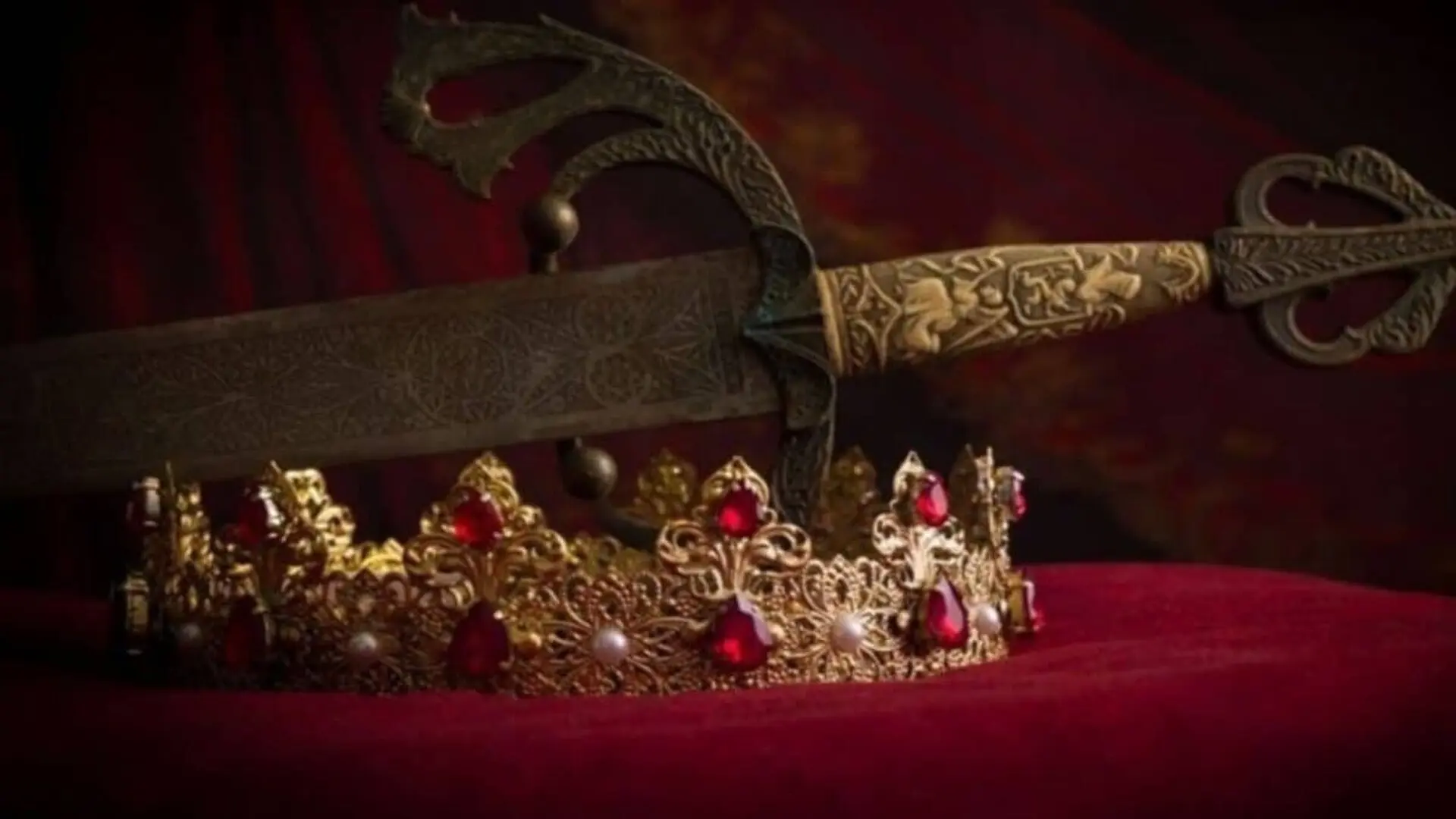
Deep within the marshy landscapes of northwestern Germany, a minor medieval noble began a lineage that would eventually reshape the political map of Europe. More than nine centuries after he first appeared in the historical record, the descendants of Egilmar I—the progenitor of the House of Oldenburg—can be traced to the thrones of Denmark, Norway, Sweden, Russia, Greece, and the United Kingdom.
Historical documentation first identifies Egilmar I in 1091, when he served as a witness to a legal decree issued by the Archbishop of Hamburg-Bremen. Governing a modest territory near the River Hunte, positioned between the regions of Saxony and Frisia, Egilmar established a base that would become the family’s namesake. Around 1100, the construction of Oldenburg Castle, a fortified structure protected by a moated perimeter, solidified the family’s strategic influence over trade routes linking East Frisia and Westphalia.
The Ascent to Continental Power
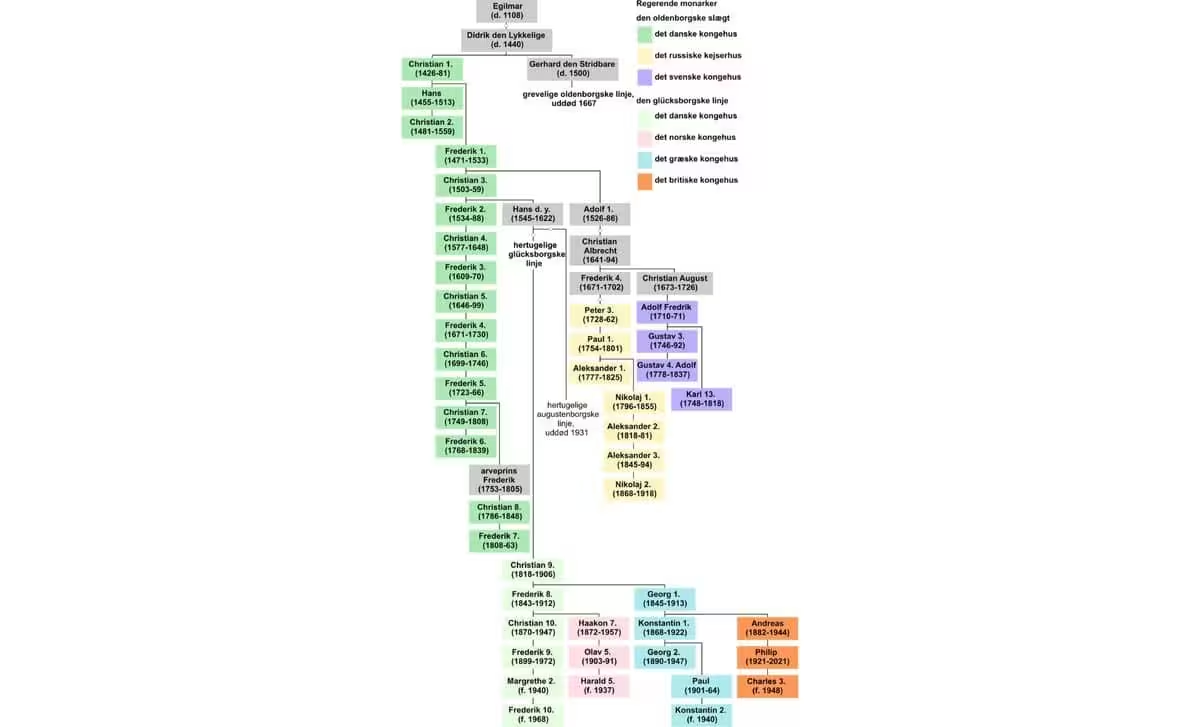
The transition from regional counts to international monarchs occurred in 1448. Following the childless death of Christopher of Bavaria, Count Christian of Oldenburg was elected King of Denmark. His path to the crown was secured through the political backing of his uncle, Adolf VIII of Holstein, and his own lineage through his mother, Hedwig of Holstein. By 1450, Christian had ascended the throne of Norway, and in 1457, he became King of Sweden, effectively consolidating power within the Kalmar Union.
As the centuries passed, the dynasty splintered into various branches, each extending the family’s reach across the continent. The Holstein-Gottorp line, for example, dominated the Swedish monarchy from 1751 to 1818 and established a long-standing foothold in Russia through Peter III. That branch produced several tsars, including the final Russian emperor, Nicholas II, ruling under the Romanov-Holstein-Gottorp name until the revolution of 1917.
Architects of Modern European Royalty
Perhaps the most significant branch for the modern era is the House of Schleswig-Holstein-Sonderburg-Glücksburg. When Christian IX assumed the Danish throne in 1863, his prolific family connections earned him the moniker, “the father-in-law of Europe.” His children married into several of the continent’s most powerful royal houses, embedding the Oldenburg bloodline into the foundations of modern monarchies.
The ripples of these marriages are still visible today. Britain’s King Charles III traces his Oldenburg roots through his father, Prince Philip, whose lineage connects to the Greek royal house. Similarly, Denmark’s King Frederik X maintains a direct connection through his mother, Queen Margrethe II, while Spain’s King Felipe VI shares this ancestral link through his mother, Queen Sofía. As detailed by La Brújula Verde, even as specific royal names and dynasties have shifted—often to obscure their Germanic origins due to political tensions like those seen in the 20th century—the Oldenburg lineage remains an invisible thread connecting Europe’s reigning houses.
On 17th July in 1917, King George V changed the name of the British Royal Family from the German-sounding House of Saxe-Coburg-Gotha to the House of Windsor because of anti-German feelings during WWI.
— Dr. M.F. Khan (@Dr_TheHistories) July 17, 2025
The House of Windsor is named after Windsor Castle and is the current royal… pic.twitter.com/dvbAvCCaVt
Although the physical site of the original stronghold in Oldenburg has been transformed into a museum, the dynasty’s legacy persists. The dynasty that began in the remote, flooded marshlands of the 11th century has proven remarkably resilient, ensuring that the legacy of a small-scale count remains a cornerstone of European history.
This article has been fact checked for accuracy, with information verified against reputable sources. Learn more about us and our editorial process.
Last reviewed on .
Article history
- Latest version
Reference(s)
- <https://www.labrujulaverde.com/en/2026/10/all-of-todays-european-monarchs-are-descended-from-a-family-youve-never-heard-of-the-oldenburgs/>.
- “https://twitter.com/Dr_TheHistories/status/1945745516400087211/photo/1.” <https://t.co/dvbAvCCaVt>.
Cite this page:
- Posted by Zara Tariq