Scientists May Have Finally Found a Face for the Mysterious Denisovan Human Lineage
A child’s finger bone and a long-hidden skull have revealed a startling, unexpected link between two distinct chapters of human history.
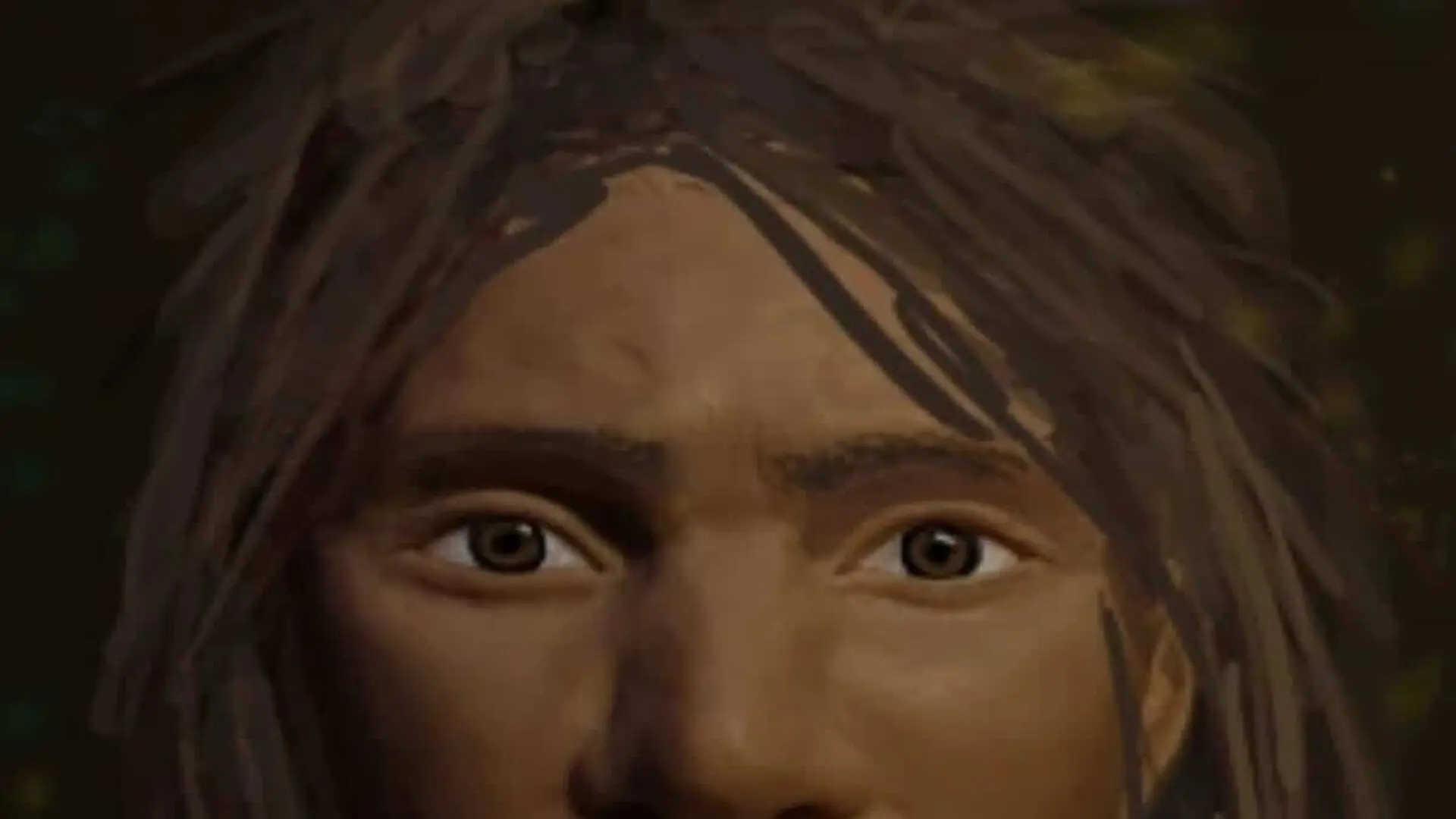
A mysterious group of ancient humans, previously known only through sparse genetic traces and fragments of bone, may finally have a recognizable face. Scientists have successfully extracted mitochondrial DNA from mineralized dental plaque found on the molar of the Harbin skull—a massive, remarkably well-preserved fossil discovered in northeastern China and colloquially known as Dragon Man.
This genetic breakthrough, highlighted in reports from All That’s Interesting, bridges a significant gap in human evolution. It links a singular, nearly complete cranium with the elusive Denisovans, a lineage first identified in 2008 from a tiny piece of a child’s finger found in Siberia’s Denisova Cave.
From a Single Bone to a Lost Species
The discovery of the Denisovans transformed our understanding of human history. When researchers at the Max Planck Institute for Evolutionary Anthropology analyzed the ancient DNA from the Siberian finger bone, they discovered a genetic signature that was distinctly human, yet neither Neanderthal nor Homo sapiens. As paleoanthropologist Ella Al-Shamahi noted in a NOVA production, researchers realized they had unexpectedly encountered an entirely undocumented branch of the human family tree.
While subsequent studies revealed that these archaic humans interbred with the ancestors of modern populations in Asia and Oceania, the physical evidence remained frustratingly limited. Scientists could map the Denisovan genetic legacy across the globe, but they lacked a definitive skull to characterize their physical appearance, leaving a major void in the fossil record.
The Hidden Clue in Dragon Man’s Tooth
The Harbin skull, also designated Homo longi, possesses a complex history. Unearthed by a laborer in 1933 and concealed for decades, the specimen only entered the scientific record in 2018 after being donated to Hebei GEO University. The cranium is striking, featuring a heavy brow ridge, massive eye sockets, and a elongated, broad braincase, as detailed by Science.

Attempts to extract DNA directly from the bone initially proved unsuccessful. However, by turning to the hardened calcified plaque on the skull’s remaining tooth, investigators successfully recovered mitochondrial DNA that aligns with the Denisovan profile. This connection effectively provides a potential anatomical identity to a group previously defined almost entirely by its genetic code.
Defining the Limits of the Discovery
While the link between the Harbin specimen and the Denisovan lineage is a landmark moment, experts caution against assuming this single individual represents the entire phenotypic range of the group. Denisovans occupied a vast geographic range over a significant period, likely exhibiting a diverse array of physical traits as they adapted to different environments and engaged in interbreeding with other hominin groups.
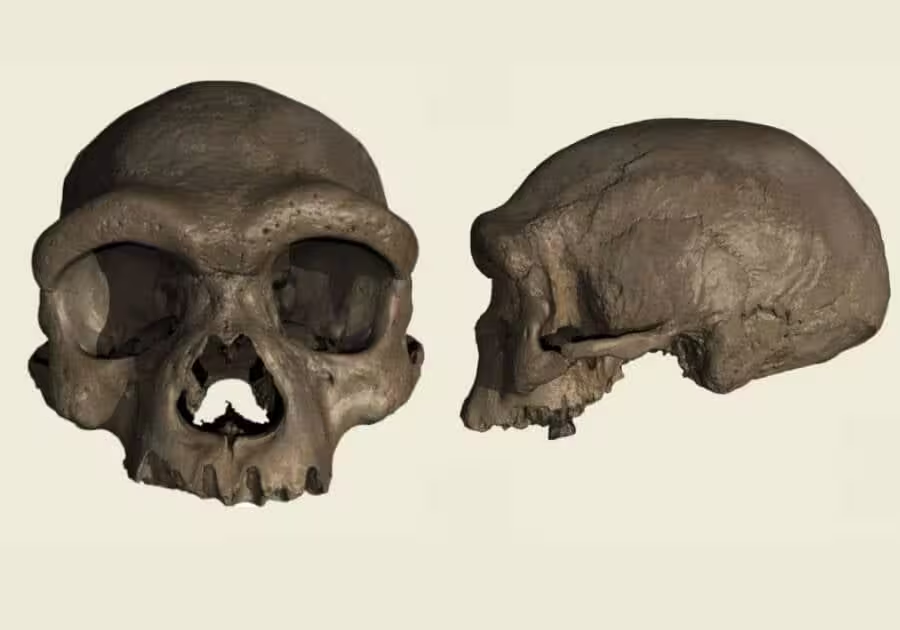
The discovery remains one of the most unconventional narratives in modern paleoanthropology. It reverses the standard investigative process: rather than locating a skull and verifying its ancestry, scientists identified a genetic population in the lab and spent years searching for its physical counterpart. For now, the Harbin skull serves as a critical, tangible anchor in the study of human evolution, helping researchers piece together the complex identity of a lost relative.
This article has been fact checked for accuracy, with information verified against reputable sources. Learn more about us and our editorial process.
Last reviewed on .
Article history
- Latest version
Cite this page:
- Posted by Vikram Desai