China Is Building a $167 Billion Mega Dam That Dwarfs the Three Gorges Project
Engineers are tackling a colossal hydroelectric project on a Himalayan river that rivals the capacity of three Three Gorges Dams in a feat of engineering.
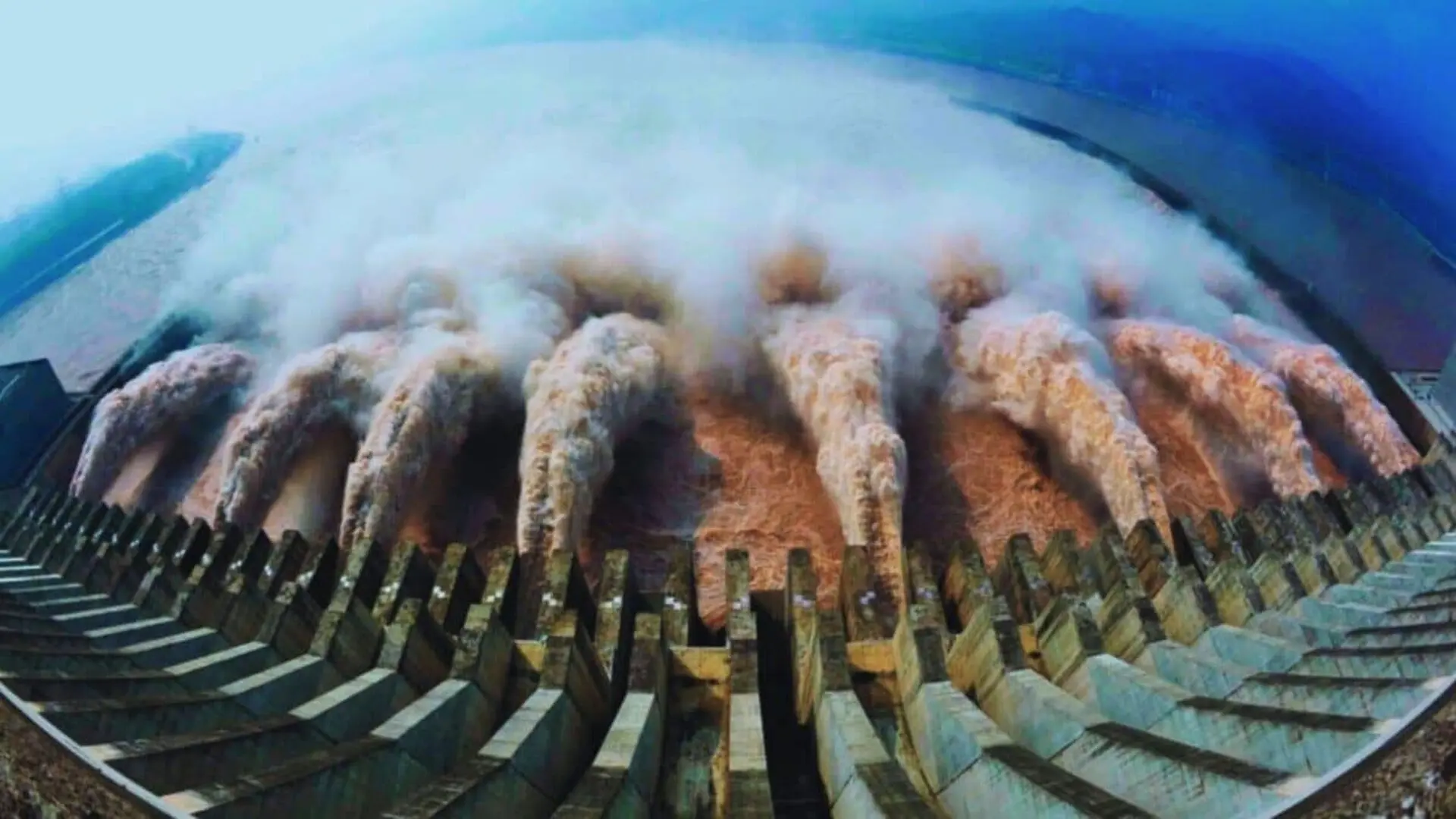
In a move described by Beijing as the defining infrastructure initiative of the century, Chinese Prime Minister Li Qiang officially inaugurated the Medog Hydropower Project in July 2025. Speaking from the Tibetan city of Nyingchi, leadership unveiled plans for a sprawling complex of five dams along the lower reaches of the Yarlung Tsangpo River. Once completed, the facility is projected to generate an unprecedented 300 billion kilowatt-hours (kWh) of electricity annually, dwarfing the output of the Three Gorges Dam—currently the world’s largest hydroelectric station—by a factor of three.
The endeavor, estimated to cost 1.2 trillion yuan (approximately $167 billion), is expected to take at least a decade to bring to fruition. To manage the massive logistical and engineering requirements, the government has established a specialized state entity, the China Yajiang Group, according to reports from the official Xinhua News Agency.
Engineering a Geologic Powerhouse
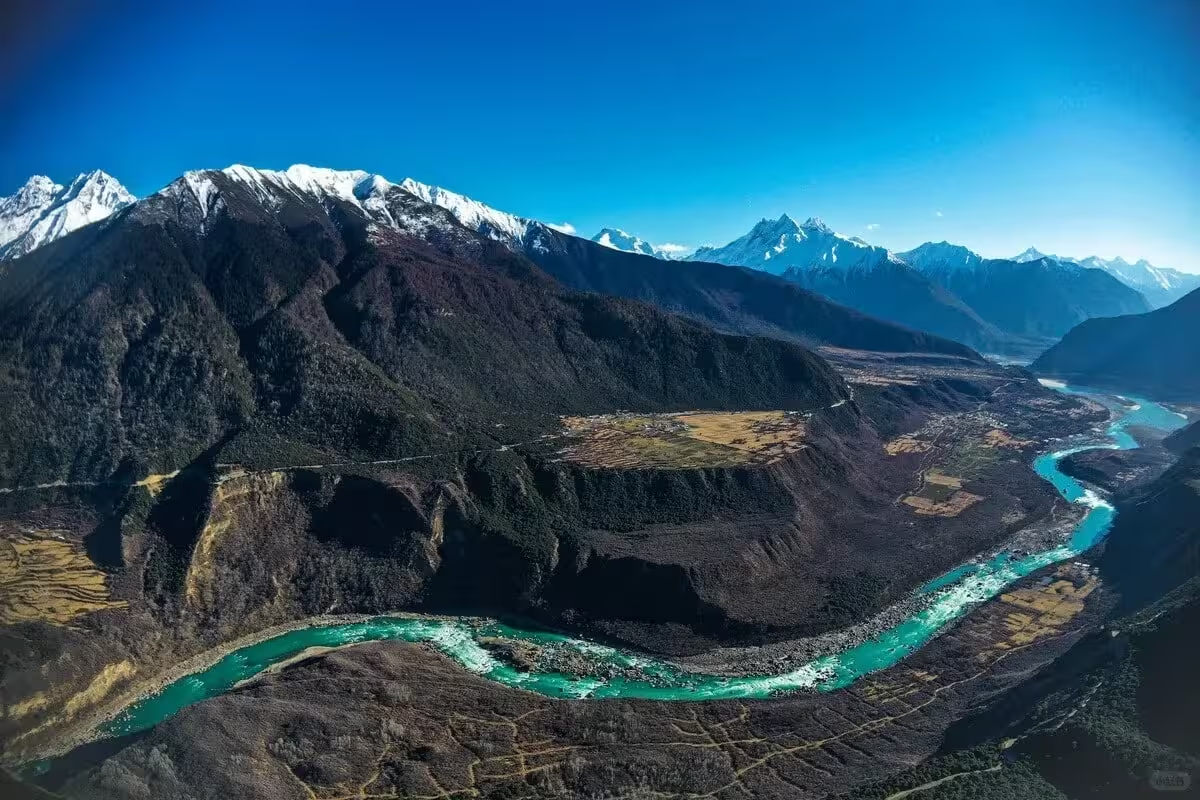
The project’s strategic location centers on the “Great Bend,” a dramatic geological feature where the Yarlung Tsangpo makes a sharp U-turn around the peaks of Gyala Peri and Namcha Barwa. Originating near Mount Kailash on the Tibetan Plateau, the river descends more than 2,000 meters over a mere 50-kilometer stretch. This extreme gradient offers a concentration of hydropower potential unmatched almost anywhere on Earth. Rather than erecting a single wall, engineers intend to utilize a series of five stations, channeling the water through a network of tunnels and turbines to maximize energy capture.
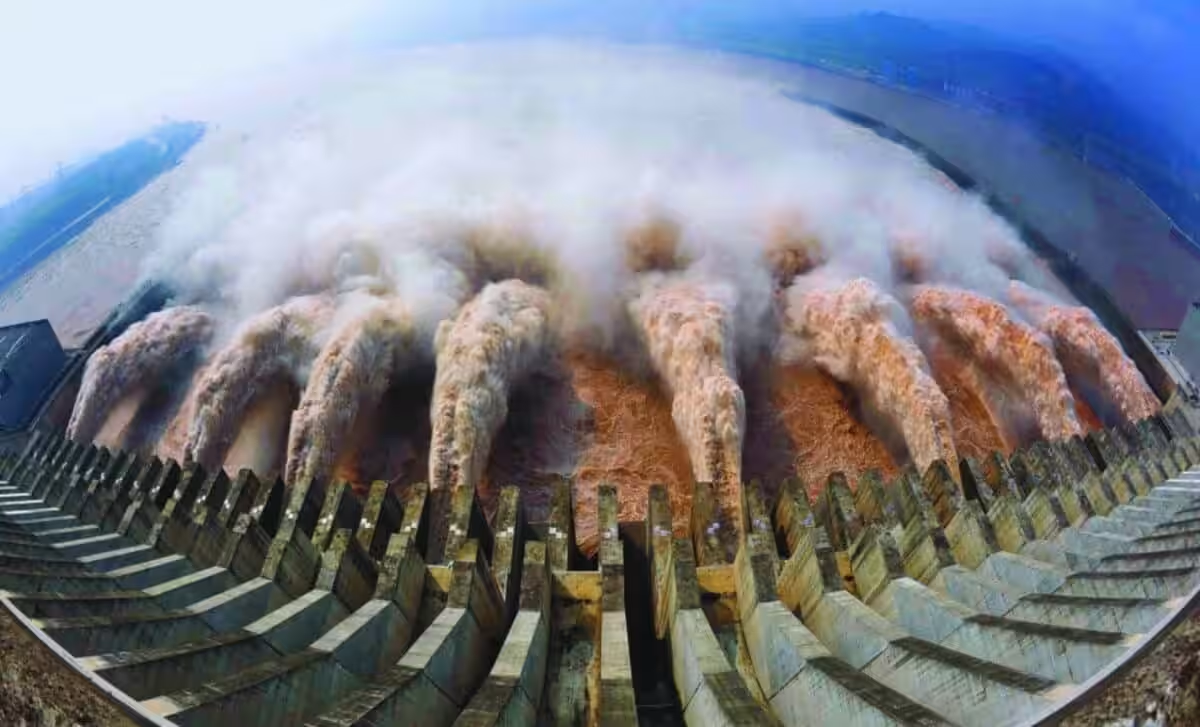
The electricity generated is not intended for the local Tibetan grid. Instead, it serves as the backbone of China’s “West-to-East Power Transmission” strategy. With traditional, cost-effective dam sites in Sichuan and Yunnan nearing their maximum capacity, developers have turned their attention to the rivers of the Tibetan Plateau, which are estimated to hold over 110 gigawatts of untapped hydropower potential.
International Tensions and Downstream Concerns
As the Yarlung Tsangpo flows beyond the Great Bend, it crosses into India as the Brahmaputra and continues into Bangladesh as the Jamuna. The river acts as a vital artery for millions, supporting essential agriculture and ecosystems. This cross-border reach has ignited diplomatic friction. While Beijing’s Foreign Ministry maintained in December 2024 that the project would have no negative impact on downstream nations, India’s Ministry of External Affairs confirmed in early 2025 that it would closely monitor the situation to protect its national interests.
China is not a signatory to the 1997 UN Convention on the Law of Non-Navigational Uses of International Watercourses and maintains strict controls over the sharing of hydrological data, leaving downstream neighbors with few formal mechanisms to address potential disruptions to the river’s flow.
Social and Environmental Costs
The Medog project is merely the latest, albeit the largest, in a rapid expansion of infrastructure across the region. A 2024 report by the International Campaign for Tibet (ICT) identified at least 193 dams built or planned in Tibet since 2000. These projects have necessitated the mass displacement of local populations, with conservative estimates suggesting that 750,000 to 1.2 million people have been, or will be, forced to relocate.
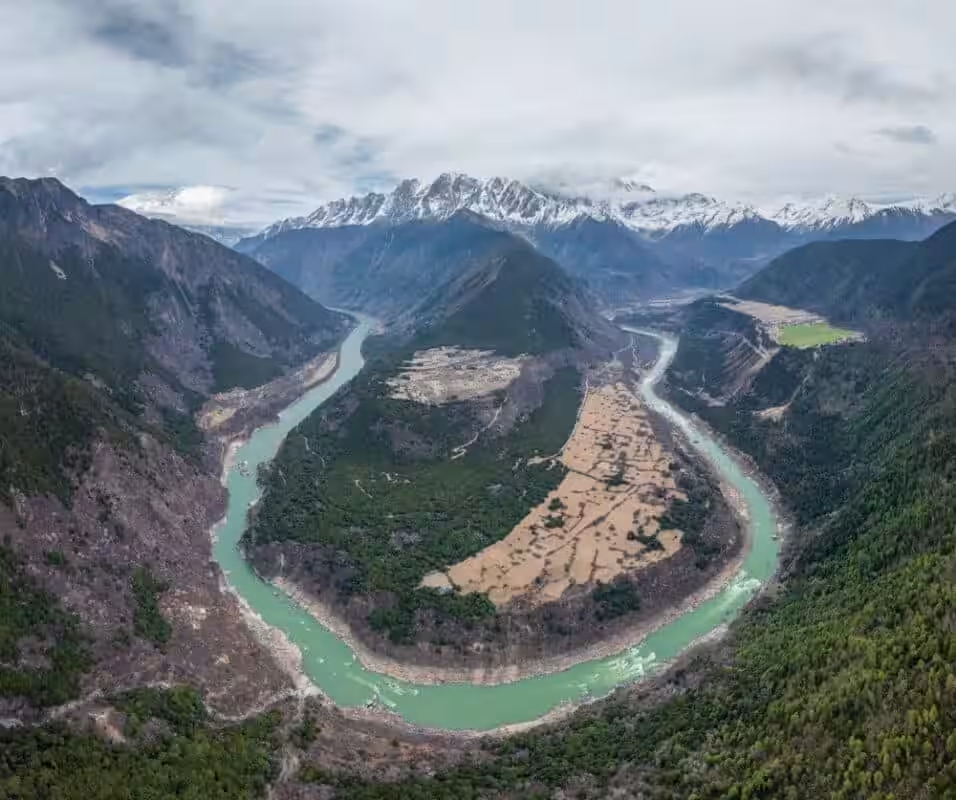
Geological instability poses an additional threat. The Yarlung Tsangpo Grand Canyon is a biodiversity hotspot, home to a significant percentage of China’s endemic species, yet it sits atop active fault lines. A 6.8-magnitude earthquake in January 2025 highlighted the seismic risks, which experts argue complicate the safety of such large-scale structures. Furthermore, rising temperatures are accelerating glacial melt, leading to an increase in dangerous glacial lake outburst floods that could jeopardize the integrity of the proposed dams.
This article has been fact checked for accuracy, with information verified against reputable sources. Learn more about us and our editorial process.
Last reviewed on .
Article history
- Latest version
Cite this page:
- Posted by Vikram Desai