Massive Ancient Roman Roadside Station Discovered Using Non Invasive Technology
A geophysical survey in southern Spain has uncovered a 1,290-square-meter Roman roadside building likely used as an official stop between Córdoba and Mérida.
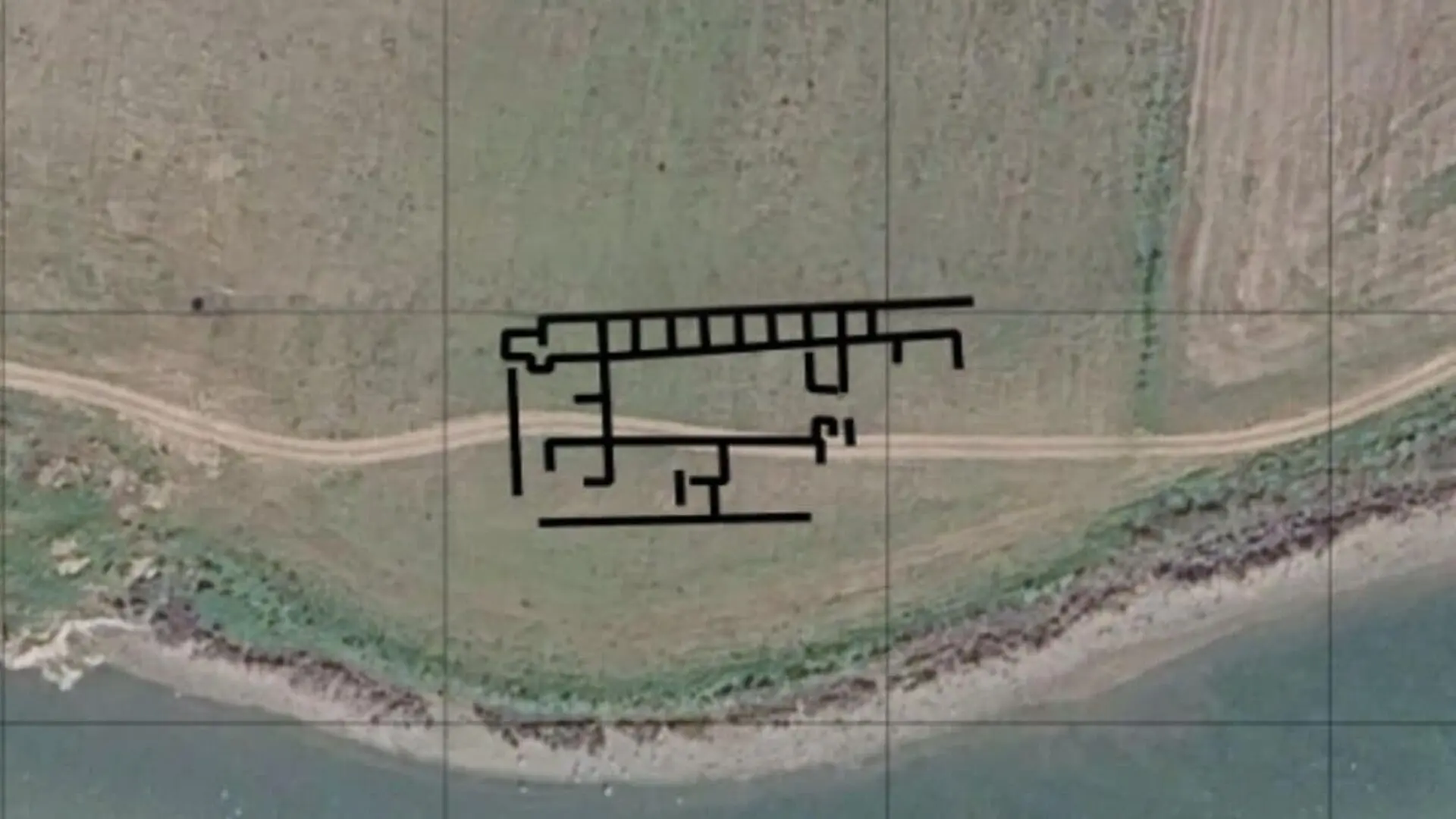
Researchers from the University of Córdoba have unveiled the discovery of a substantial Roman structure hidden beneath the soil near the ancient site of Mellaria in Spain’s Córdoba province. Using advanced non-invasive geomagnetic mapping, the team identified a 1,290-square-meter complex that served as a critical node in the empire’s vast transit infrastructure.
The study, led by the university’s HUM 1150-Patricia unit as part of the Ager Mellariensis project, utilized magnetic property analysis to visualize the site’s layout between 2021 and 2023. The data reveals a 48-meter-long building positioned strategically alongside a major Roman thoroughfare that once linked Corduba, the provincial capital of Baetica, to Emerita Augusta in Lusitania.
Mapping the Ancient Network
The findings, detailed in a recent publication in the Journal of Archaeological Science: Reports, indicate the building served as a mansio—a formal roadside station designed to provide lodging and essential supplies to official travelers, couriers, and military personnel moving through the cursus publicus, the Roman state’s sophisticated transportation and communications system.
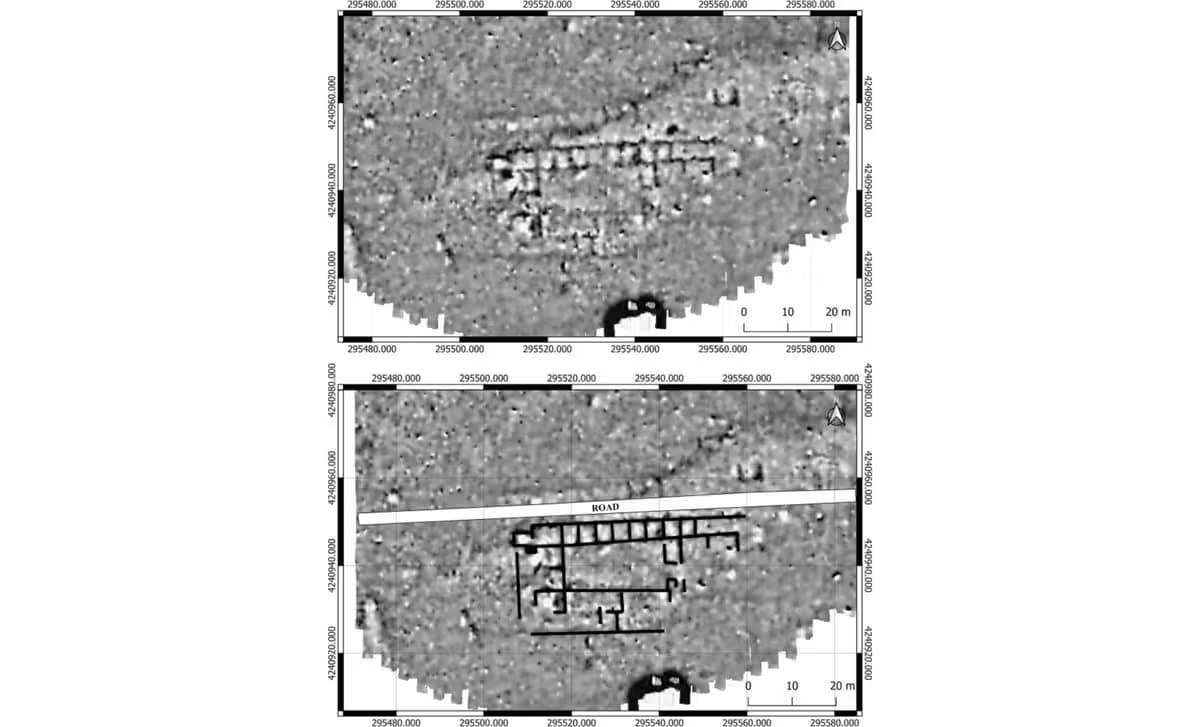
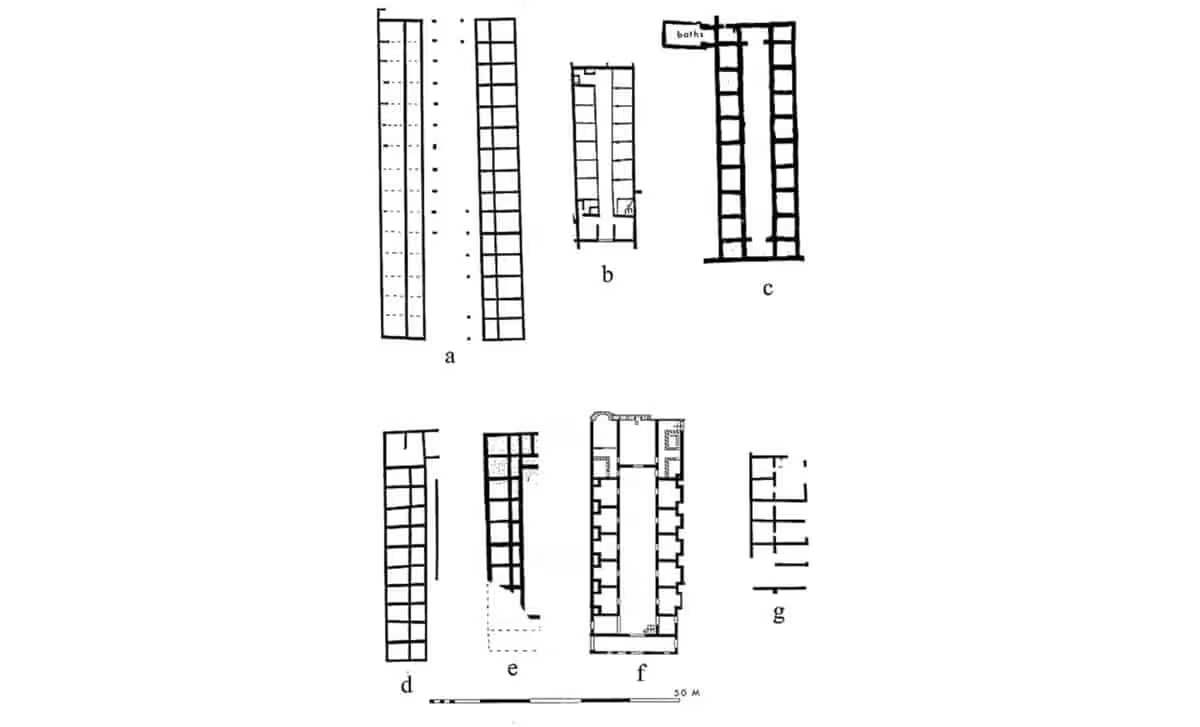
Architecturally, the building bears a striking resemblance to military barracks. It features a series of eight nearly identical rooms, each roughly 15 square meters, alongside an 11-meter-wide central open space interpreted by researchers as a courtyard for stabling horses or securing transport carriages. A notable 44.8-square-meter room on the western edge of the structure appears to have served as a bathing facility, a feature similarly documented at Roman sites like Rottweil, Germany.
Historical Geography and Military Parallels
The placement of the station aligns with the distances recorded in the Antonine Itinerary, a historical log of Roman travel routes, which situates Mellaria approximately 52 Roman miles from Corduba. By situating the facility outside the immediate urban center, Roman planners ensured that the heavy logistical traffic of the cursus publicus did not congest municipal streets.
The structural layout mirrors other confirmed Roman installations across the empire, including sites in Carnuntum (Austria), Vindonissa (Switzerland), and Inchtuthil (Britain). Such consistency underscores the standardized nature of Roman engineering and state support.
While the current findings rely entirely on geophysical surveys, there is evidence that the site may be more complex than initially thought. Magnetic readings indicate additional, unidentified structures nearby, including a potential high-status building located 50 meters to the north. Further archaeological investigation will be required to confirm the full scale of the site and the specific activities that occurred within its walls.
This article has been fact checked for accuracy, with information verified against reputable sources. Learn more about us and our editorial process.
Last reviewed on .
Article history
- Latest version
Reference(s)
- Nieto, Miriam González. “On the archaeological evidence of mansiones along the Roman roads of Hispania in the Antonine Itinerary: The case of Mellaria (Fuente Obejuna, Córdoba, Spain).” Journal of Archaeological Science: Reports, vol. 75, November 1, 2026, pp. 106073 Elsevier BV, doi: 10.1016/j.jasrep.2026.106073. <https://doi.org/10.1016/j.jasrep.2026.106073?utm_source=chatgpt.com>.
- “Actualidad Universitaria - Identifican un “área de servicios” romana en Fuente Obejuna.” <https://www.uco.es/servicios/actualidad/ciencia/item/168880-identifican-un-area-de-servicios-romana-en-fuente-obejuna?utm_source=chatgpt.com>.
Cite this page:
- Posted by Vikram Desai