Scientists Unveil Flash Recycling Method to Recover Critical Metals from Electronic Waste
Scientists have developed a rapid heating method that efficiently recovers valuable flame-retardant materials from recycled electronic plastic waste.
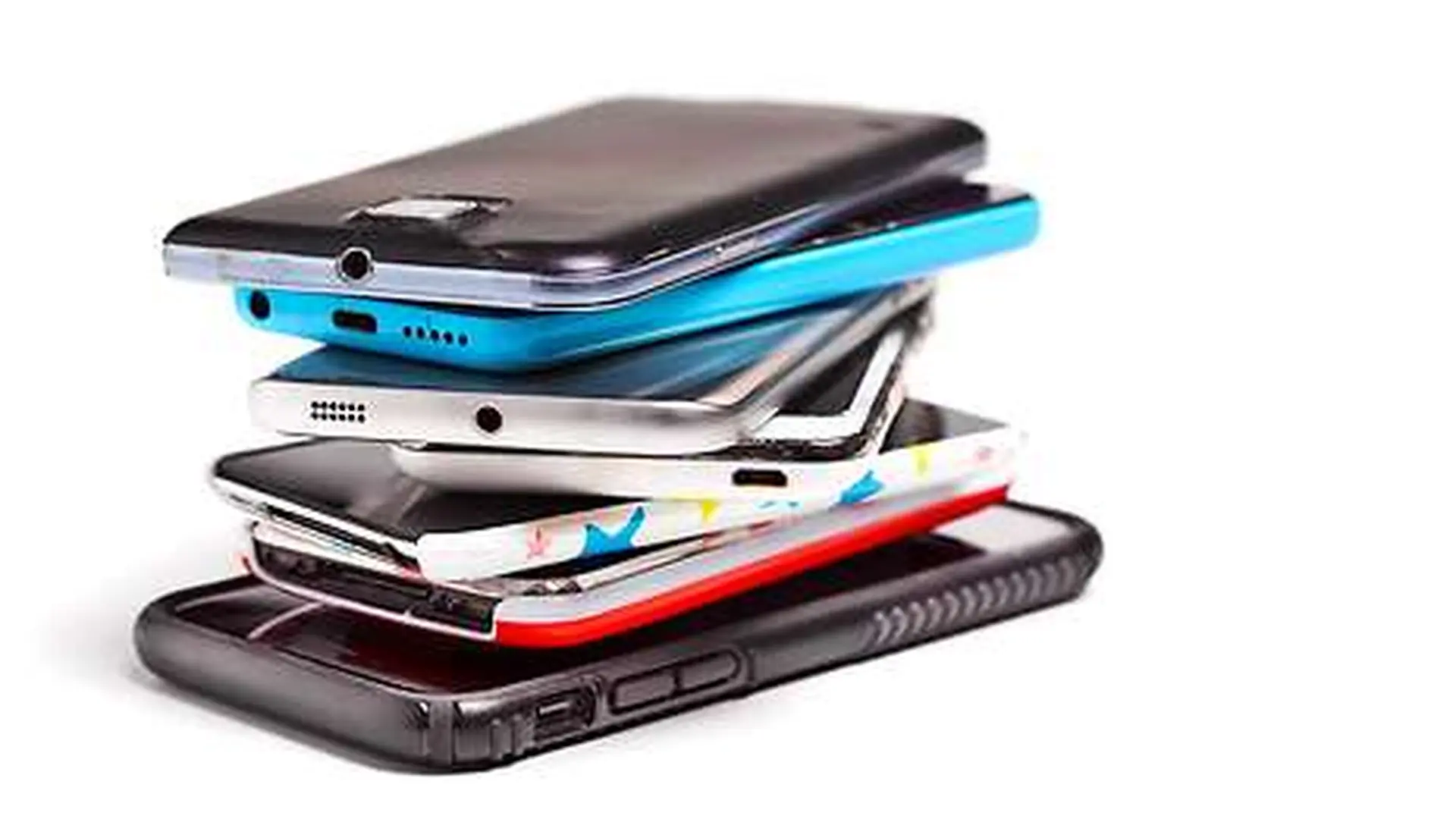
Breakthrough Flash-Heating Technique Transforms E-Waste Recycling
A team of researchers at Rice University has unveiled a high-speed method for reclaiming critical materials from discarded electronic components, offering a potential solution to the mounting crisis of electronic waste. The study, published in Nature Chemical Engineering, highlights an innovative use of flash Joule heating to recover antimony, a vital yet increasingly scarce metal used extensively in flame-retardant plastics.
Modern electronic devices rely on plastics treated with antimony and organic bromide compounds to mitigate fire hazards. These materials account for a significant portion of the global antimony supply, with roughly 39% of the metal currently utilized in flame-retardant applications. As millions of tons of electronic waste are discarded annually, recovering these components has remained a persistent technical and environmental hurdle.
Traditional recycling methods are often inefficient, relying on slow heating processes that can trigger the formation of toxic organic bromide compounds, which are difficult to manage. Other conventional approaches involve aggressive chemical treatments, such as strong acids or organic solvents, which introduce further safety and scalability risks.
“Antimony is a critical metal with a constrained supply,” says James Tour, a professor of chemistry at Rice and the corresponding author of the study. “My research team has adapted our flash Joule heating technique to quickly and effectively recover antimony from this plastic waste stream.”
The researchers developed a process known as isothermal-clamped flash Joule heating to bypass the limitations of standard thermal treatments. By placing ground-up plastic waste between two sheets of carbon paper and subjecting it to millisecond-long pulses of intense electrical heat, the team successfully liberated the antimony. The process is so rapid that it limits the duration the material spends at the specific temperature ranges where hazardous organic bromide compounds typically form, effectively preventing their creation.
“We found flame-retardant plastic waste generated by our own laboratory, ground it up, and then placed it between two sheets of electrically heated carbon paper. We used ultrafast heating to pulse-heat it several times,” explains Leo Haoxin Ye, a graduate student at Rice and the lead author of the paper. “Then we held the plastic briefly at a high temperature, which allowed the antimony to evaporate and condense in a collection area.”
Testing the technique on various components, including printed circuit boards, electrical connectors, and power supply housings, yielded impressive results. The team successfully recovered approximately 90% of the antimony content. Additionally, the process converted 83% of the bromide into hydrogen bromide, a stable inorganic compound that can be captured as a useful industrial salt. Because the plastic remained within the volatile 200–500 degrees Celsius temperature range for only 9.4 milliseconds, the generation of harmful organic byproducts was drastically curtailed.
With global projections estimating 82 million metric tons of flame-retardant plastic waste by 2030, the researchers suggest this technology could play a pivotal role in creating a circular economy for critical metals. “Isothermal-clamped flash Joule heating could improve the speed, safety, and practicality of antimony recovery from discarded flame-retardant plastics,” Tour adds. “This represents an important step forward to conserving and reusing our critical antimony supply while also regenerating bromide salts for reuse.”
The development of this technology was supported by funding from the Air Force Office of Scientific Research and the US Army Corps of Engineers, ERDC.
This article has been fact checked for accuracy, with information verified against reputable sources. Learn more about us and our editorial process.
Last reviewed on .
Article history
- Latest version
Reference(s)
- Ye, Leo Haoxin., et al. “Simultaneous antimony recovery from and debromination of flame-retardant electronic-waste plastics.” Nature Chemical Engineering, vol. 3, no. 10, October 16, 2026, pp. 584-596. Springer Science and Business Media LLC, doi: 10.1038/s44286-026-00455-3. <https://doi.org/10.1038/s44286-026-00455-3>.
Cite this page:
- Posted by Vikram Desai