Archaeologists Discover Mysterious Medieval Tunnel Hidden Beneath 6,000 Year Old Burial Mound
Archaeologists excavating an ancient German tomb have uncovered a mysterious hidden tunnel, leaving experts baffled as to its original purpose.
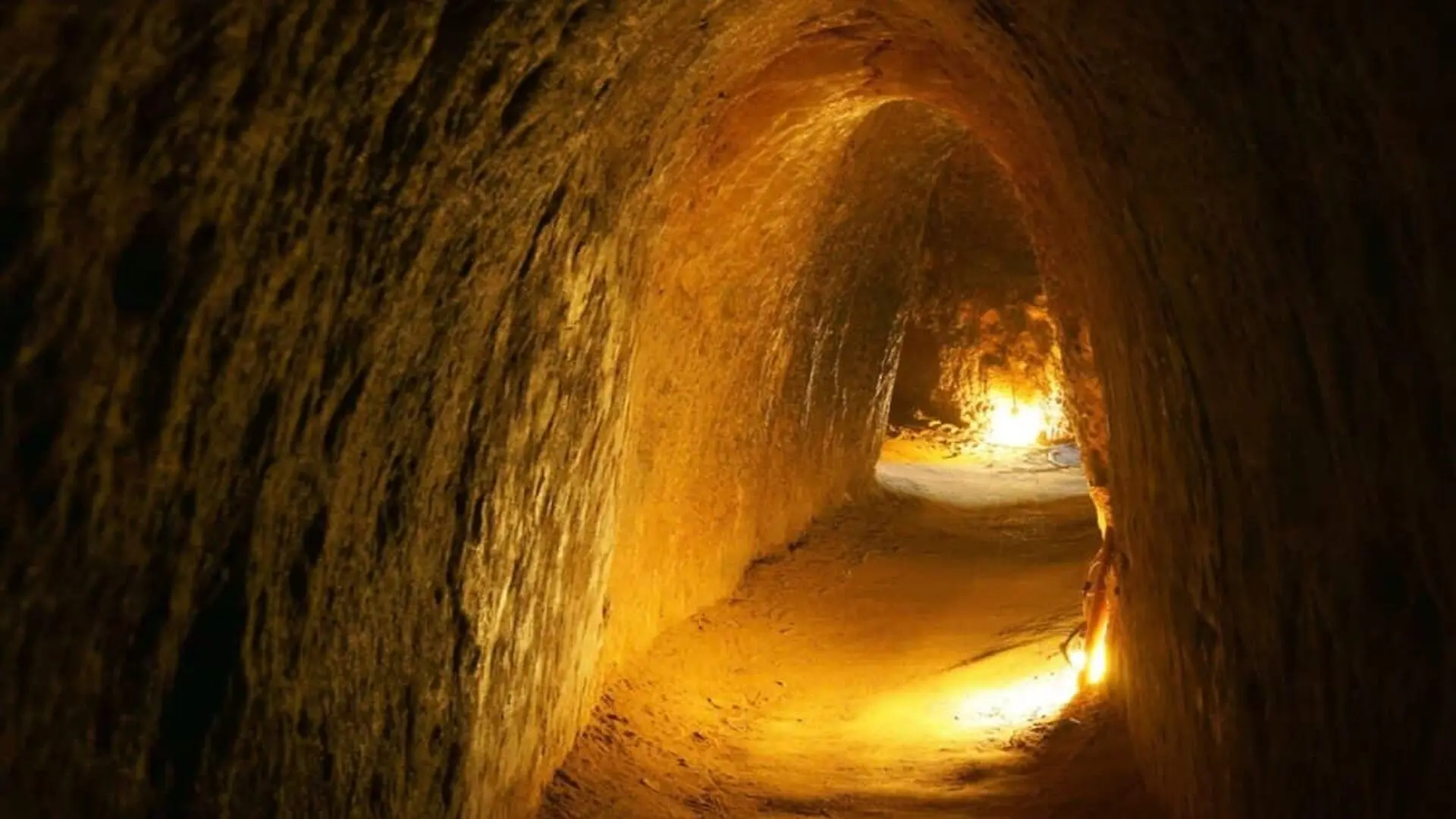
Archaeologists working near the village of Reinstedt in eastern Germany have unearthed a curious architectural collision between two vastly different eras. While conducting preventive excavations for a wind farm development on Dornberg Hill, the team discovered a narrow, man-made tunnel carved directly into the core of a 6,000-year-old burial mound. The subterranean passage, which dates back to the medieval period, was constructed roughly 5,000 years after the site’s original prehistoric inhabitants were laid to rest.
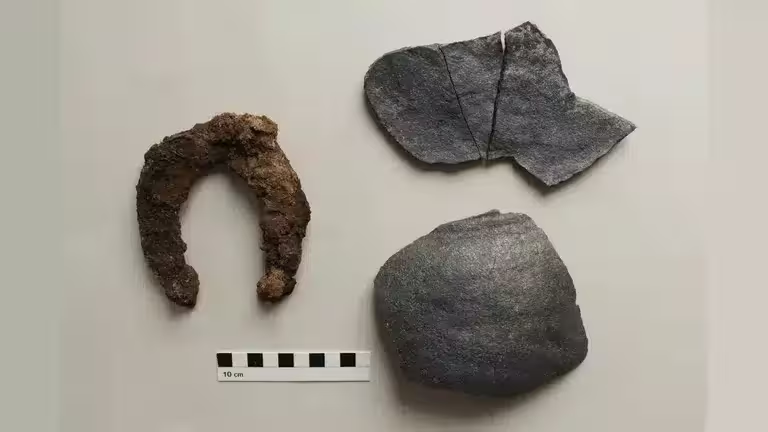
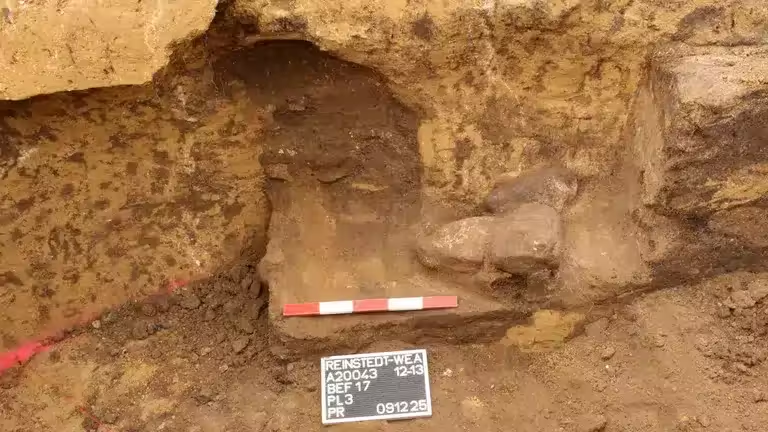
Initially, researchers suspected they were uncovering a standard prehistoric burial. The site featured an elongated, two-meter-long pit covered by a massive stone slab, appearing to fit the profile of a Neolithic grave. However, as the excavation deepened, the structure revealed itself to be a complex, hand-dug gallery. Recovered fragments of late medieval pottery and a metal horseshoe solidified the timeline, proving that the passage was a much later addition to the ancient monument.
An Architectural Anomaly
The tunnel is classified as an Erdstall, a type of mysterious, narrow underground passage found in various parts of Germany and France. The Reinstedt example is exceptionally cramped, measuring only 50 to 70 centimeters in width and barely a meter in height. Its orientation is particularly telling, as it was intentionally engineered to burrow toward the exact center of the ancient tomb.
Dornberg Hill serves as a complex historical record, containing layers from the Baalberge culture, Final Neolithic burials, and Bronze Age mounds. Because these prehistoric features remained visible in the landscape for millennia, it is highly likely that medieval locals were well aware of the site’s ancient nature. According to a official statement from the state office, finding an Erdstall integrated into a prehistoric funerary site is entirely unprecedented, marking this discovery as a unique archaeological outlier.
Deciphering the Purpose of the Subterranean Void
The motivation behind the tunnel remains a subject of intense debate among experts. One hypothesis suggests that the pre-existing earthworks provided a level of protection or a sense of security during periods of medieval conflict, functioning as a refuge. Alternatively, the site’s reputation as an ancient, potentially cursed or magical place might have deterred the general public, making it the perfect, secluded location for ritualistic activities or a hidden cache.
Regardless of the specific intent, the sheer labor required to carve into the dense earth and rock at this location implies a significant, and perhaps desperate, purpose. Archaeologists emphasize that the pottery and tool marks provide valuable clues, but the true nature of these underground networks—whether for sanctuary, ritual, or treasure hunting—remains elusive in the broader scientific community.
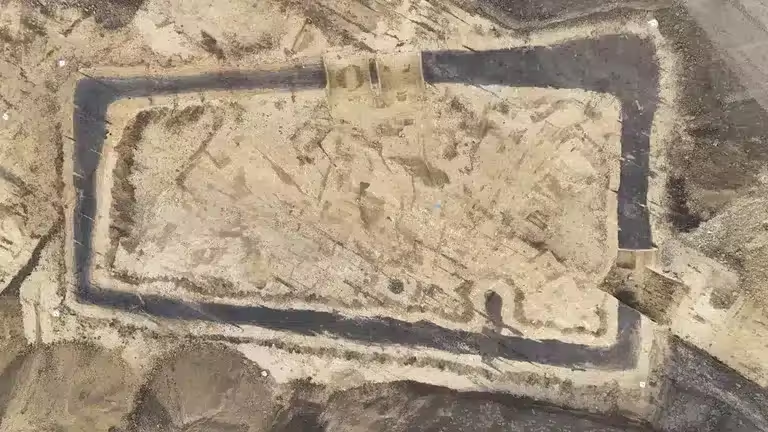
Further investigation is planned, with teams preparing to conduct detailed mapping of the subterranean complex. Researchers hope that precise dating of the tunnel walls will eventually shed light on the exact timing of this unexpected architectural intervention.
This article has been fact checked for accuracy, with information verified against reputable sources. Learn more about us and our editorial process.
Last reviewed on .
Article history
- Latest version
Reference(s)
- “29.1.26 Reinstedt Erdstall.” <https://www.lda-lsa.de/presse-und-oeffentlichkeitsarbeit/presseinformationen/29126-reinstedt-erdstall>.
Cite this page:
- Posted by Vikram Desai