AI Discovery of Hidden Irish Cave Art Could Rewrite Human Settlement History
An AI system designed to locate hidden caves has made a discovery that could rewrite thousands of years of human history.
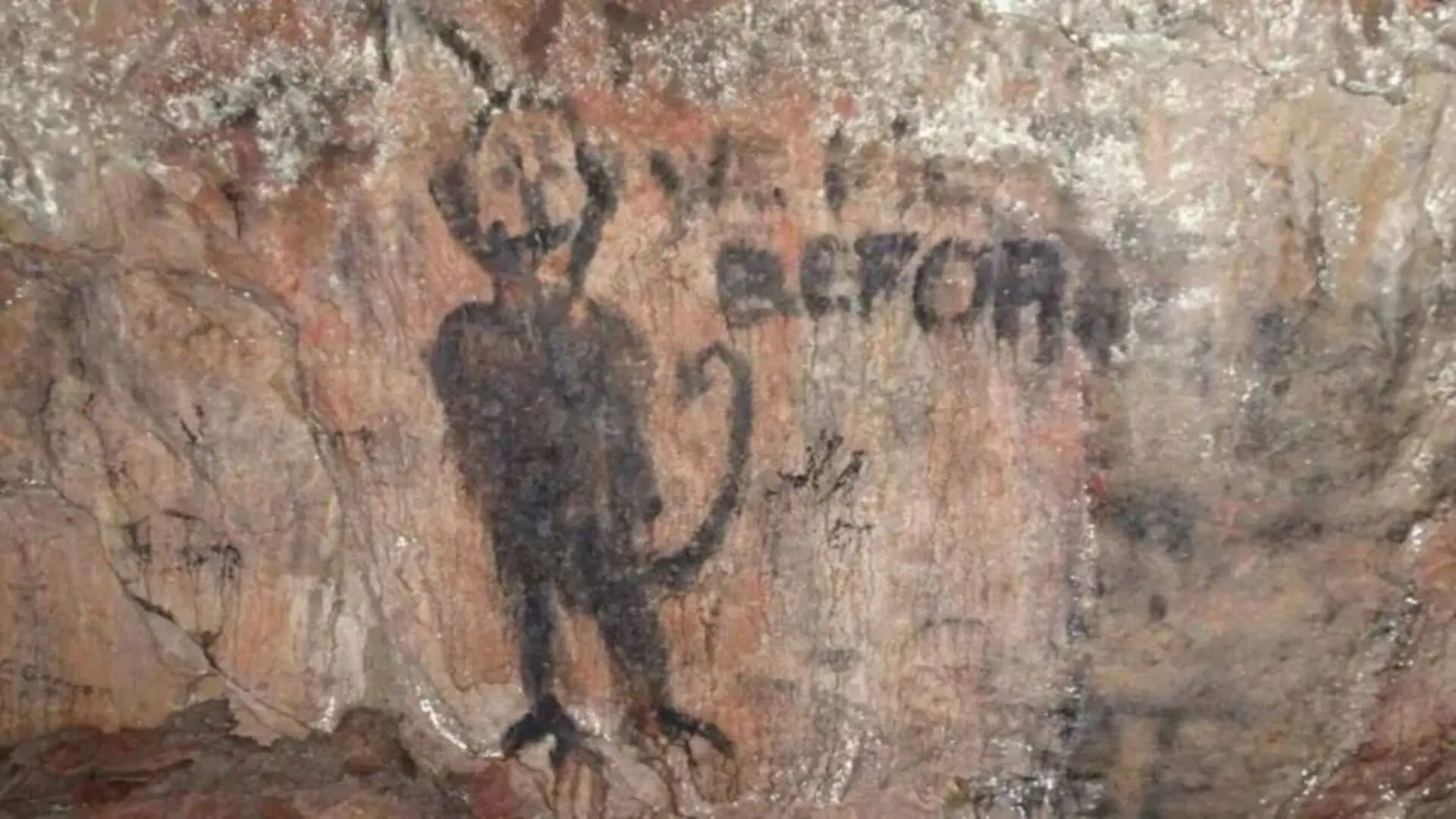
A series of mysterious markings discovered within eight caves in southwest Ireland could fundamentally rewrite the history of human migration to the region. Researchers believe these traces, which were identified across a network of subterranean sites, may represent the oldest evidence of Ice Age cave art ever found in the country. If verified, the discovery suggests that early human settlers may have arrived in Ireland significantly earlier than previously thought, potentially crossing a now-submerged land bridge that once linked the island to modern-day Wales.
For decades, the prevailing archaeological consensus held that Ireland was one of the last areas in northwest Europe to be colonized by humans, with the current record largely consisting of fragmented, cut-marked bones rather than the elaborate artistic expressions found elsewhere on the continent. The discovery of potential cave art—a rarity in the Irish context—threatens to dismantle this long-standing narrative. The research initiative, known as the Lost Land Bridge Project, is spearheaded by palaeoanthropologist and rock art specialist Genevieve von Petzinger, alongside colleagues George Nash and Barbara Oosterwijk.
Evidence of Ancient Human Presence
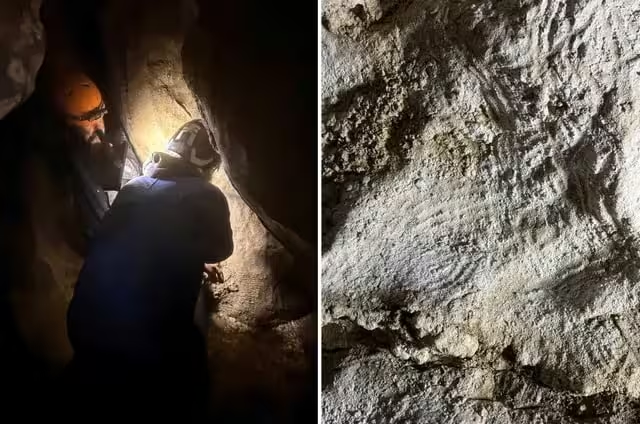
During recent field expeditions in southwest Ireland, the team identified several distinct categories of intentional markings. These include finger flutings—patterns traced by hand into soft cave wall surfaces—as well as rudimentary depictions of animals created with charcoal and ochre. Experts consider the finger flutings to be particularly significant; von Petzinger notes that over 90% of known sites featuring these markings are linked to the Ice Age. The density of these markings in the Irish sites is notable, as most locations outside of world-renowned sites like Lascaux or Altamira typically yield only sparse, weathered fragments.
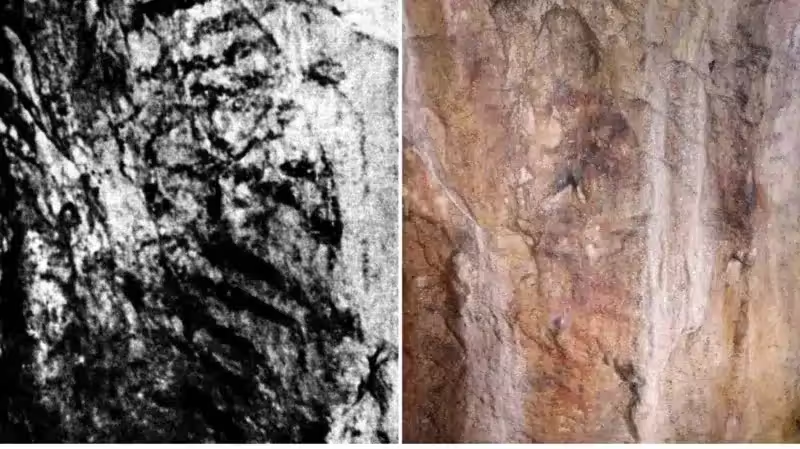
To establish a definitive timeline, the team is preparing a rigorous analytical campaign. This includes radiocarbon dating for charcoal pigments, Raman spectroscopy for red ochre analysis, and uranium series dating for the calcite formations covering the art. Additionally, the researchers aim to extract ancient DNA from the finger flutings, a sophisticated technique von Petzinger has previously piloted at sites in Spain.
Investigating a Prehistoric Land Bridge
The pursuit of these sites was not accidental. It was driven by the theory that dramatic drops in sea levels during the Late Ice Age likely created a terrestrial corridor between Wales and Ireland. This hypothesis gains credence from regional geological surveys, such as the BRITICE Glacial Mapping Project. Furthermore, recent dating of cave art at Bacon Hole in Wales, which places human activity there at least 17,100 years ago, suggests that prehistoric populations were established in the immediate vicinity during the period in question.
“If humans lived in Wales during the Ice Age, why not walk across when it was close?” von Petzinger remarked.
Data-Driven Archaeological Discovery
To locate these elusive sites, the researchers deployed an artificial intelligence platform called LIACARA (Living Intelligent Archive of Ancient Culture, Art, and Relational Archaeology). By aggregating vast datasets—including geological maps, hydrological history, glacial movement records, and existing archaeological archives—the AI generated a heat map highlighting areas where environmental conditions were most conducive to both cave formation and human occupation.
“We taught AI to hand us a heat map of places most likely to have the converging factors that could lead to caves and human presence,” von Petzinger explained.
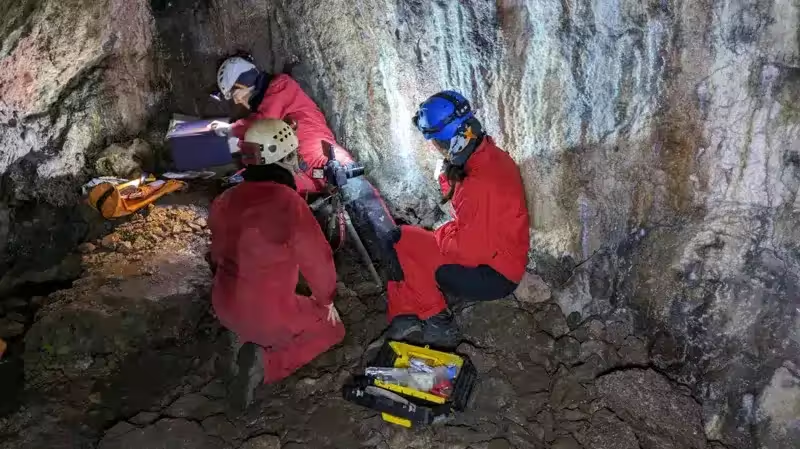
The team inspected 28 potential candidates suggested by the system, ultimately confirming the presence of significant markings in eight locations. For conservation and security reasons, the exact coordinates of these sites remain undisclosed. Moving forward, the developers intend to transition LIACARA into an open-access resource, enabling the broader scientific community to analyze dispersed data and identify new archaeological patterns with greater precision.
This article has been fact checked for accuracy, with information verified against reputable sources. Learn more about us and our editorial process.
Last reviewed on .
Article history
- Latest version
Reference(s)
- Valdés, Constanza. “Cave markings discovered in Ireland could transform understanding of when humans first settled there.”, September 18, 2026 The Art Newspaper - International art news and events <https://www.theartnewspaper.com/2026/09/18/cave-markings-discovered-in-ireland-could-transform-understanding-of-when-humans-first-settled-there>.
- “BRITICE.” The University of Sheffield <https://sheffield.ac.uk/geography-planning/research/geography/projects/britice>.
Cite this page:
- Posted by Vikram Desai