Divers Surveying Gas Pipeline Site Discover Rare 400 Year Old Shipwreck
Archaeologists surveying a German lagoon have discovered a mysterious, long-lost shipwreck alongside a strange, never-before-seen object.
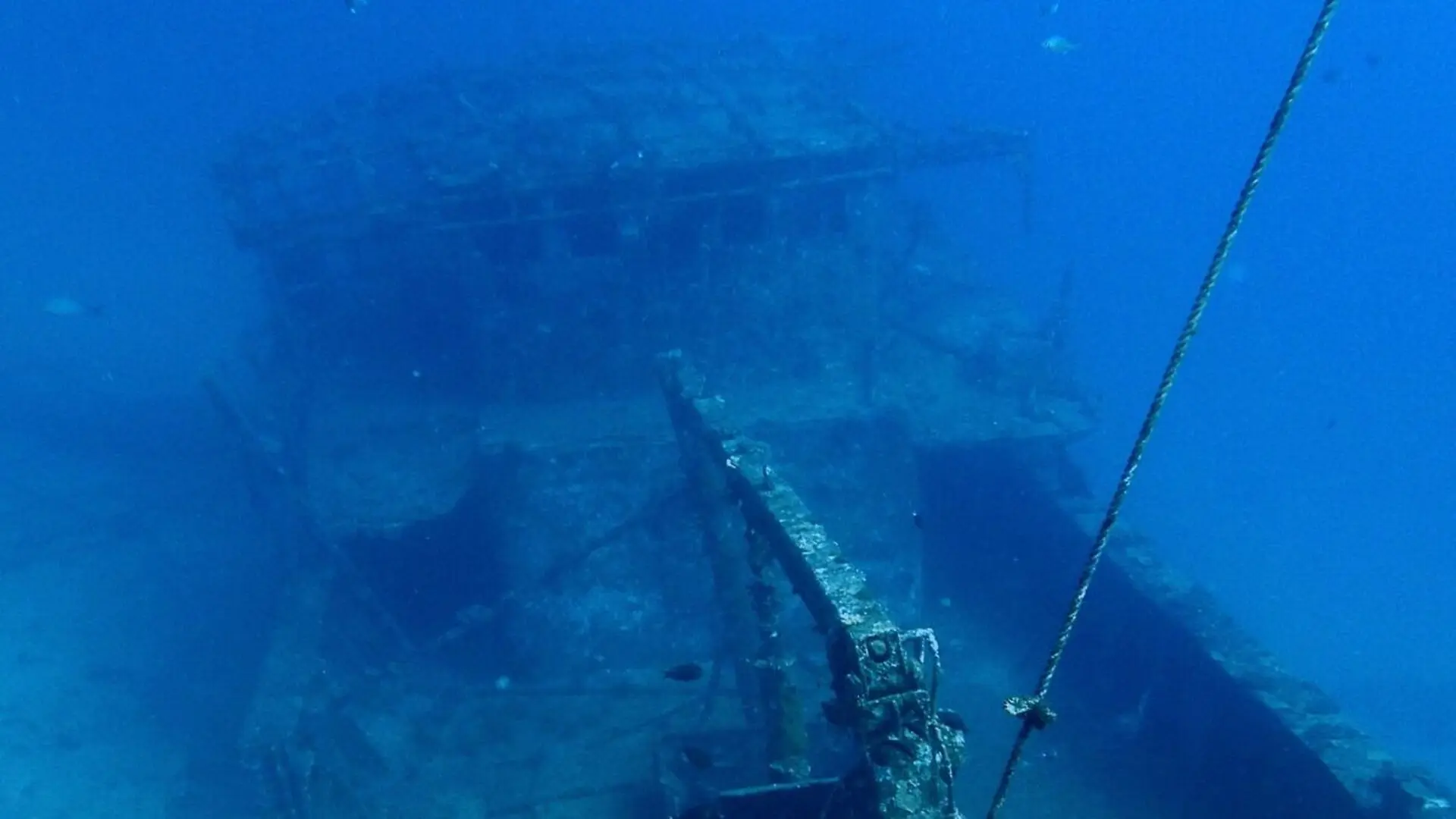
During routine underwater surveys for a gas pipeline installation in Germany’s Bay of Greifswald, commercial divers made an unexpected discovery: the remains of a 17th-century ship resting on the seabed. The site, characterized by scattered timber and corroded metal, offered a brief but significant glimpse into maritime life during the Baltic’s age of sail.
As offshore energy infrastructure continues to expand across the region, such underwater anomalies are becoming increasingly common. However, the discovery of this particular vessel prompted an immediate and high-stakes archaeological rescue mission, detailed in the International Journal of Nautical Archaeology.
A Compressed Timeline for Discovery
Following the 2023 identification of the site, archaeologists faced a strict deadline imposed by upcoming dredging operations. A specialized team conducted 22 dives over a 12-day window to document and recover as many artifacts as possible before construction activities could potentially damage the wreck. Working at a depth of roughly 25 feet, the team navigated challenging conditions where the silty sediment turned the water opaque with the slightest movement.
Engineering Insights from the 17th Century
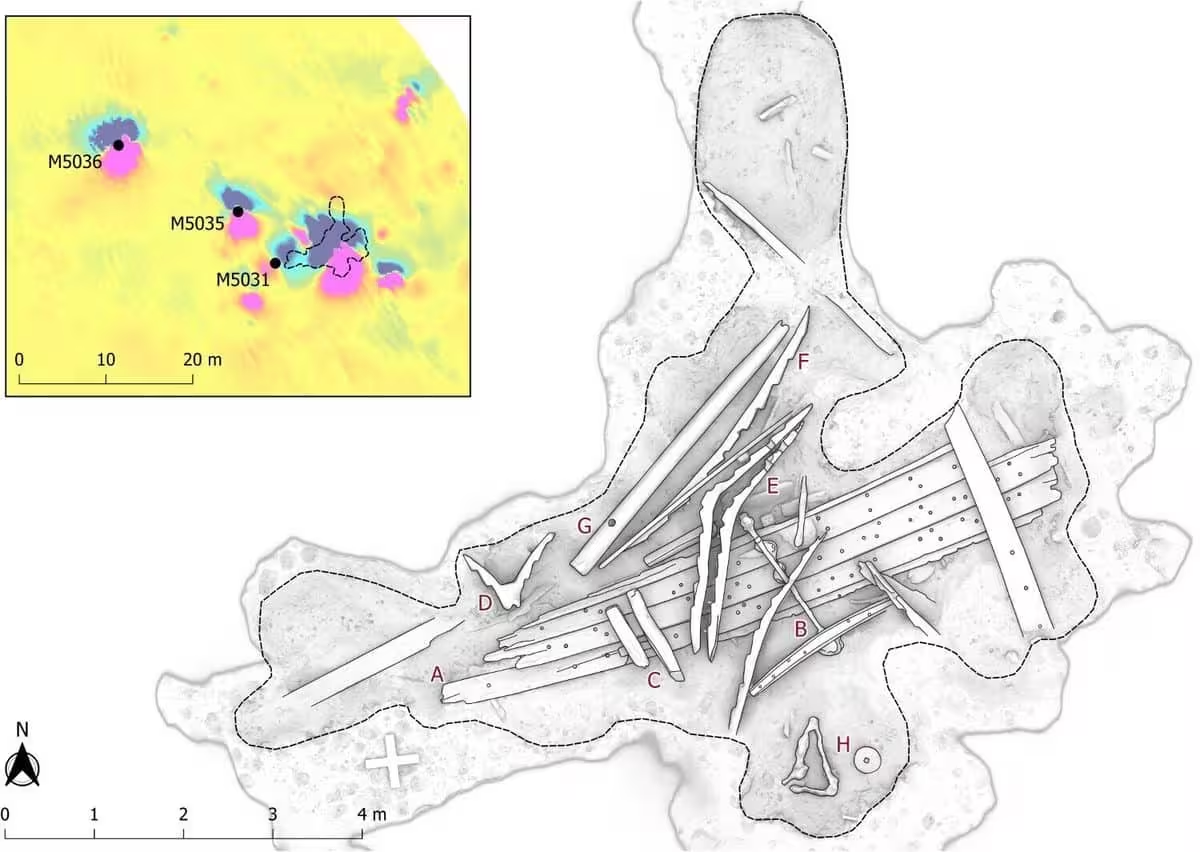
Analysis of the vessel’s construction revealed a clinker-built hull, where planks were overlapped in a shingle-like fashion and sealed with a blend of animal hair and tar. Dendrochronological testing on a recovered timber dated the ship’s construction to between 1626 and 1639.
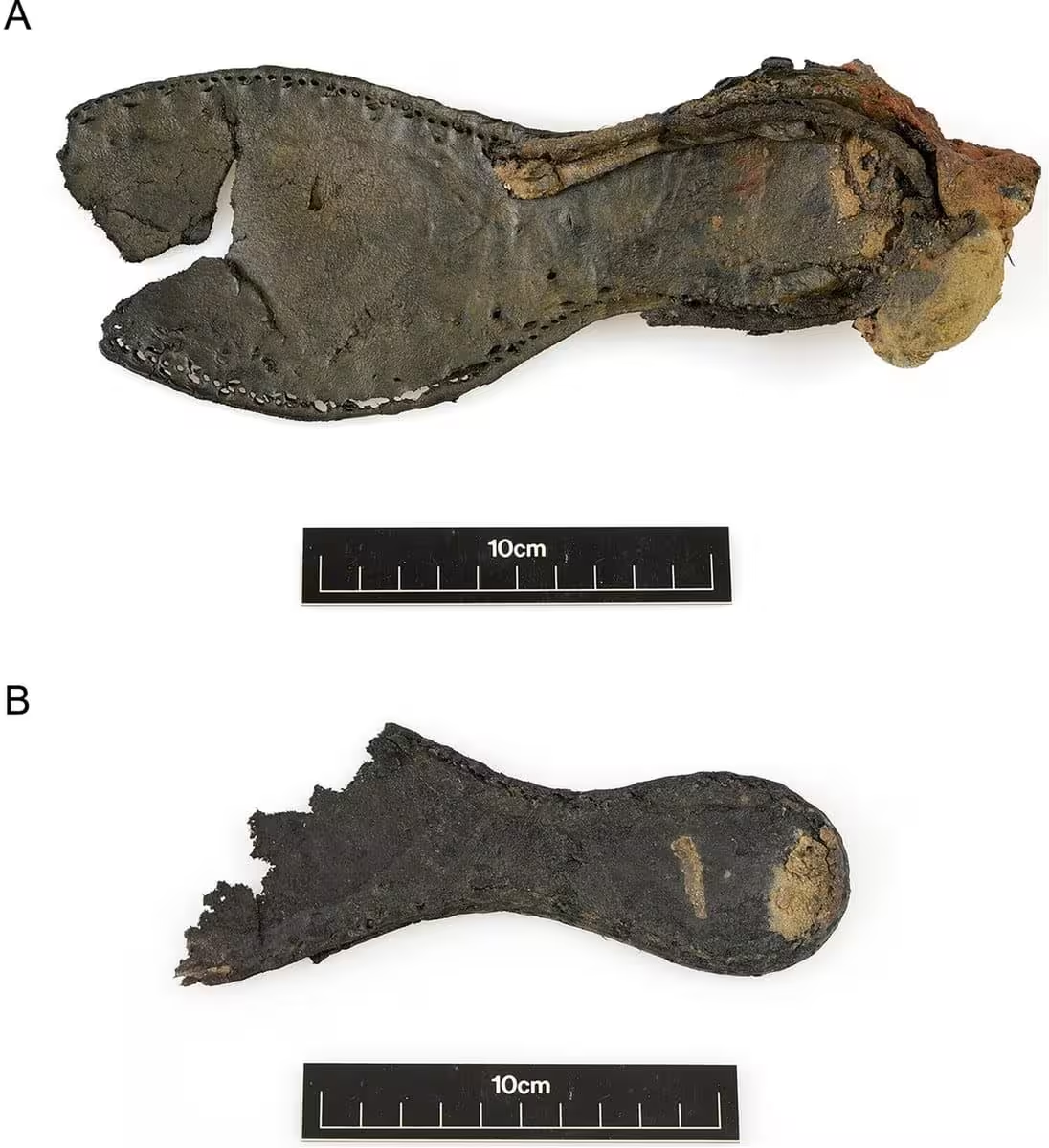
The recovered assemblage included more than 60 distinct items, ranging from barrel staves and rope fragments to a hollowed-out oak trunk identified as a bilge pump. Of particular interest was a collection of carpentry tools, including a hand drill handle reminiscent of those used on the Tudor-era warship Mary Rose, suggesting the crew maintained an active workshop for repairs during transit. Other findings provided a glimpse into daily life, such as two leather shoe soles and animal remains indicating a diet of pork and small ruminants.
Lingering Historical Mysteries
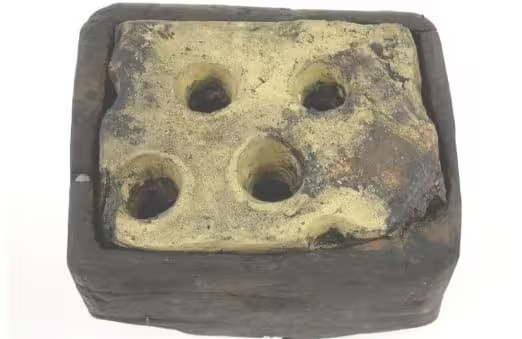
Some findings defy easy categorization, most notably a clay brick with perforations, found encased within an oak block. Researchers suspect it could have served as a tool-sharpening apparatus, though no comparable artifacts exist in the current historical record. “I had no idea what it was, but I really wanted to solve the mystery,” said Michał Grabowski, an underwater archaeologist from the University of Warsaw involved in the project. “And I still very much want to.”
The circumstances surrounding the ship’s final moments remain elusive. While charring on some timbers points toward fire, the presence of multiple anchors and a buoy suggests the vessel might have been at rest when it went down. Maintaining a cautious approach, Grabowski emphasized that avoiding unfounded speculation is vital to historical integrity. Following the excavation, the pipeline route was adjusted, and the wreckage has been secured under protective sandbags to await potential future study.
This article has been fact checked for accuracy, with information verified against reputable sources. Learn more about us and our editorial process.
Last reviewed on .
Article history
- Latest version
Reference(s)
- Grabowski, Michał Konrad. “A 17th-Century AD Clinker-Built Vessel from the Bay of Greifswald, Germany: Preliminary Report on the Peenemündung, Fpl. 142 Shipwreck Investigation.” International Journal of Nautical Archaeology, September 11, 2026, pp. 1-15. Informa UK Limited, doi: 10.1080/10572414.2026.2704641. <https://dx.doi.org/10.1080/10572414.2026.2704641>.
- “Grabowski Michał – Faculty of Archaeology UW.”, May 14, 2024 <https://www.archeologia.uw.edu.pl/en/grabowski-michal-2/>.
Cite this page:
- Posted by Vikram Desai