Chronic Illness Pregnancy Teams Show Variable Success and Hidden Patient Strain
A comprehensive review of 45 studies reveals that multidisciplinary care models for high-risk pregnancies lack consistent definitions and rigorous outcome data.

When chronic health conditions complicate a pregnancy, standard single-doctor care often falls short, but a comprehensive review reveals that real-world team-based healthcare models remain surprisingly inconsistent and poorly evaluated. Managing conditions like heart disease, diabetes, or psychiatric disorders during pregnancy requires coordinated expertise from multiple medical specialties, yet researchers found that how these multidisciplinary teams operate in practice is rarely standardized. Published in PLOS One, the new systematic review analyzed global literature published between January 2013 and January 2026 to understand how different medical centers manage high-risk expectant mothers.
What Did the Systematic Review Actually Examine?
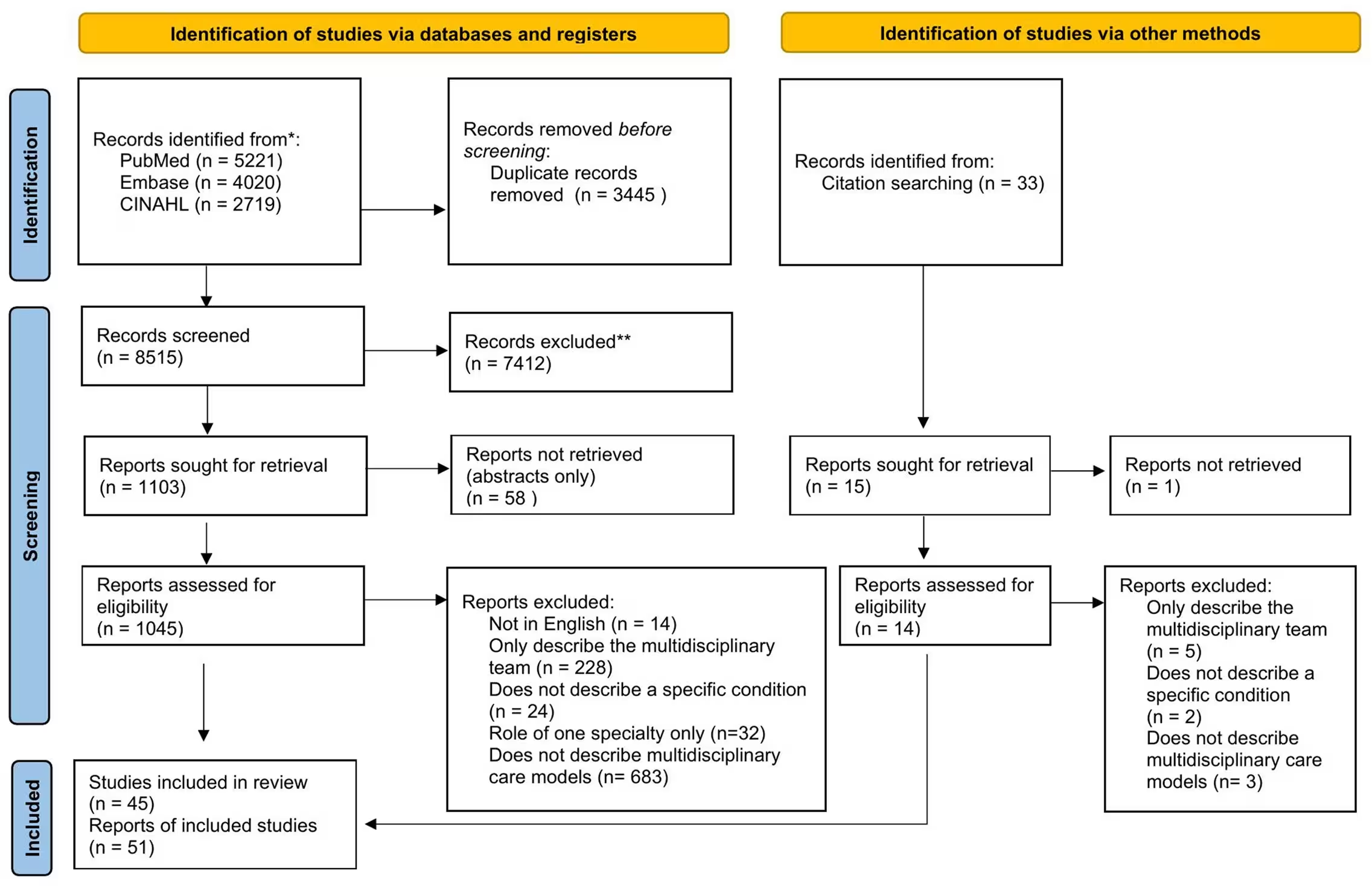
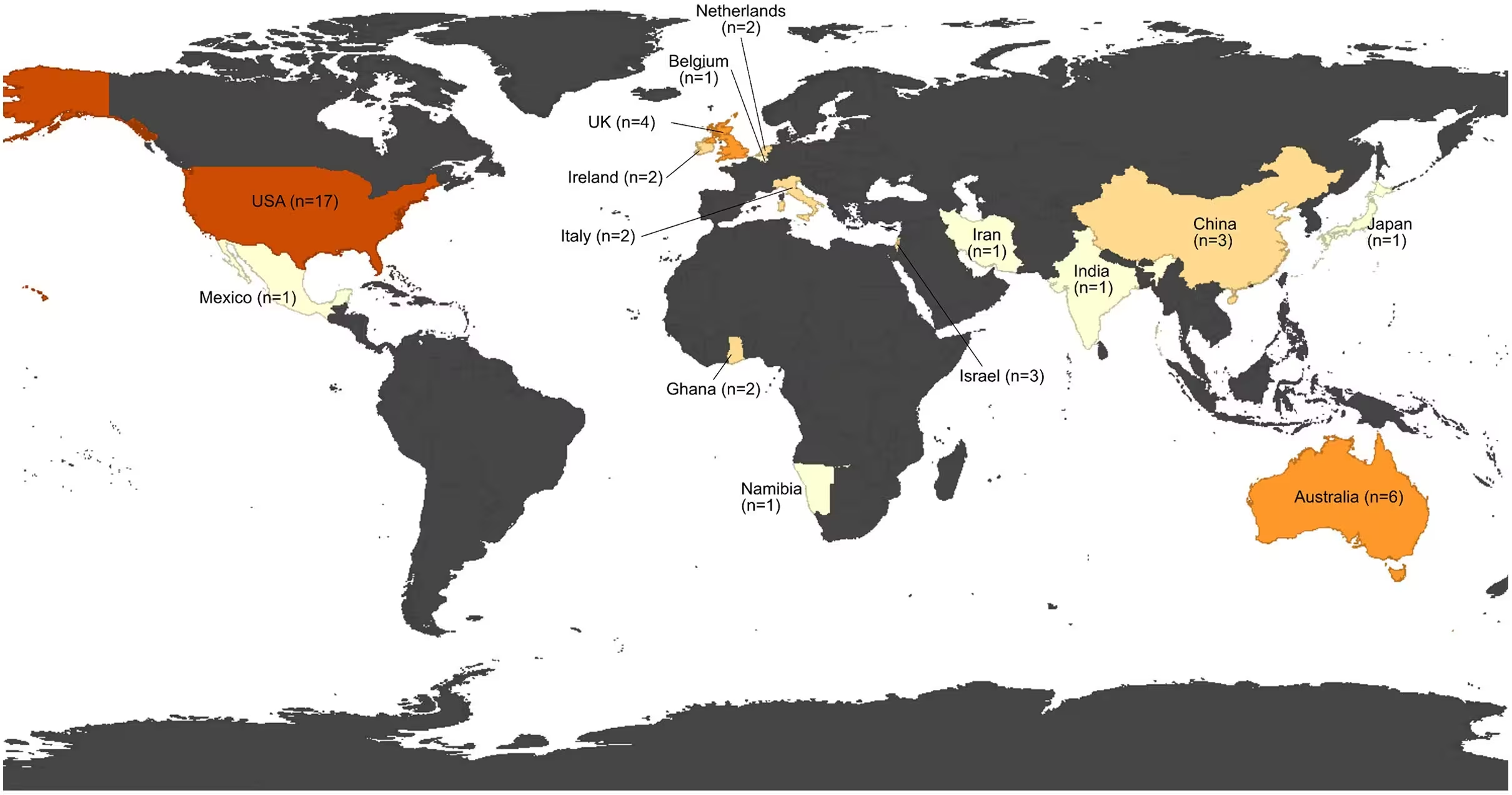
Led by Gayani Shashikala Amarasinghe and colleagues, the research team searched major medical databases including PubMed, Embase, and CINAHL for studies describing structured team care during pregnancy. Out of 8,515 initial records screened across more than a decade of research, the authors ultimately selected 51 reports covering 45 individual studies for detailed data extraction. These studies spanned high-income and middle-income nations, with the largest share originating in the United States.
The review classified the studied care models into four primary disease categories: cardiac conditions, diabetes, psychiatric illnesses, and other complex medical conditions such as sickle cell disease or inflammatory bowel disease. Most of these collaborative programs operated out of major tertiary-level hospitals, bringing together obstetricians, maternal-fetal medicine specialists, cardiologists, endocrinologists, psychiatrists, and specialized nurses or midwives.
Why Are Multidisciplinary Team Structures So Difficult to Compare?
A major finding of the review is that the phrase multidisciplinary care is used broadly and loosely across modern medicine without a shared definition. Some clinics scheduled simultaneous appointments where a patient met several specialists in the same room, while other centers relied on sequential appointments on the same day or separate specialist visits coordinated by electronic health records and case managers.
Communication methods varied wildly from routine weekly team meetings to ad hoc phone consultations and remote tumor-board-style advisory letters. Furthermore, patient inclusion criteria differed substantially. While cardiac programs often enrolled women based on strict risk stratification scores, psychiatric and diabetes clinics frequently screened and accepted larger groups of patients directly within institutional settings.
What Does the Evidence Say About Maternal and Fetal Outcomes?
Evaluating the clinical effectiveness of these team models proved challenging due to high heterogeneity and serious methodological risks in the underlying studies. Only eight studies compared clinical outcomes between structured team care and historical controls or routine care, preventing the researchers from conducting a statistical meta-analysis.
Nevertheless, the available data suggest that structured team approaches can improve certain health indicators, particularly among the highest-risk patients. For example, one study set in a region with high baseline mortality demonstrated a dramatic drop in maternal deaths among women with sickle cell disease receiving structured team care. Other studies noted improvements in diabetes management, such as reduced rates of cesarean sections, lower newborn respiratory distress, and normalized infant birth weights. Psychiatric care models also pointed to greater reductions in depression severity scores when mental health professionals collaborated directly with obstetric teams.
Where Do Patient Experiences and System Limits Clash?
While clinicians generally reported feeling supported and believed patient access improved, patient perspectives revealed notable drawbacks. Many participants praised the personalized attention and feeling safe within a dedicated clinic, but others reported exhausting wait times, sometimes spending hours moving between multiple provider appointments in a single day.
Some women also described feeling judged or overpowered by the sheer number of medical professionals in the room, which stifled their willingness to ask questions. Additionally, physical distance and financial barriers heavily dictated whether patients successfully accessed these specialized programs, as attendance rates plummeted when clinics were located in separate buildings or distant facilities.
What Lies Ahead for Complex Pregnancy Care?
The authors emphasize that while guidelines universally endorse collaborative care, the current scientific literature lacks robust, high-certainty evidence proving its overall cost-effectiveness or broad clinical superiority over standard care for every single patient. To move the field forward, researchers have proposed a new reporting framework to standardize how future care models are described and evaluated.
Future investments and research initiatives must focus on generating rigorous, methodologically sound data across diverse and resource-constrained settings. Ensuring that multidisciplinary care becomes a practical, equitable reality rather than just a theoretical recommendation will require active co-design with patients and sustainable health system funding.
The research was published in PLOS One on November 18, 2026.
This article has been fact checked for accuracy, with information verified against reputable sources. Learn more about us and our editorial process.
Last reviewed on .
Article history
- Latest version
Cite this page:
- Posted by Sana Malik