Extreme Heat and Air Pollution Linked to Female Reproductive Decline
A comprehensive review of recent studies highlights how environmental stressors disrupt ovarian function and pregnancy outcomes through oxidative and epigenetic pathways.
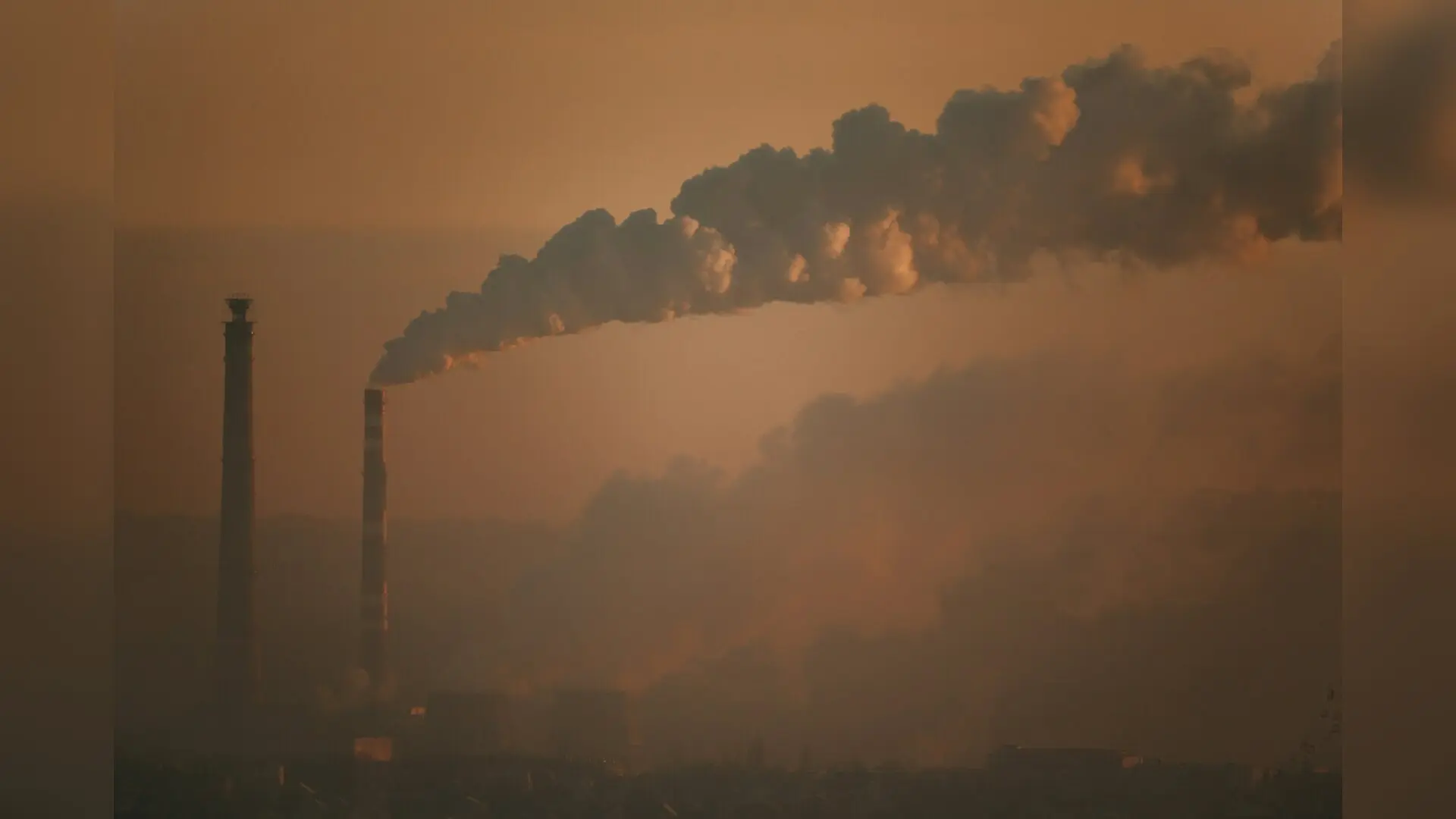
Rising global temperatures and worsening air pollution are increasingly linked to severe disruptions in female reproductive health, according to a comprehensive review of recent scientific literature. The study outlines how environmental stressors such as extreme heat and particulate matter contribute to challenges ranging from diminished ovarian reserve to higher rates of pregnancy complications.
How Heat Stress and Pollutants Alter Reproductive Biology
The research team, led by investigators from multiple institutions, systematically examined how environmental factors intersect with human reproductive systems. They found that exposure to extreme ambient temperatures and toxic atmospheric components can compromise three core elements required for successful reproduction: oocyte quality, endocrine signaling, and endometrial receptivity. These findings were detailed in a narrative review published in the Annals of Medicine, synthesizing data from recent epidemiological and mechanistic investigations.
Air pollution components, particularly fine particulate matter known as PM2.5, can penetrate biological barriers and accumulate in ovarian tissues and follicular fluid. This infiltration triggers oxidative stress and inflammatory responses that damage developing eggs and accelerate the depletion of a woman’s ovarian reserve. Concurrently, elevated ambient temperatures have been shown to disrupt the hypothalamic-pituitary-ovarian axis, leading to hormonal imbalances that interfere with normal ovulation and menstrual cycles.
Vulnerable Gestational Windows and Fetal Development Risks
The review highlights that adverse pregnancy outcomes, including preterm birth, low birth weight, and stillbirth, show consistent statistical associations with both heatwaves and high pollutant loads. Investigators noted that the impact of temperature exposure often follows a U-shaped curve, where both extreme heat and extreme cold threaten pregnancy viability. However, elevated temperatures exhibit particularly strong links to embryo-development complications.
Susceptibility to these environmental pressures varies across different stages of gestation. Several large cohort studies identified mid-pregnancy and late pregnancy as particularly critical windows, during which thermal stress or high nitrogen dioxide levels can impair placental vascular remodeling and reduce blood flow efficiency between mother and fetus.
Cellular Mechanisms and Epigenetic Alterations
At the microscopic level, the review points to shared molecular pathways driving reproductive toxicity. Both heat stress and particulate matter induce cellular damage through the overproduction of reactive oxygen species, which overwhelm endogenous antioxidant defenses and impair mitochondrial function in reproductive cells. Furthermore, environmental exposures can alter epigenetic markers, such as DNA methylation and histone modifications, potentially programming long-term health risks for offspring.
Despite the robust convergence of epidemiological and animal model data, the authors emphasize certain limitations in current scientific literature. Many human studies rely on residential address-based exposure estimates without tracking individual daily movements, leading to potential exposure misclassification. Additionally, because ethical constraints prevent direct experimental interventions in pregnant women, much of the mechanistic evidence still relies on animal models and cell cultures, highlighting the need for future research utilizing advanced physiological models like organoids.
The research was published in Annals of medicine on November 18, 2026.
This article has been fact checked for accuracy, with information verified against reputable sources. Learn more about us and our editorial process.
Last reviewed on .
Article history
- Latest version
Cite this page:
- Posted by Elizabeth Taylor