Right Wing Politics Linked to Climate Conspiracy Beliefs and Misinformation
A survey of Italian adults reveals how political ideology and conspiratorial worldviews shape online exposure to climate science denial.
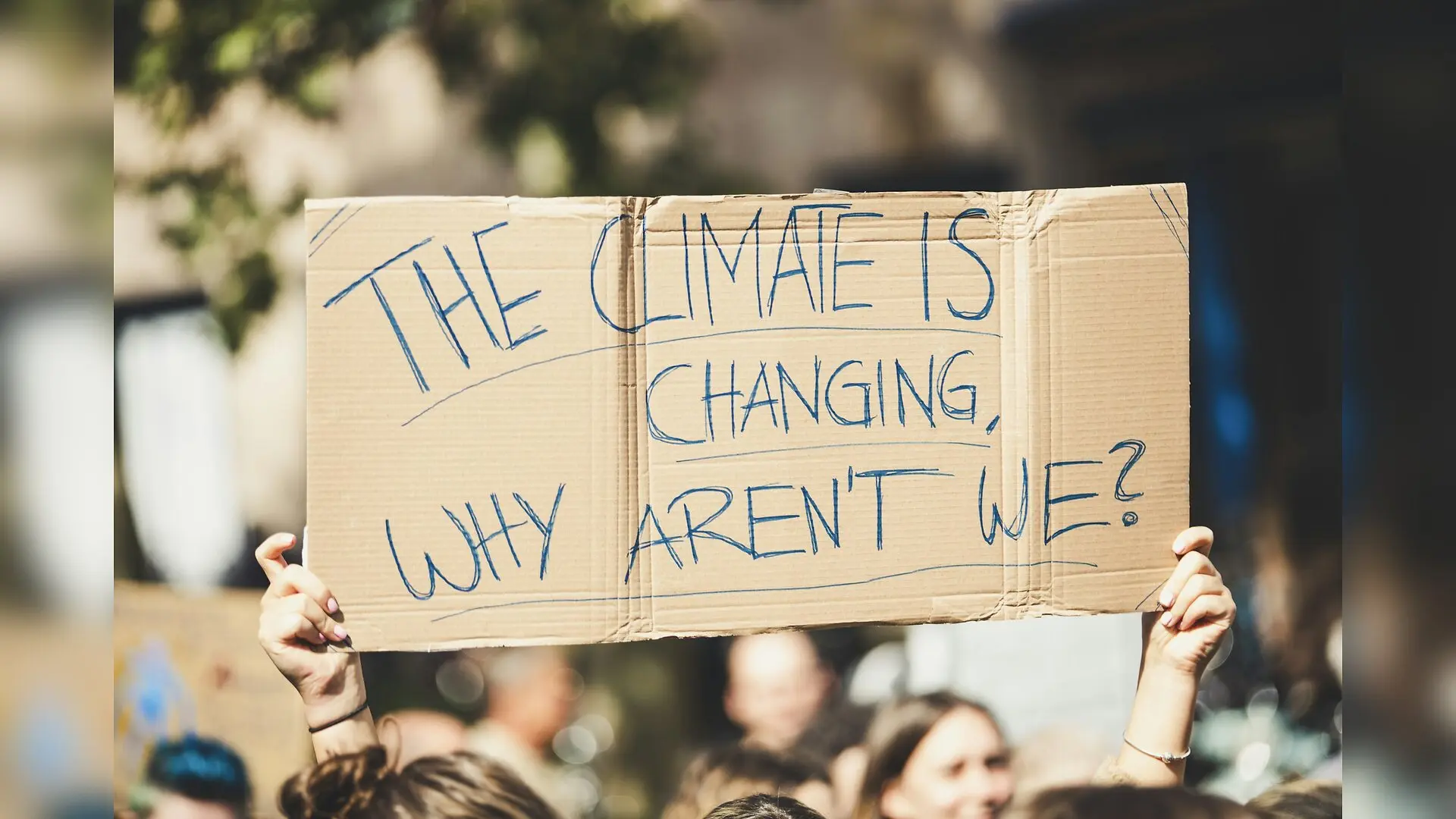
Right-wing political views are directly tied to an increased belief in climate change conspiracies and exposure to online misinformation, according to a survey of 460 Italian adults. The study examined how political ideology and conspiratorial thinking shape the way people encounter and accept false information about the environment, revealing that psychological worldviews act as key stepping stones toward climate science denial.
While previous work has largely focused on what people believe, this new study also looked at how often individuals report seeing misleading claims online. The authors note that understanding these patterns helps explain why polarization around global heating remains so persistent on digital platforms.
How Political Ideology Shapes Climate Misinformation Exposure
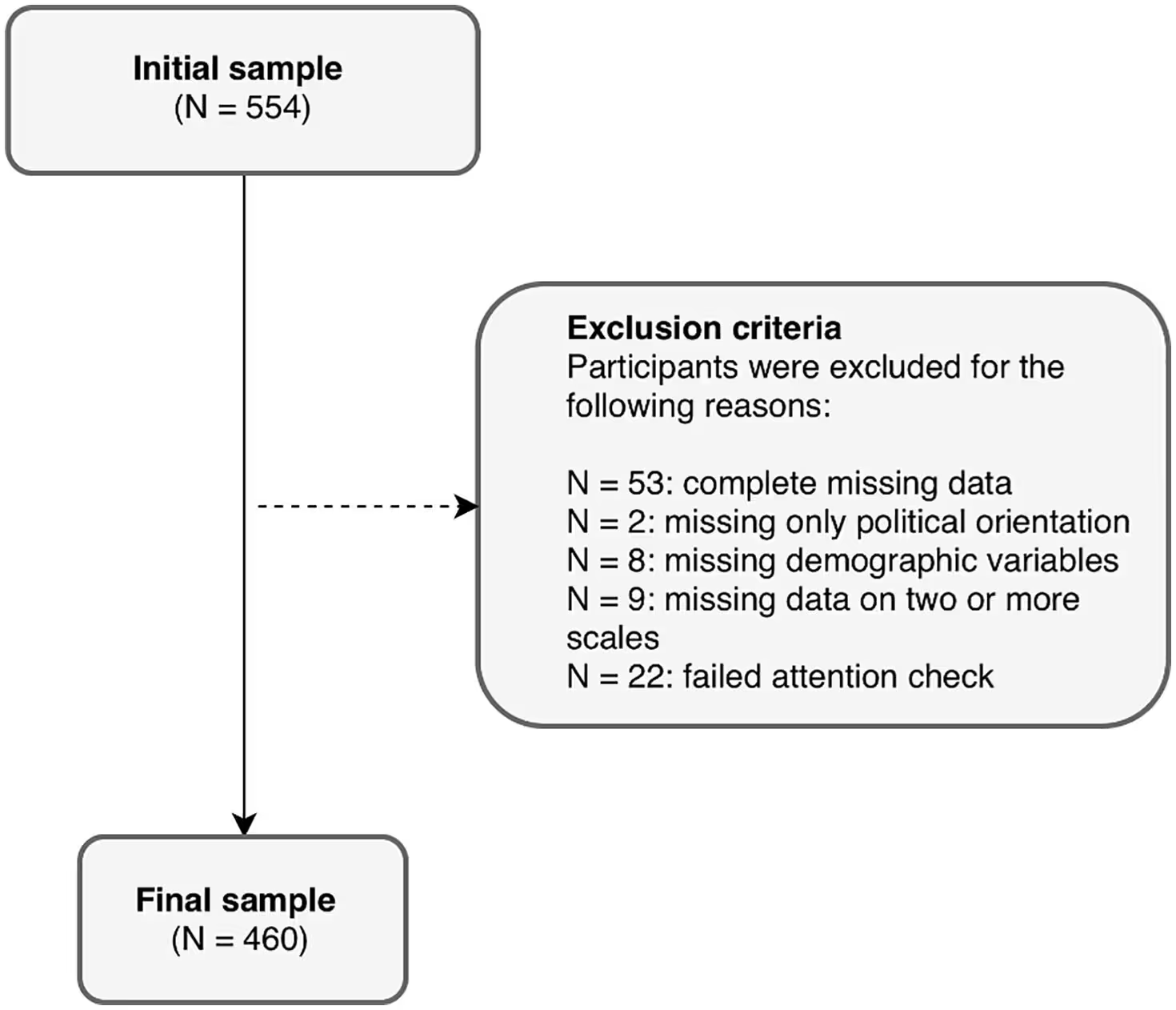
The research team surveyed 370 women and 83 men with an average age of 29 years old, all residing in Italy, using online questionnaires distributed via social media platforms between January and April 2025. Participants rated their political orientation on a scale from 1 (far left) to 7 (far right), alongside standardized measures for general conspiracy mentality, specific beliefs in climate conspiracies, and their frequency of encountering and believing 12 common pieces of climate misinformation.
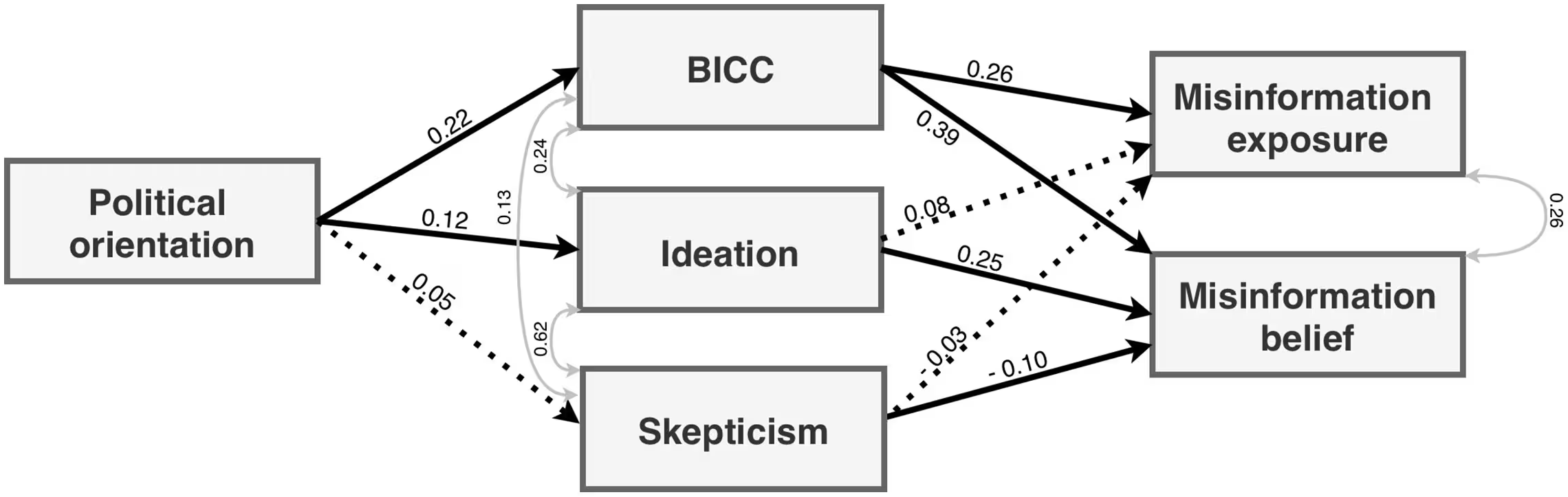
The full results are published in PLOS One. The data showed that a more conservative or right-leaning political orientation was positively associated with both a generalized conspiracy mindset and specific climate conspiracy beliefs, such as the idea that global heating is a government tax scam.
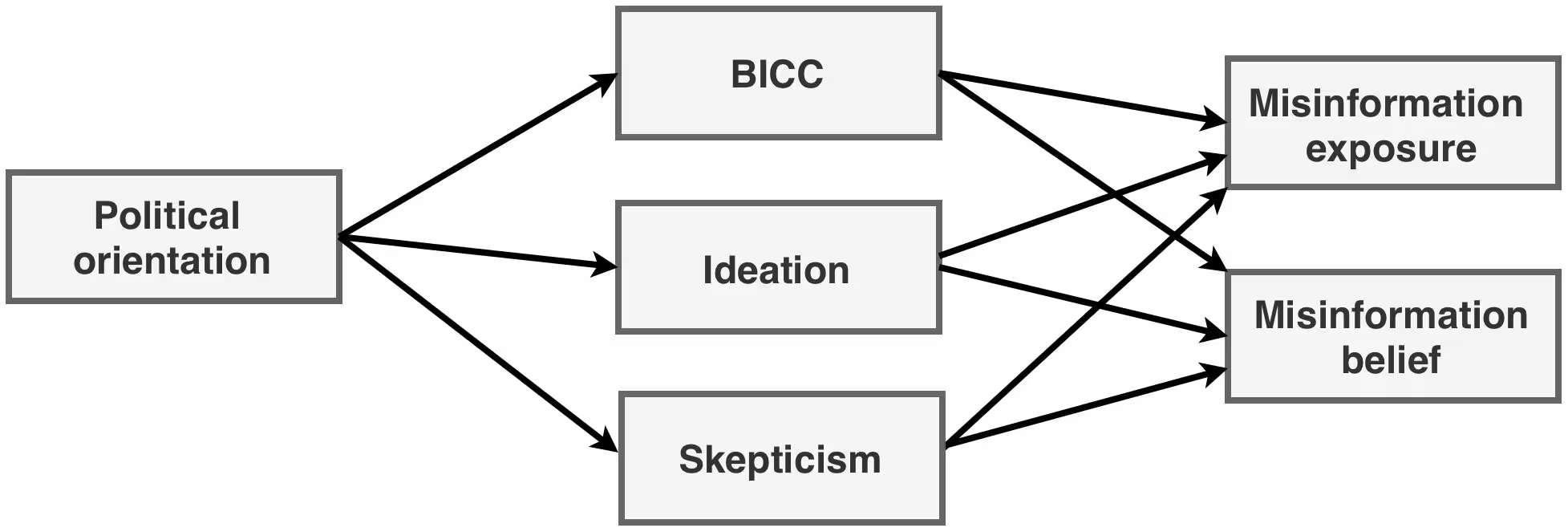
Interestingly, the path analyses revealed that climate-specific conspiracy beliefs acted as a partial bridge connecting right-wing political views to both higher self-reported exposure to misinformation and stronger belief in those false claims. General conspiracy thinking also contributed indirectly to misinformation beliefs, though it did not directly predict how often participants reported seeing the content.
Why Do Some People Encounter More Misinformation Than Others?
The authors suggest that these findings can be understood through motivated reasoning, a psychological process where people evaluate information based on whether it fits their pre-existing values. In digital environments, this tendency is often reinforced by algorithmic curation and homophily, which is the tendency of individuals to connect with like-minded peers.
People who hold strong ideological or conspiratorial worldviews may gravitate toward online echo chambers where climate skepticism is frequently shared. At the same time, social media algorithms tend to prioritize content that matches a user’s past engagement history, increasing their overall exposure to misleading narratives.
However, the researchers emphasize that because the study used a cross-sectional design, meaning it captured data at a single point in time, it cannot prove a direct cause-and-effect relationship. An alternative model where misinformation exposure leads to stronger conspiracy beliefs also showed a moderate fit, suggesting that these psychological processes might be reciprocal and self-reinforcing over time.
What Are the Limitations of the Study?
Several important caveats should be considered when interpreting these findings. First, the reliance on self-reported questionnaires means the data could be influenced by memory errors, since participants had to estimate how often they encountered specific claims over the previous three months, or by social desirability bias.
Second, the snowball sampling method used to recruit volunteers likely attracted individuals who were already interested in social or environmental issues, which may limit how well these findings apply to the broader population. Finally, the study only examined denialist climate conspiracies, leaving out alternative narratives such as warmist conspiracy theories, which claim that governments are deliberately downplaying the true severity of ecological collapse.
The authors conclude that combating climate misinformation requires looking beyond surface-level false claims to address the underlying psychological and ideological factors that make certain communities vulnerable to anti-science narratives.
The research was published in PLOS One on November 18, 2026.
This article has been fact checked for accuracy, with information verified against reputable sources. Learn more about us and our editorial process.
Last reviewed on .
Article history
- Latest version
Cite this page:
- Posted by Raj Joshi