Hidden Barriers and Resilience Shape Disability Rehabilitation in Nepal
A new qualitative review reveals how physical obstacles, social stigma, and personal agency intersect for adults and youths with disabilities.
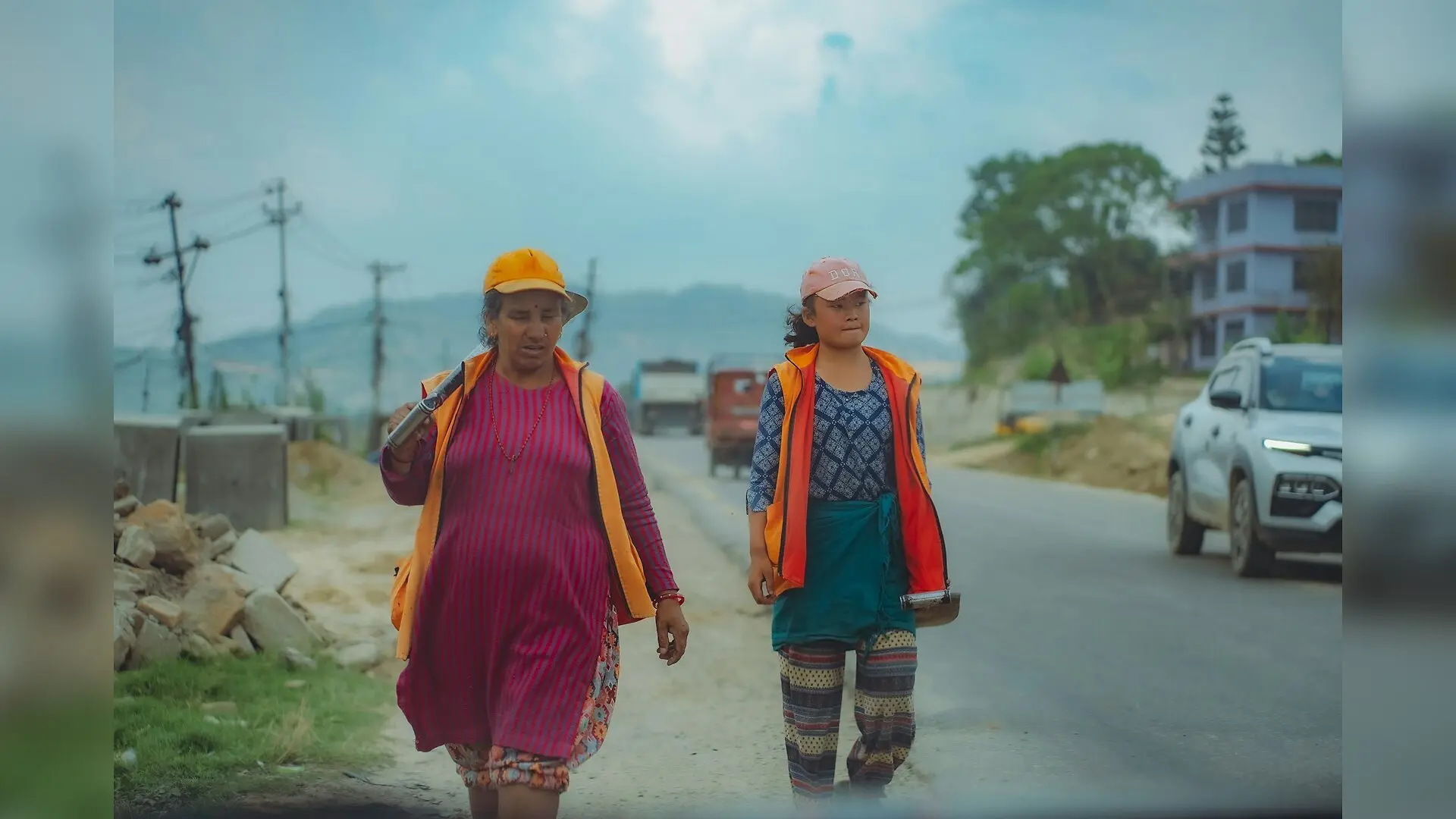
Adults and youths living with physical disabilities in Nepal navigate deep-seated systemic barriers, widespread societal stigma, and severe healthcare shortages that restrict their access to essential rehabilitation services. A comprehensive scoping review published in PLOS Global Public Health examined 71 qualitative studies to map the complex realities faced by this vulnerable demographic.
How Lived Experiences Shape Access to Care
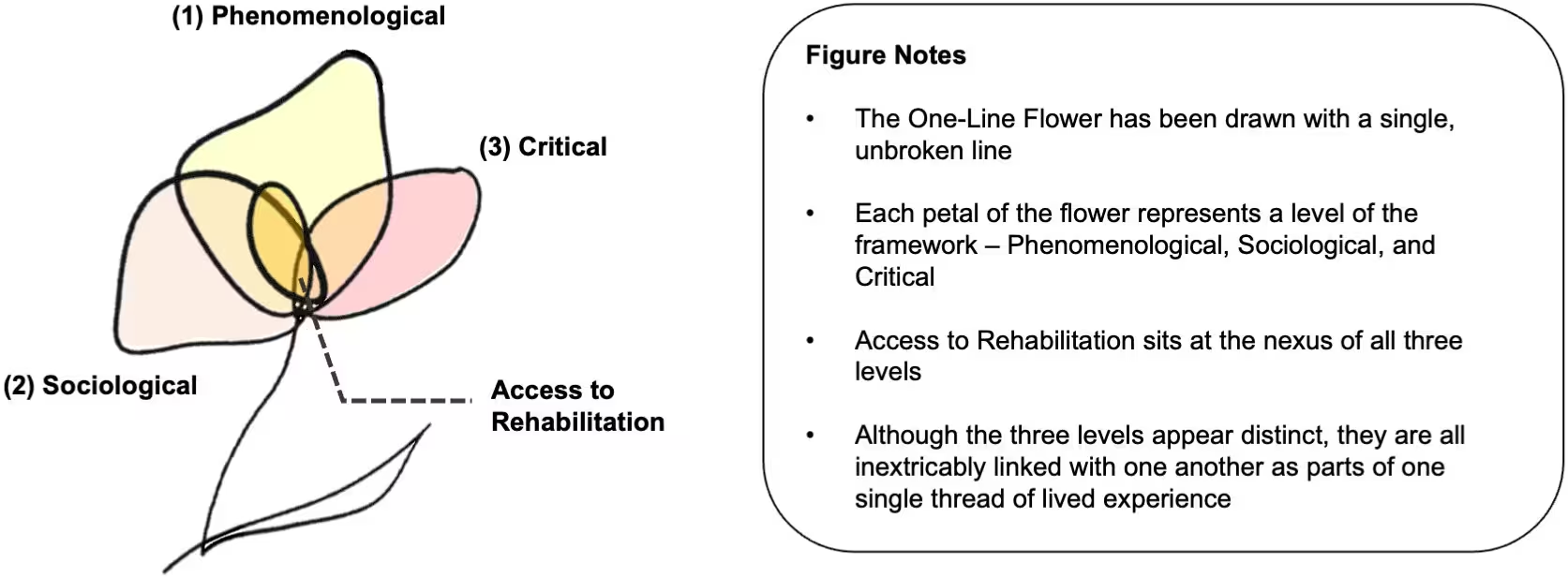
The research reveals that rehabilitation access sits at the crossroads of personal suffering, social prejudice, and structural neglect. Physical inaccessibility plagues homes, schools, workplaces, and mountainous terrain, while chronic pain and complications often go untreated due to extreme poverty. Traditional beliefs frequently attribute physical impairments to past sins or bad karma, fueling severe social stigma and discrimination. Furthermore, women with disabilities face intersectional discrimination, confronting heightened risks of gender-based violence, marital abandonment, and reproductive health challenges.
The Role of Personal Agency and Family Support
Despite facing overwhelming obstacles, individuals frequently demonstrate remarkable resilience and personal agency. Many pursue education, secure employment, and establish self-help groups to challenge exclusionary norms. Family support emerges as a critical lifeline, providing the emotional and financial backing necessary to navigate daily challenges. Organizations of persons with disabilities also serve as vital safe havens, helping members build social capital and advocate for their legal rights.
Critical Gaps in National Infrastructure
Institutional shortcomings severely hinder progress across the country. Specialized rehabilitation centers remain scarce and concentrated mainly in urban areas like the Kathmandu Valley, leaving rural residents largely unserved. Government social security allowances are often insufficient to cover basic living expenses, and the bureaucratic hurdles required to obtain disability identity cards can be daunting. The study authors emphasize that effective interventions must simultaneously address personal empowerment, societal attitudes, and structural inequities.
The research was published in PLOS Global Public Health on November 18, 2026.
This article has been fact checked for accuracy, with information verified against reputable sources. Learn more about us and our editorial process.
Last reviewed on .
Article history
- Latest version
Cite this page:
- Posted by Rohan Kumar