Digital Health Tools Missing Crucial Window for Liver Transplant Patients
A major review of virtual care technologies reveals strong benefits for medication adherence and reduced readmissions, but exposes a total blind spot during the vulnerable hospital discharge window.

Liver transplant recipients face a glaring blind spot in digital healthcare, as a comprehensive review reveals that virtual care tools completely ignore the vulnerable transition period when patients first leave the hospital. While apps and telehealth platforms have flooded outpatient clinics and long-term recovery programs, researchers found zero dedicated studies examining digital health technologies specifically for the inpatient-to-home discharge window.
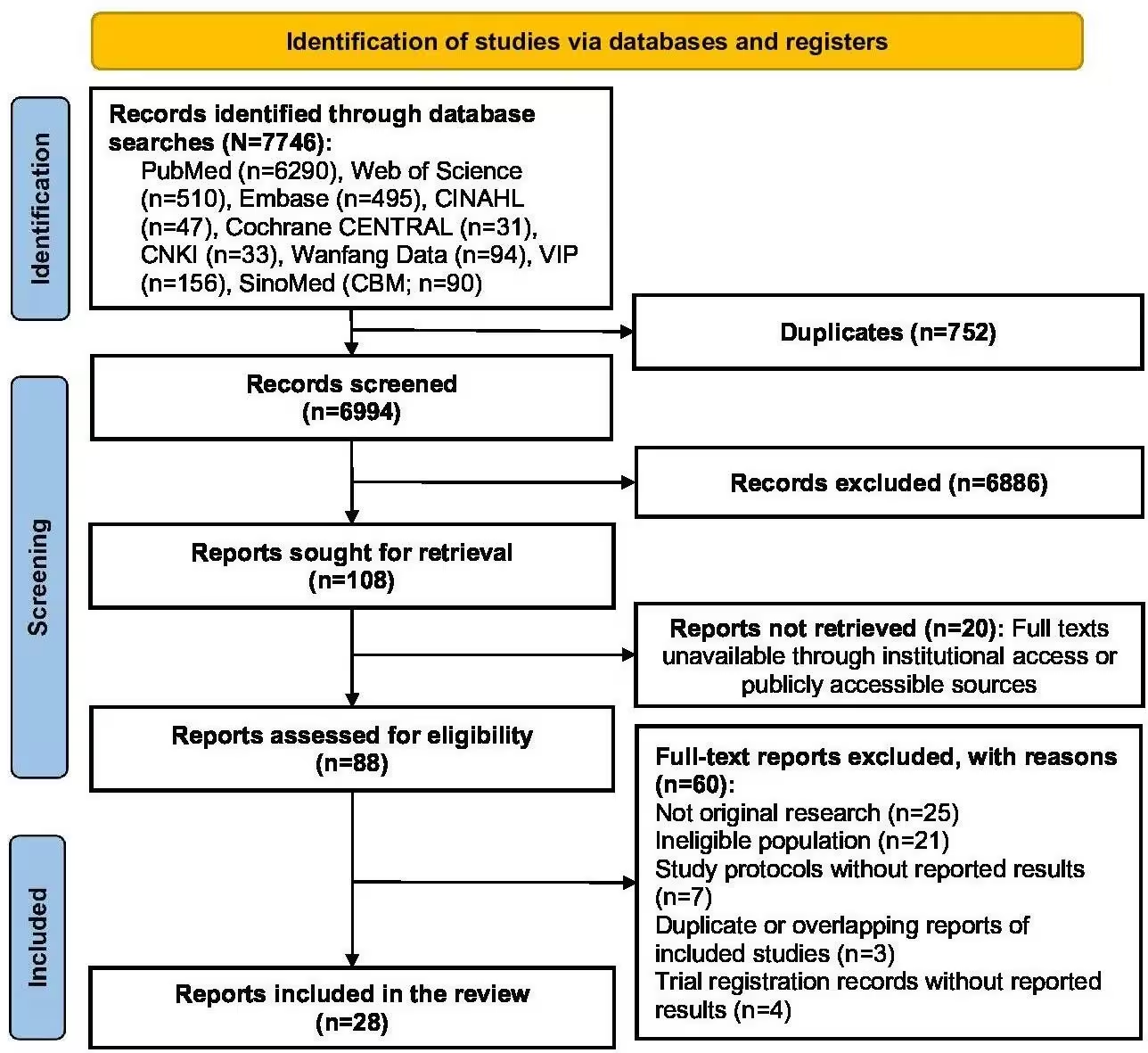
The scoping review, published in JMIR mHealth and uHealth by Wanqi Shi and colleagues from Jilin University and its affiliated hospital in China, evaluated 28 original studies published between 2012 and 2026. The international research team set out to map how mobile health technologies, telehealth systems, wearable trackers, and smart robots support individuals navigating the complex liver transplantation process.
Where Digital Health Tools Cluster Across the Transplant Journey
The investigators discovered that existing digital interventions are unevenly distributed across the transplant timeline. Out of the 28 analyzed studies, 9 focused on early posttransplant recovery, 8 spanned multiple mixed stages, 5 targeted the pretransplant candidacy phase, 4 concentrated on long-term survivorship, and 2 left posttransplant timing unspecified. Most crucially, no single project isolated the critical discharge transition phase where patients shift from hospital wards to self-managed home care.
Telehealth platforms and remote management systems dominated the technological landscape, appearing in 24 of the evaluated papers. Remote education followed closely behind as the most frequent intervention component, utilized in 22 studies to deliver guidance on medication routines, diet, and complication warning signs. Other prevalent modalities included internet-based communication tools in 20 studies, mobile apps in 8 studies, portable wearables in 4 studies, and intelligent telemedicine robots in 3 studies.
What Randomized Controlled Trials Reveal About Patient Outcomes
Among the literature pool, 9 investigations utilized randomized controlled designs to test the clinical impact of digital tools. These rigorous trials demonstrated that remote monitoring and app-supported care excel at driving proximal behavioral changes. For instance, one randomized trial involving 106 participants demonstrated that telemedicine-based home monitoring slashed 90-day hospital readmission rates down to 28 percent compared to 58 percent in standard care groups.
Another randomized study pairing a WeChat educational application with supervised family intervention reported a dramatic drop in postoperative complications, down to just over 2 percent versus more than 17 percent in routine care. Across multiple randomized projects, scores measuring medication adherence, self-management capability, and psychological well-being consistently favored the digital intervention groups. However, broader metrics such as overall health-related quality of life and physiological markers showed much less consistent improvements.
The Gap Between Initial App Downloads and Sustained Engagement
Beyond clinical markers, 15 papers tracked implementation metrics like user satisfaction, technological usability, and patient participation rates. These findings exposed a significant hurdle in digital medicine: willingness to download an app does not guarantee long-term usage. In one outpatient tracking cohort where 91.9 percent of eligible recipients initially agreed to participate, only 57.3 percent owned a compatible device, and just 33.8 percent actively utilized the application.
Furthermore, nearly 60 percent of active users voiced concerns regarding data privacy. Researchers emphasized that high satisfaction scores reported in short pilot tests should not be mistaken for proof of scalable, long-term integration into daily medical routines. Barriers such as limited device access, digital literacy gaps among older adults, and hidden infrastructural costs continue to challenge widespread adoption.
Next Steps for Specialty-Specific Virtual Care Models
The authors concluded that while digital health holds immense potential for streamlining transplant follow-up, the field remains at an early stage of development. Future research must prioritize multicenter trials with larger sample sizes, standardize outcome measures, and conduct rigorous economic evaluations to weigh equipment and staffing expenses against reductions in hospital visits. Investigators also stressed the urgent need to design specialized digital interventions tailored specifically for the high-risk discharge window between hospital doors and the patient’s home.
The research was published in JMIR mHealth and uHealth on November 16, 2026.
This article has been fact checked for accuracy, with information verified against reputable sources. Learn more about us and our editorial process.
Last reviewed on .
Article history
- Latest version
Reference(s)
- Shi, Wanqi., et al. “Applications and Current Landscape of Digital Health Technologies in the Continuity of Care for Liver Transplant Candidates and Recipients: Scoping Review.” JMIR mHealth and uHealth, vol. 14, November 16, 2026, pp. e106470-e106470. JMIR Publications Inc., doi: 10.2196/106470. <https://doi.org/10.2196/106470>.
Cite this page:
- Posted by Raj Joshi