Hidden Root Fungus Helps Grass Survive Toxic Mine Soil Through Heat-Triggered Defenses
Extreme heat and iron levels cause a specialized root endophyte to ramp up hormone and melanin production, blocking toxic metals from reaching plant shoots.
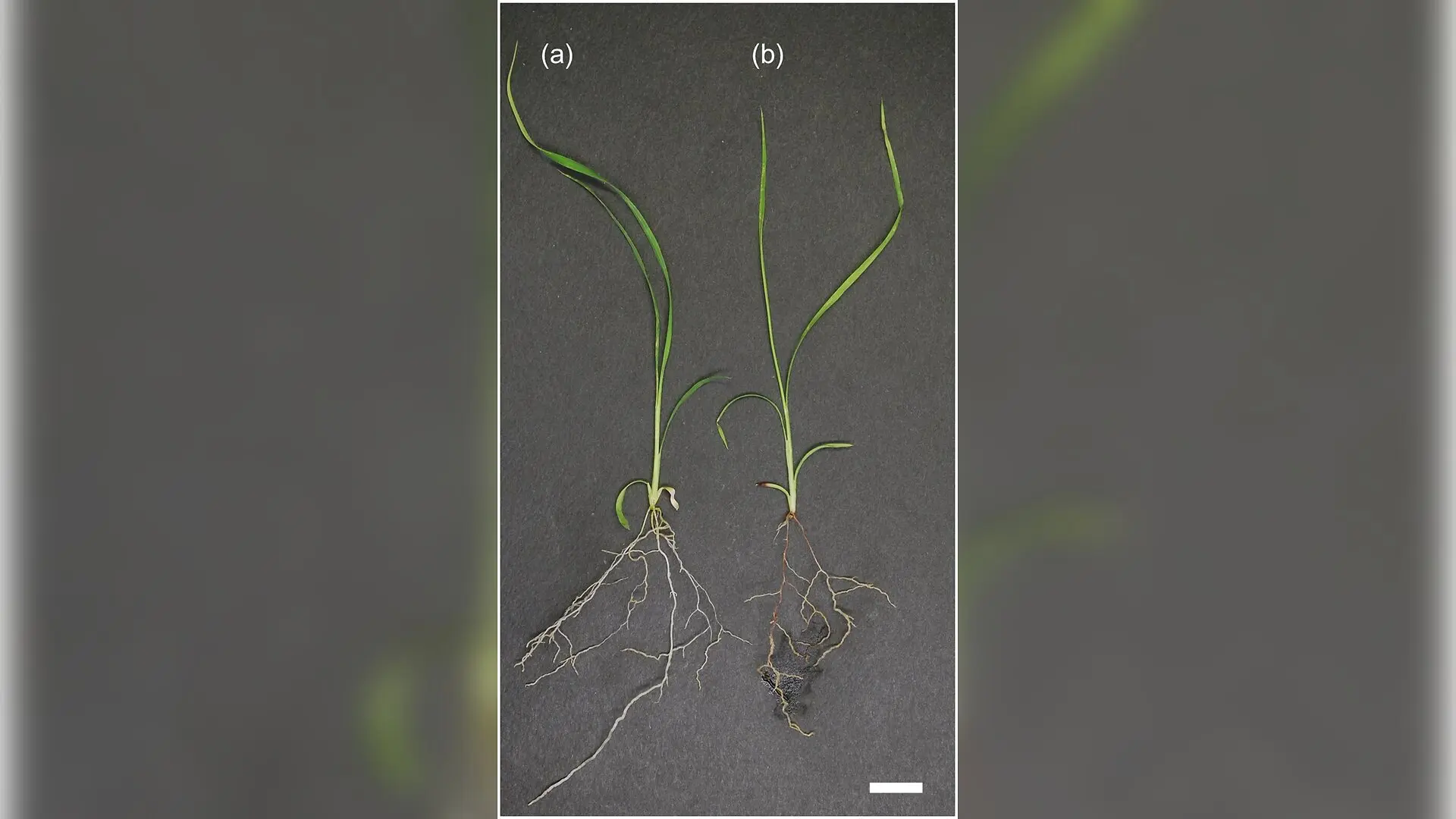
A humble root fungus living inside hardy wild grasses helps seedlings survive scorching, metal-laden mine soil by cranking up its chemical defenses when temperatures and iron levels spike. Researchers investigating the harsh bare ground of abandoned mining sites found that a microscopic plant partner changes its behavior under extreme environmental pressure, unlocking a survival strategy that could help green degraded landscapes.
Mining operations leave behind massive tracts of waste material that challenge ordinary plants with high acidity, heavy metal contamination, and intense soil temperature swings. Yet pioneer plants like Miscanthus sinensis, a tall perennial grass widely known as Chinese silver grass, manage to colonize these barren sedimentary deposits in places like Akita Prefecture, Japan. To understand how these grasses thrive where little else grows, botanists previously isolated a specialized fungus from their roots known as a dark septate endophyte, which lives entirely within plant tissues without causing disease.
The research team set out to test whether this specific fungal resident, named Aquapteridospora rhizicola, acts as a hidden engine for plant survival. Working with sterilized soil collected directly from an old mine site, the authors conducted controlled inoculation tests mimicking both normal greenhouse conditions and the punishing thermal realities of bare ground. The study is published in PLOS ONE.
How Temperature and Iron Trigger Fungal Growth Boosts
Under standard laboratory temperatures, the fungal inoculation did little to alter seedling development. But when researchers dialed up the thermal conditions to match actual bare ground measurements peaking at roughly 32 degrees Celsius during the day and dropping near 21 degrees at night, the results shifted dramatically. Seedlings partnered with the fungus showed significant increases in maximum leaf length, height, fresh weight, and dry weight compared to uninfected control plants.
To pinpoint the biological drivers behind this sudden growth spurt, the team analyzed how the fungus reacts to stressors like heavy iron concentrations and elevated heat. Although high temperatures and 125 parts per million of iron actively suppressed overall fungal tissue mass in isolation, they paradoxically triggered a massive surge in the production of indole-3-acetic acid, a primary plant growth hormone. This chemical boost helps explain why the fungal partner stimulates host development specifically under the harshest environmental pressures.
Why Heavy Metals Stop Rising Into Plant Shoots
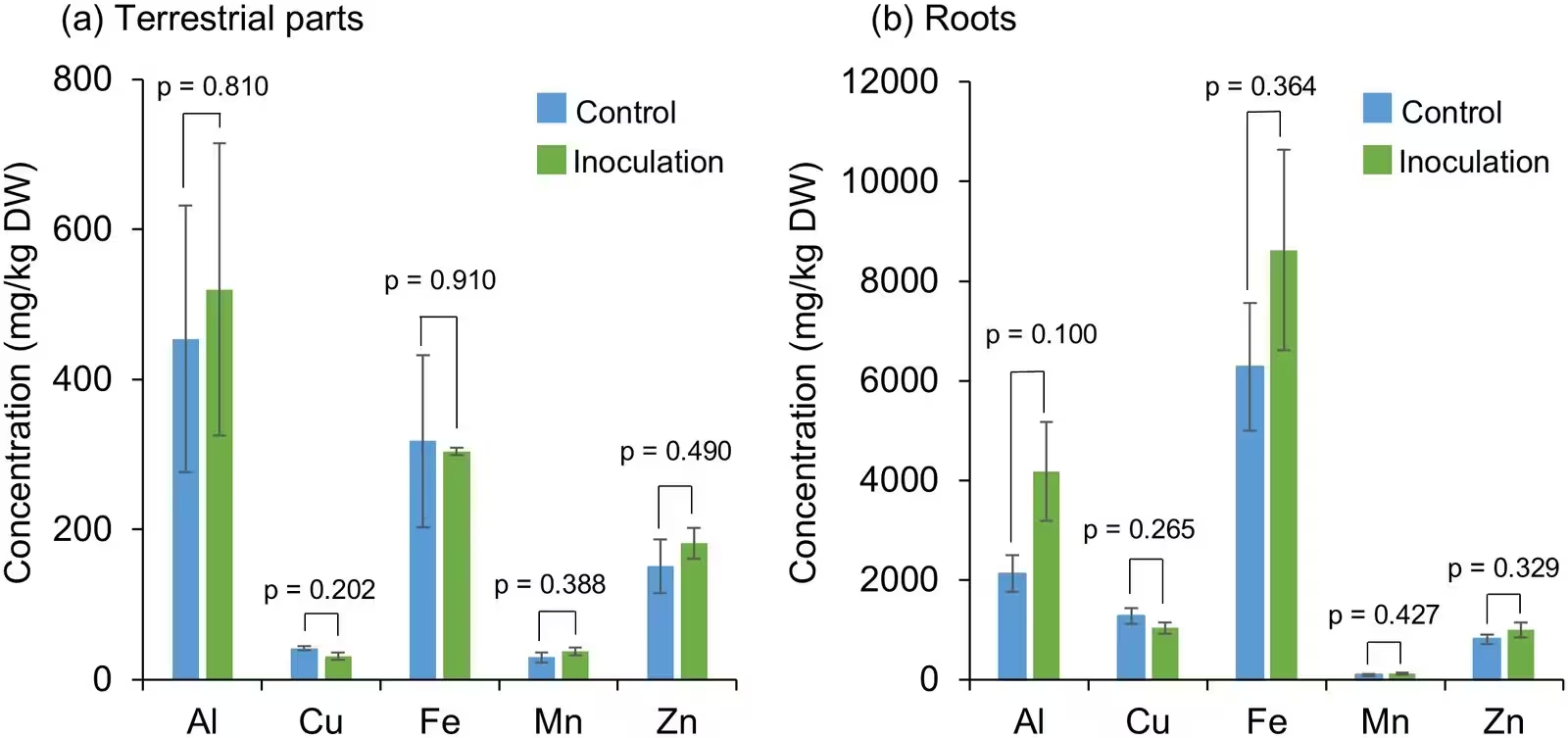
Beyond accelerating growth, the fungal partnership altered how toxic elements moved through the plant tissues. Chemical analyses revealed that infected seedlings maintained significantly lower translocation factors for zinc, meaning less of the toxic heavy metal traveled from the roots into the vulnerable terrestrial shoots. Zinc concentrations in the plant stems exceeded 1,000 milligrams per kilogram of dry weight, well above normal toxic thresholds, making this blockage critical for survival.
The researchers attribute this protective barrier to a dramatic increase in fungal melanin production. Melanin, a dark pigment found in the cell walls of dark septate endophytes, possesses powerful antioxidant properties and a high capacity for binding heavy metals. Under combined high temperature and iron stress, the fungus produced nearly double the amount of melanin seen in control conditions, effectively trapping harmful metals inside the root system and shielding the host from oxidative damage.
Revegetating Mined Land With Native Symbiosis
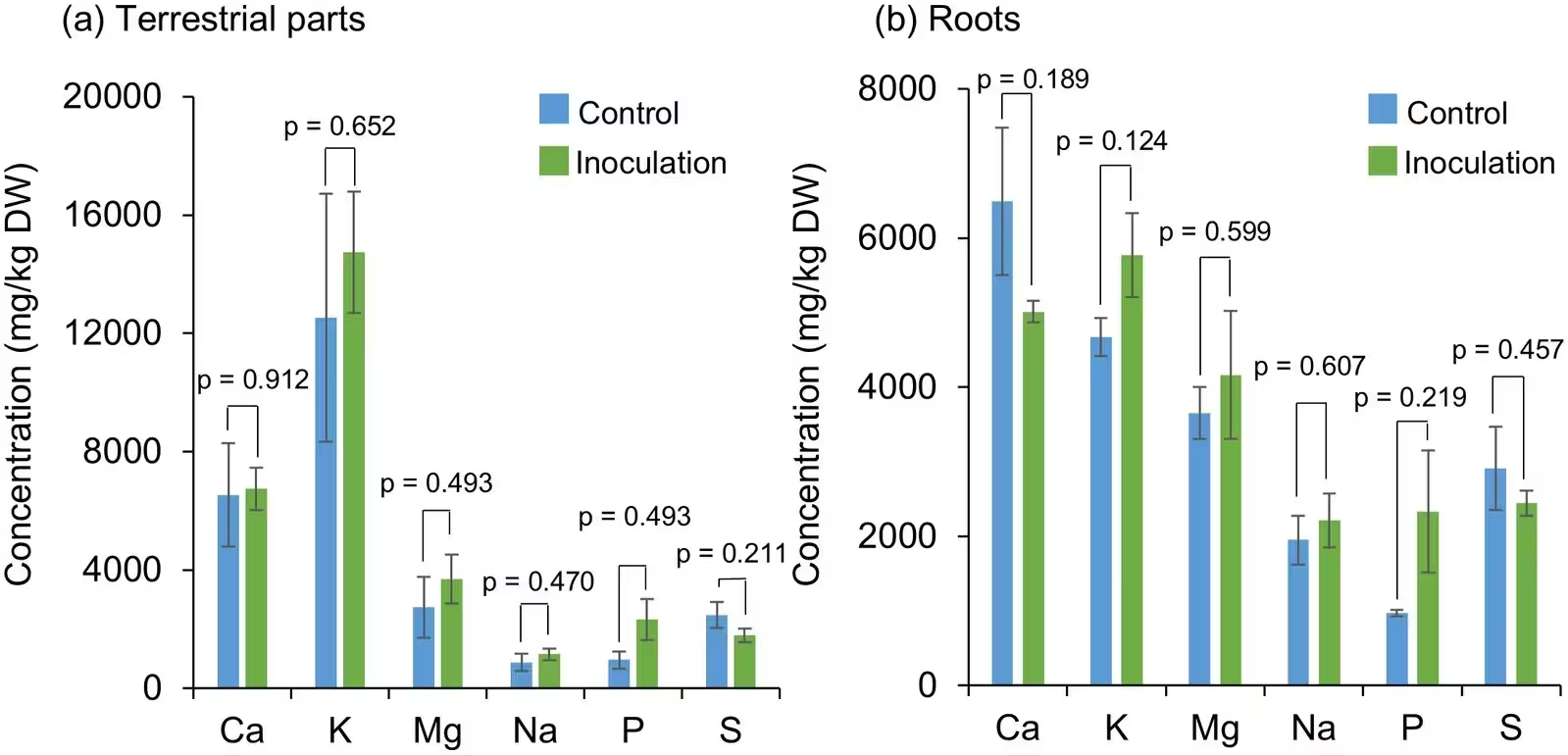
The experiments also revealed a targeted shift in nutrient management, with the fungus driving higher concentrations of magnesium into the roots while reducing it in the shoots. Magnesium is vital for stabilizing cell membranes and activating antioxidant enzymes during heavy metal stress, so concentrating it in the subterranean tissue allows the grass to better manage subterranean toxicity.
While the study demonstrates powerful mutualistic benefits under simulated field conditions, the authors note that the seeds used across different temperature trials came from different years, introducing potential variations in baseline genetics and physiological states. Future field trials will be needed to verify how these native microbial partnerships perform across entire seasons, but the findings highlight an ecologically smart approach for restoring barren mining sites by harnessing the hidden power of localized plant-fungal alliances.
The research was published in PloS one on January 1, 2026.
This article has been fact checked for accuracy, with information verified against reputable sources. Learn more about us and our editorial process.
Last reviewed on .
Article history
- Latest version
Reference(s)
- Matsushiro, Yuta., et al. “Root endophytic Aquapteridospora rhizicola enhances growth and heavy metal tolerance of Miscanthus sinensis Andersson at a sedimentary site via indole-3-acetic acid and melanin production enhanced by high Fe and high temperature.” PLOS One, vol. 21, no. 10, October 27, 2026, pp. e0359285 Public Library of Science (PLoS), doi: 10.1371/journal.pone.0359285. <https://doi.org/10.1371/journal.pone.0359285>.
Cite this page:
- Posted by Raj Joshi