Ethiopian Farming Basin Faces Growing Climate and Population Pressures
A comprehensive survey of 384 households reveals how elevation, soil degradation, and land fragmentation threaten traditional agroforestry in southern Ethiopia.
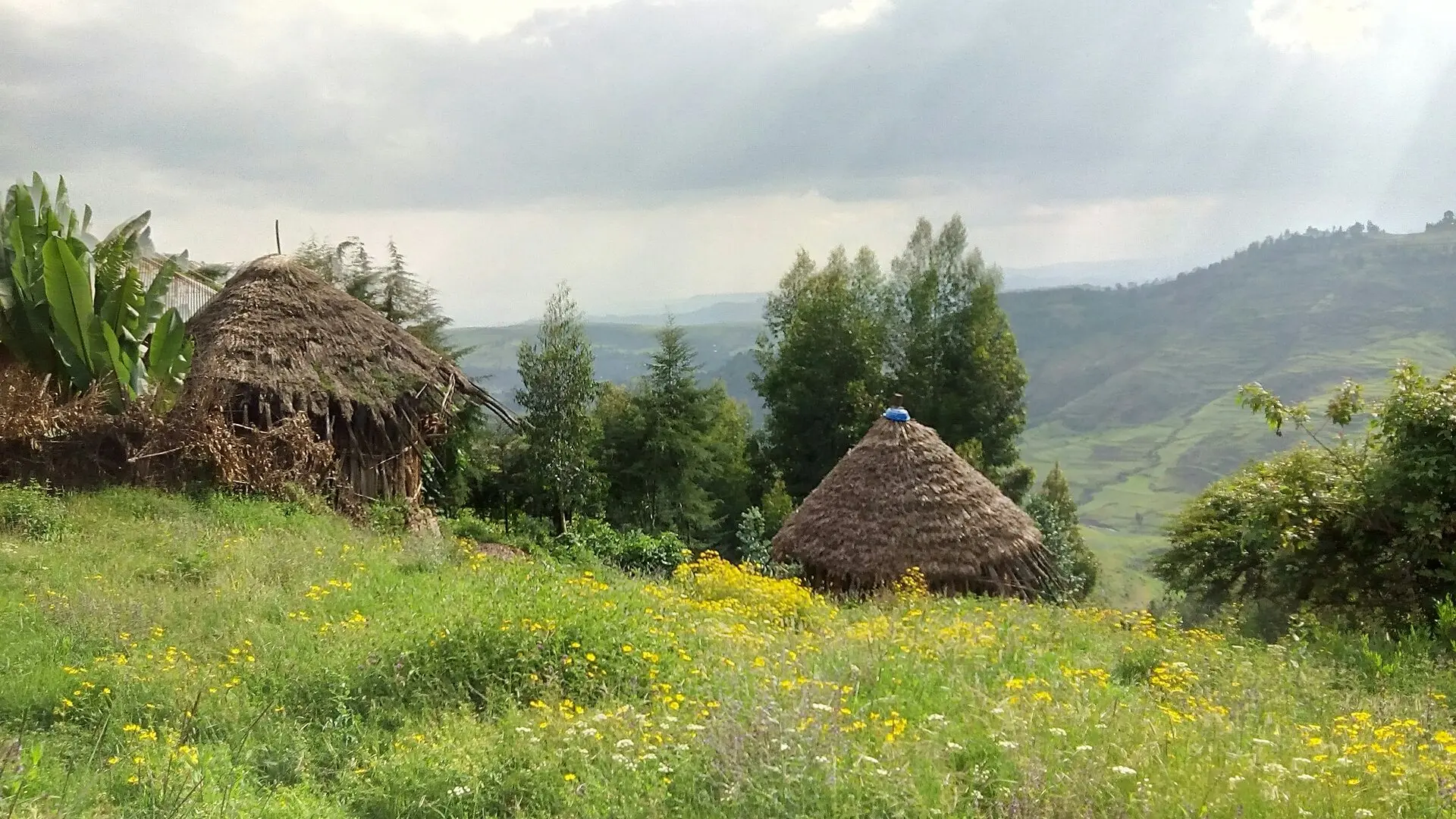
Farmers living across the diverse landscapes of southern Ethiopia are finding that generations of traditional agricultural knowledge are no longer enough to withstand mounting environmental pressures and erratic weather patterns. A comprehensive new assessment of the Gidabo sub-basin reveals a sharp ecological divide across three distinct elevation zones, where population growth, recurring droughts, and shrinking farm sizes are steadily eroding the capacity of local farming systems to feed rural communities.
Mapping the Elevation Zones and Farming Realities
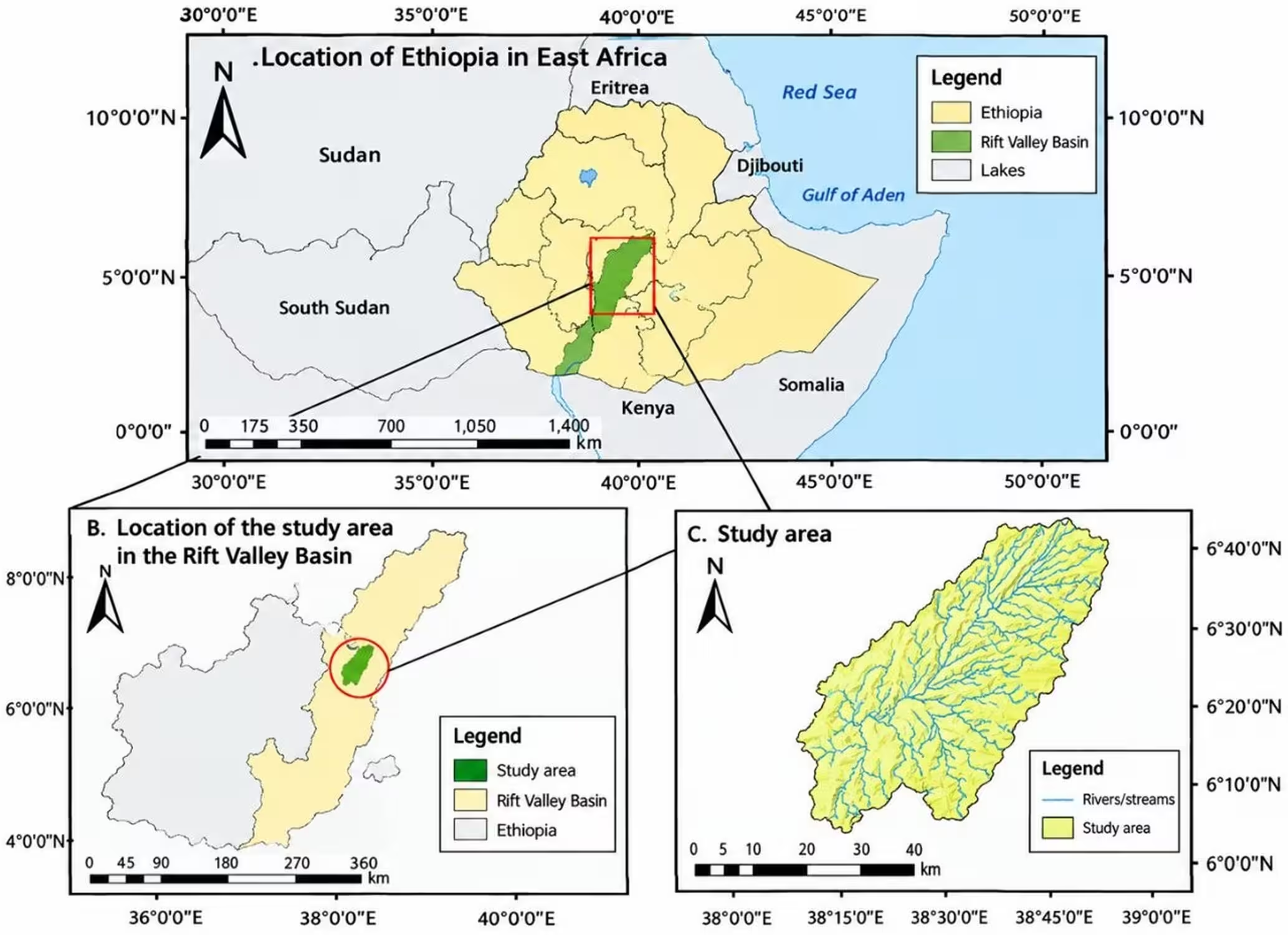
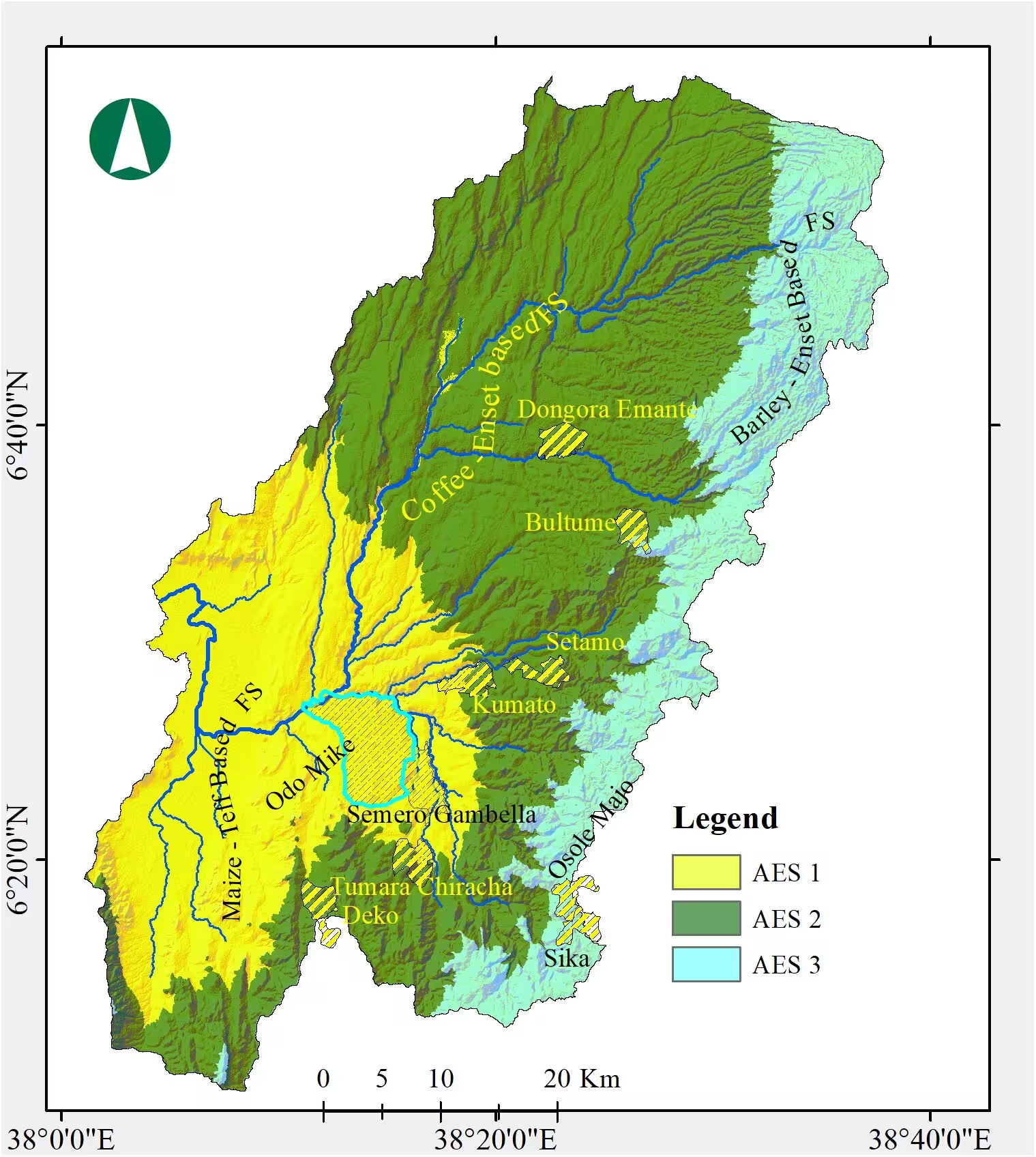
The study, published in PLOS One, examined the intricate relationship between topography, soil types, and farming practices across an elevation gradient ranging from 1,171 to 3,213 meters above sea level. Researchers combined satellite data from NASA’s Shuttle Radar Topography Mission with detailed surveys of 384 farm households across five districts. Their analysis shows that 67.2% of the local population is concentrated in the midland agro-ecological zone, which covers roughly 64.6% of the total basin area and is dominated by rolling plateaus and fertile soils.
In contrast, the highlands account for 14.3% of surveyed households and feature steep slopes exceeding 30 percent, where acidic soils and cooler temperatures shape mixed cereal and livestock production. Meanwhile, the lowlands make up 18.5% of households, occupying flat terrain prone to semi-arid conditions, high temperatures, and recurring water shortages. Across all three zones, subsistence farming remains the primary way of life, with families relying almost entirely on seasonal rainfall.
Biodiversity Hotspots Under Pressure
The midland zone emerged as the most ecologically rich area in the sub-basin, largely due to its renowned enset-coffee homegarden agroforestry systems. Enset, often referred to locally as false banana, serves as a vital staple food alongside cash-crop coffee, while diverse native shade trees such as Cordia africana and Millettia ferruginea protect the soil and provide organic matter. Vegetation surveys recorded the highest species richness in midland forest remnants like Machisho, with up to 84 plant species and robust biodiversity index scores.
Conversely, the highland and lowland zones display significantly lower biological diversity. Highland farms are increasingly dominated by a handful of cold-tolerant crops such as barley and potatoes, alongside the introduction of eucalyptus trees. In the lowland semi-arid plains, drought-tolerant species like Moringa stenopetala and Balanites aegyptiaca persist, but heavy deforestation for charcoal production and fuel wood has severely reduced native vegetation cover and left soils exposed to erosion.
Overlapping Constraints Threatening Long-Term Livelihoods
Agricultural productivity in the basin is heavily constrained by both environmental shocks and socioeconomic pressures. Rapid population growth has driven severe land fragmentation, leaving households with smaller plots that struggle to support family needs. Furthermore, researchers identified widespread vulnerability to biotic stressors, with crop pests, stalk borers, and animal diseases such as bovine trypanosomiasis creating severe economic losses in vulnerable zones.
Climate stressors compound these difficulties. Lowland communities face acute drought conditions and erratic rainfall that repeatedly ruin harvests and devastate livestock herds during dry months. At the same time, limited access to institutional credit, agricultural extension services, and improved seed varieties prevents farmers from investing in modern productivity-enhancing technologies.
Targeted Adaptation Strategies for a Changing Climate
To cope with these mounting challenges, smallholders have implemented various local adaptation measures, including planting drought-resistant crop varieties, constructing soil and water conservation structures like stone bunds, and engaging in off-farm income generation such as petty trading and beekeeping. However, the authors emphasize that these spontaneous measures remain insufficient to overcome systemic vulnerabilities without stronger institutional backing.
The researchers recommend tailored, zone-specific interventions to secure the future of the basin’s agro-ecosystems. These include expanding water harvesting and veterinary services in the lowlands, promoting organic soil fertility management and land consolidation in the midlands, and applying agricultural lime alongside physical erosion barriers in the steep highlands to protect fragile soils from further degradation.
The research was published in PLOS One on November 16, 2026.
This article has been fact checked for accuracy, with information verified against reputable sources. Learn more about us and our editorial process.
Last reviewed on .
Article history
- Latest version
Reference(s)
- Kurssie, Haimanot. “Agro-ecosystem Characterization and Climate Change Adaptation in Smallholder Systems in the Gidabo Sub-basin, Southern Ethiopia.” PLOS ONE, vol. 21, no. 11, pp. e0357366, doi: 10.1371/journal.pone.0357366. <https://doi.org/10.1371/journal.pone.0357366>.
Cite this page:
- Posted by Raj Joshi