Banned for 90 Years, This Building Material Returns With 15x Concrete’s Insulation and Centuries of CO₂ Storage
…
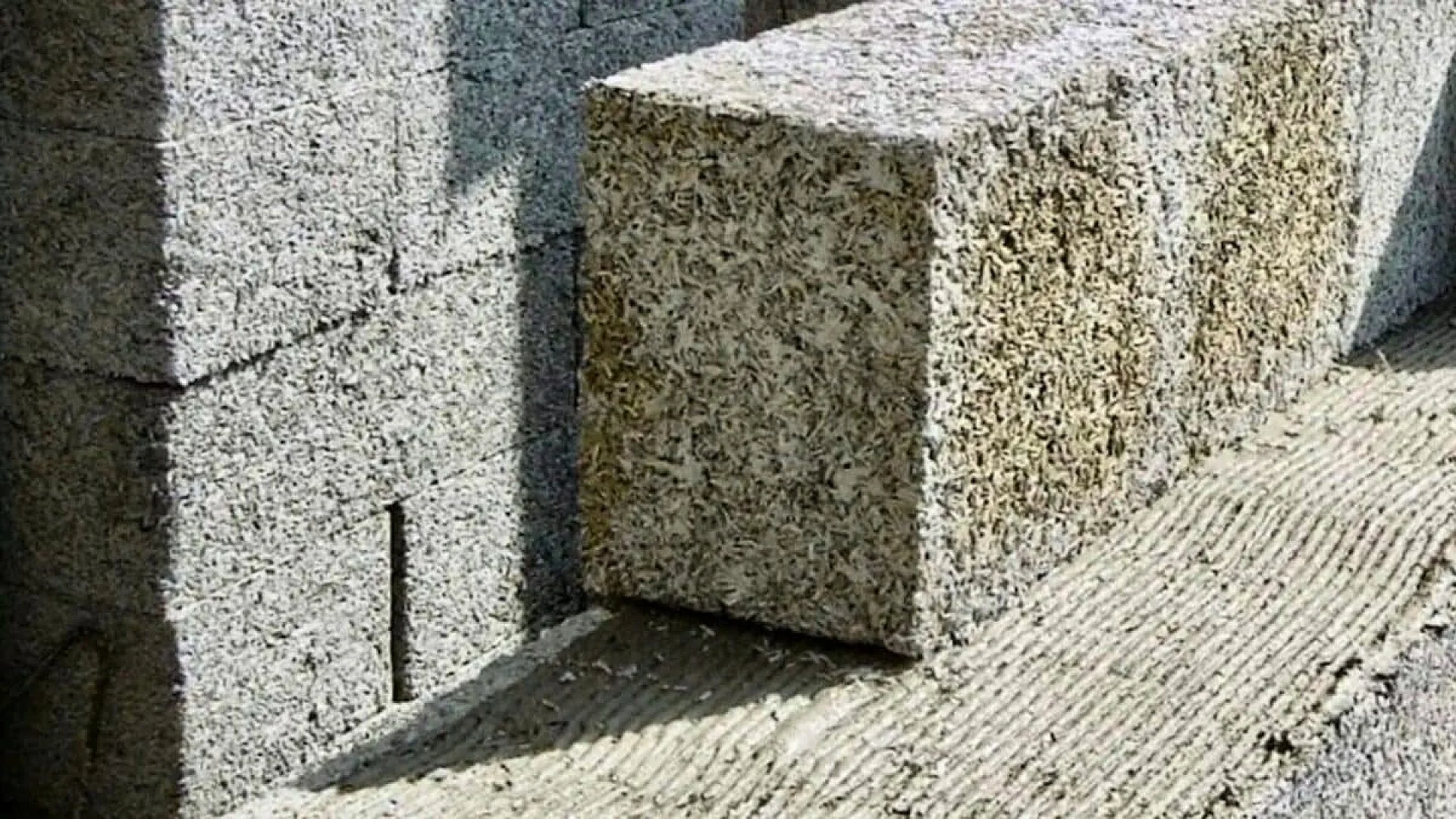
A crop that was heavily restricted for nearly a century is making a comeback in the construction sector as an approved building insulation material. The material combines the inner woody core of hemp plants with a lime-based binder to create non-structural wall infills.
The International Code Council recently approved hemp-lime construction for integration into the 2024 International Residential Code. This formal update allows builders to utilize the material in residential structures across many US states without needing custom engineering variances.
Before this regulatory update, contractors faced significant legal and administrative barriers when using hemp-based materials. The plant was effectively banned in the United States for nearly 90 years because federal laws did not distinguish industrial hemp from varieties of cannabis that contain high levels of psychoactive compounds.
The regulatory path altered when the 2018 Farm Bill legally separated industrial hemp from marijuana at the federal level. Following that legislative change, the US Hemp Building Association led a multi-year effort to submit testing data and architectural standards to national code administrators.
A report published by Reasons to be Cheerful indicates that the code inclusion applies specifically to one- and two-family dwellings. The material must adhere to precise blending ratios and thickness parameters specified in the updated annex.
Architects and environmental scientists are analyzing the physical performance data of hemp-lime mixtures as commercial interest grows. The material functions primarily as an insulation layer that is cast around a standard structural timber frame rather than acting as a direct load-bearing replacement for standard concrete.
The Physical Properties of Hemp-Lime Mixtures
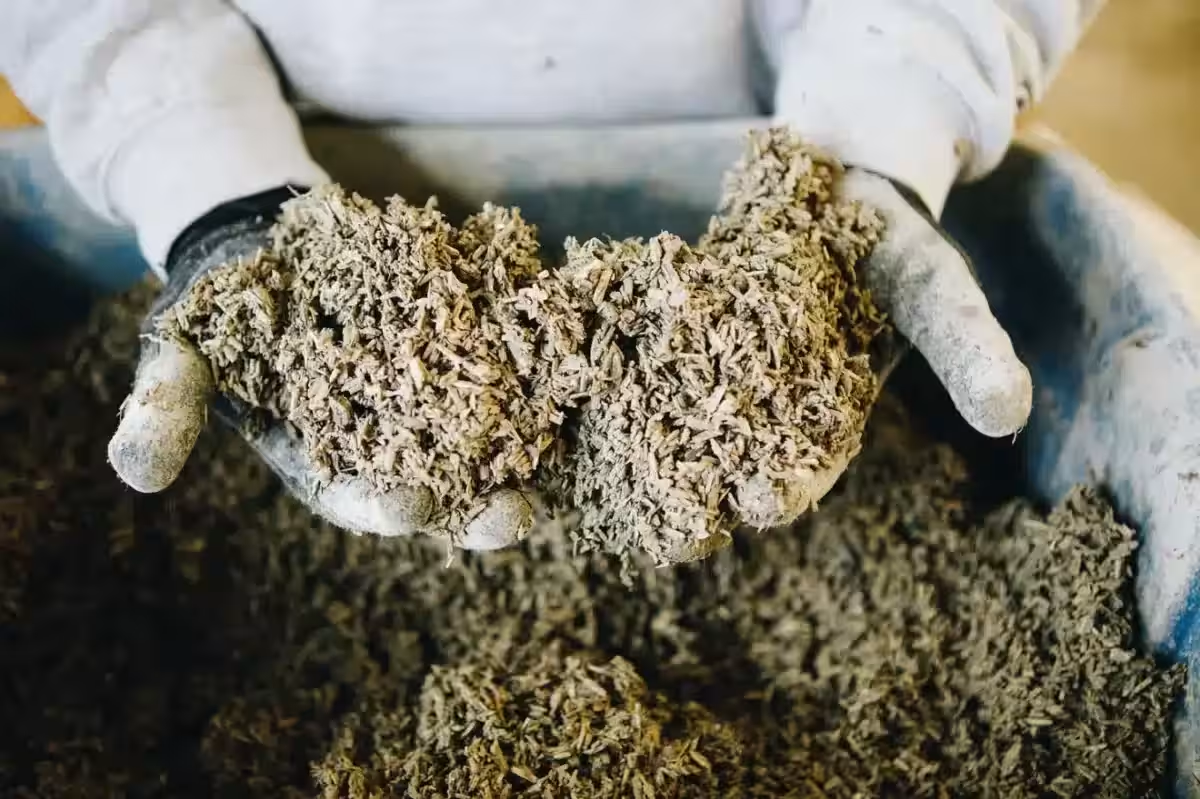
The inner core of the hemp stalk consists of a woody substance known as the hurd. When processing facilities separate these hurds from the outer fibers of the plant, the raw material is mixed with hydrated lime and water to initiate a chemical curing process.
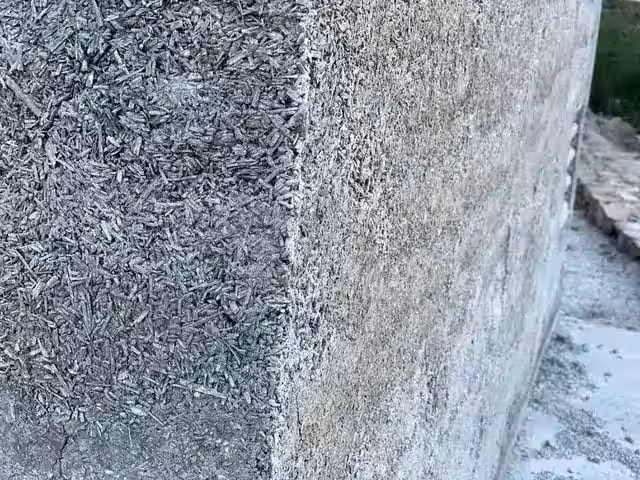
A technical analysis published in an NCBI scientific review shows that the lime binder coats the porous hemp hurds, creating a lightweight matrix. Over time, the lime reacts with carbon dioxide in the air, undergoing a carbonation process that gradually converts the binder into calcium carbonate stone.
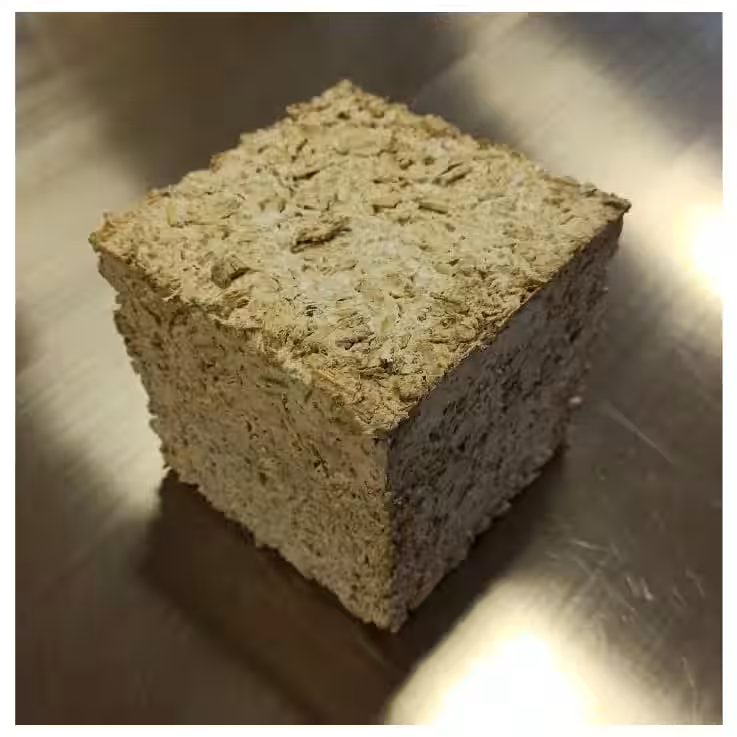
The resulting composite material provides a thermal insulation capacity that can be up to 15 times greater than standard concrete. This thermal efficiency helps stabilize indoor temperatures by reducing the rate of heat transfer through the exterior walls of a home.
The material also exhibits specific moisture-handling characteristics known as hygroscopic behavior. The open pore structure allows the walls to absorb water vapor from indoor spaces during periods of high humidity and release it when the air becomes dry.
This breathability prevents the accumulation of liquid water inside the wall assembly. By eliminating trapped moisture, the chemical composition of the lime binder maintains a high pH level that naturally resists the growth of mold and deters insect infestations.
How Houses Can Inhale Atmospheric Emissions
The construction sector generates a substantial percentage of global carbon emissions through the manufacturing of traditional fiberglass, drywall, and concrete. Industrial hemp acts as a carbon sink during its agricultural growth phase, absorbing carbon dioxide from the atmosphere through photosynthesis.
The Guardian states that the fast-growing crop captures carbon at a rate that allows the final assembled material to approach a carbon-negative profile. The volume of carbon dioxide captured and stored within the plant tissue often exceeds the total emissions generated by harvesting, processing, and transporting the material.
The agricultural lifecycle of the crop requires fewer chemical inputs than many standard industrial materials. Hemp plants reach maturity within 90 to 120 days, allowing farmers to rotate the crop quickly while deep root systems help stabilize agricultural topsoil.
Once placed inside a building envelope, the carbon sequestered by the hemp is locked into the structure for the duration of the building’s operational lifespan. If a structure is eventually demolished, the cured hemp-lime material can be crushed and returned to the earth because it lacks synthetic chemical additives.
Despite these properties, builders emphasize that the material cannot be utilized for sub-grade foundations. Prolonged, direct contact with wet soil prevents the lime binder from breathing properly, which can cause the organic hemp hurds to degrade over time.
Supply Chains and Processing Bottlenecks
While the updated building codes provide a clear legal pathway for construction, regional supply chains face ongoing infrastructure limitations. The specialized machinery required to process raw hemp stalks remains scarce in many parts of North America.
Farmers must transport harvested stalks to specialized facilities equipped with industrial decorticators. These machines mechanically crack the stalks to separate the tough exterior fibers from the inner hurds required for construction blending.
Because few high-capacity decortication facilities currently operate in the United States, transportation costs for raw materials can limit the financial feasibility of regional projects. Many early hempcrete structures relied on imported hurds from European countries where industrial hemp cultivation remained legal throughout the 20th century.
Domestic processing capacity is expanding slowly as investment moves toward agricultural manufacturing hubs. The growth of these regional processing centers directly influences the availability and retail cost of the material for local contractors.
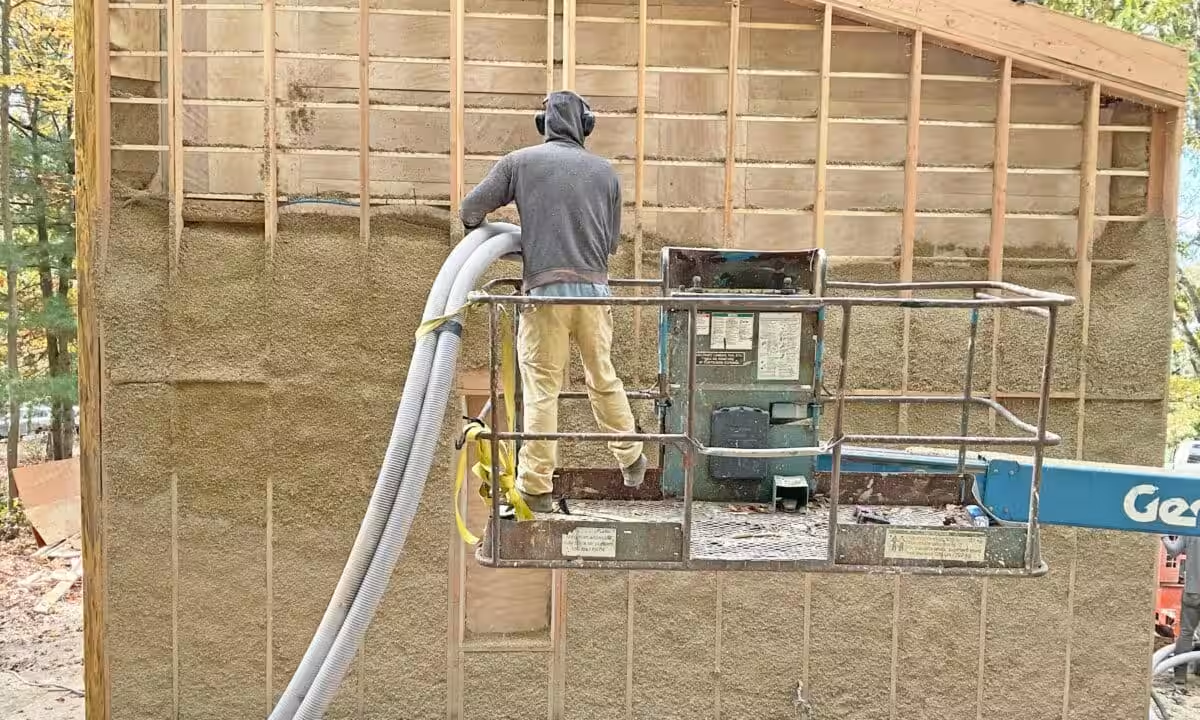
Architectural firms are also developing pre-fabricated hemp blocks and spray-applied application methods to reduce the manual labor required on construction sites. Traditional installation requires workers to hand-tamp the wet mixture into temporary wooden forms, a process that demands significant time and field oversight.
This article has been fact checked for accuracy, with information verified against reputable sources. Learn more about us and our editorial process.
Last reviewed on .
Article history
- Latest version
Reference(s)
- Yeung, Peter. “A Building Material That Consumes CO2 Has Finally Come to the US.”, November 10, 2022 Reasons to be Cheerful <https://reasonstobecheerful.world/hempcrete-construction-us-building-code-sustainable/>.
- Janowska-Renkas, Elżbieta. “Hemp Concrete with Mineral Additives as a Durable and Fire-Resistant Material in Green Construction.”, vol. 18, no. 9, pp. 1905 PubMed Central (PMC), doi: 10.3390/ma18091905. <https://pmc.ncbi.nlm.nih.gov/articles/PMC12072290/>.
- Helmore, Edward. “‘It’s almost carbon-negative’: how hemp became a surprise building material.”, February 15, 2024 The Guardian <https://www.theguardian.com/environment/2024/feb/15/its-almost-carbon-negative-how-hemp-became-a-surprise-building-material>.
Cite this page:
- Posted by William Moore