For the First Time in Legal History, a Government Has Given Insects the Legal Right to Live, Thrive, and Sue Humans in Court
The regulations now resemble a charter of liberties for pollinators. Judges are required to weigh harm inflicted upon these creatures and the woodland, not solely on human interests.
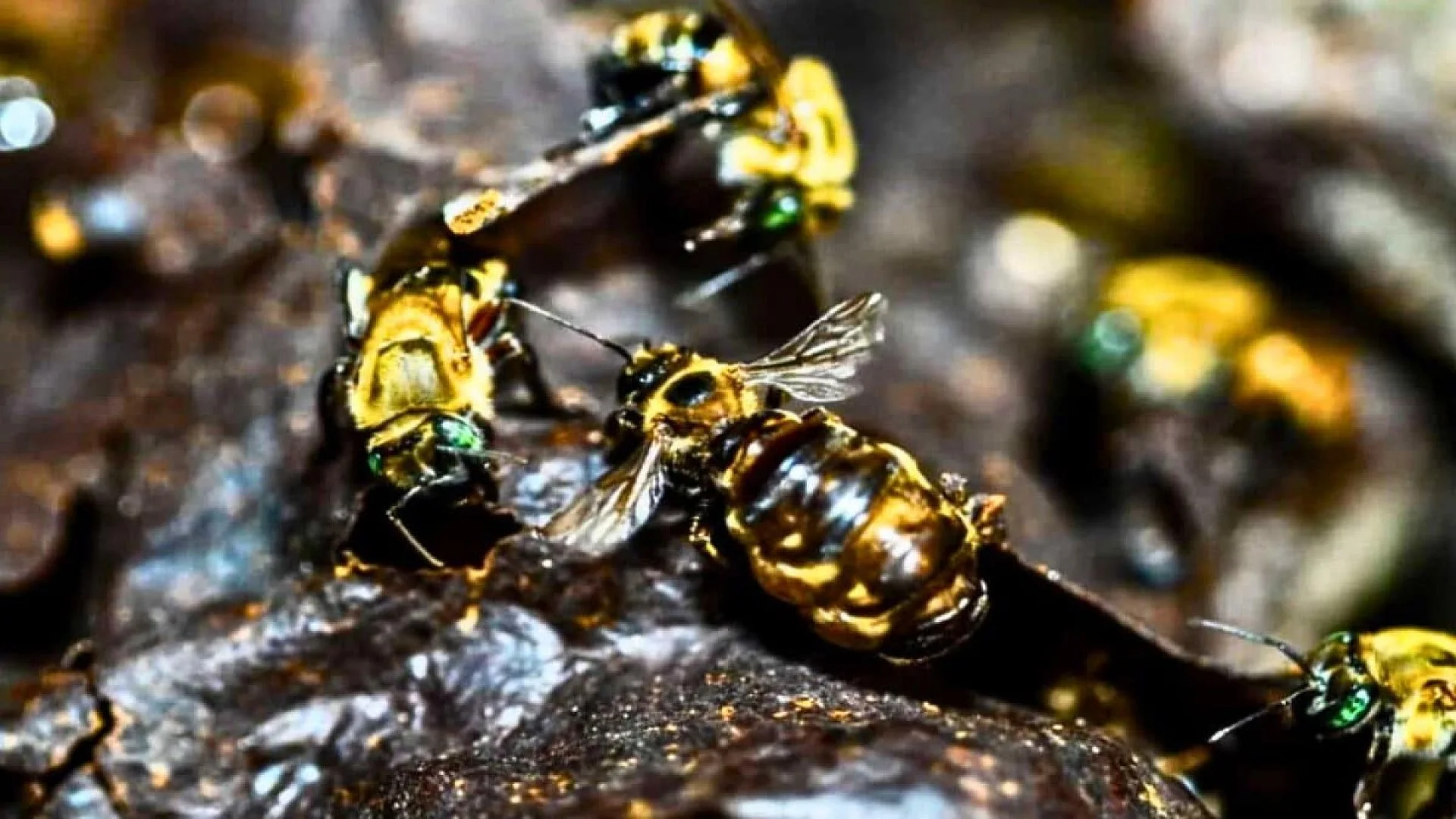
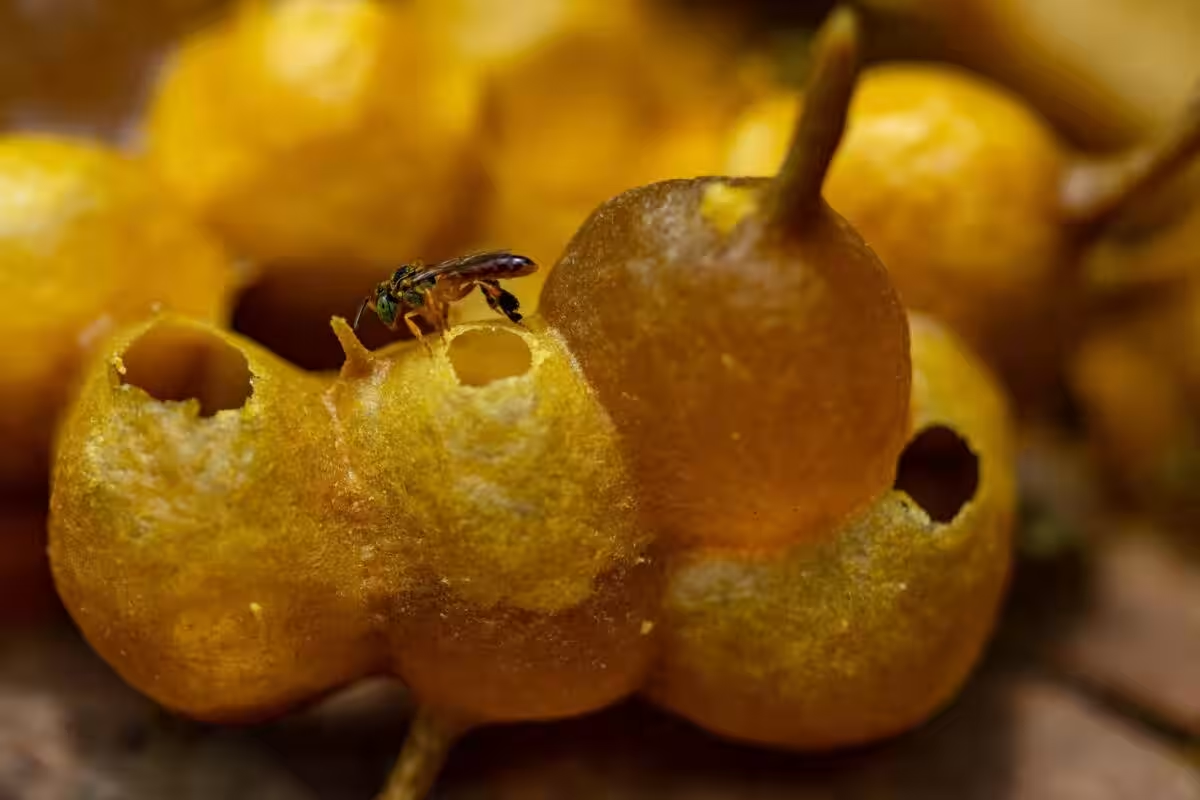
Breaking new ground in the world of environmental law, two Peruvian municipalities, Satipo and Nauta, have made history by granting legal personhood to native stingless bees. This groundbreaking move recognizes the intrinsic value of these pollinators and their right to exist, thrive, and be defended in court. The ordinances, passed late last year, mark a significant shift in the way we perceive and protect the natural world.
The ordinances, which have garnered international attention, decree that stingless bees have the right to maintain healthy populations, live in clean and intact habitats, and regenerate their natural cycles. Courts must now weigh damage to the species and the forest, not just losses measured in human terms. This paradigm shift acknowledges the interconnectedness of nature and the importance of preserving biodiversity.
A Pollinator That Anchors the Amazon
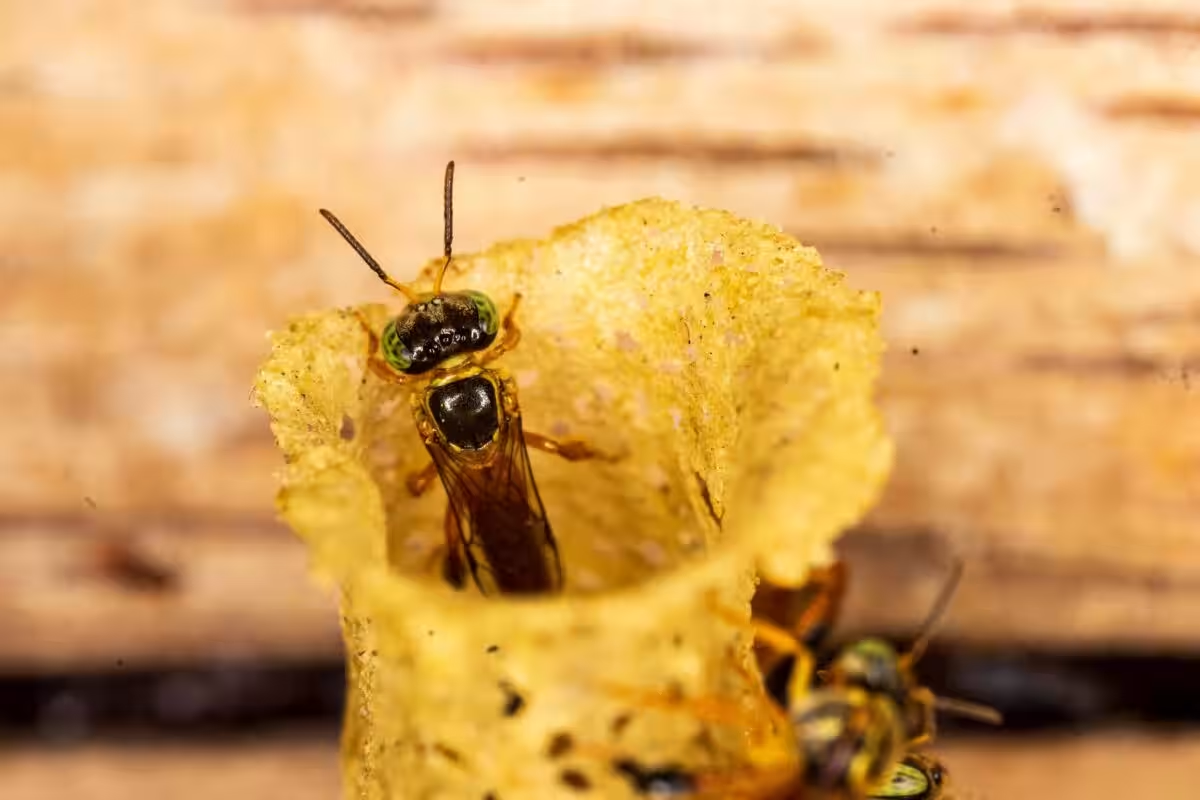
Stingless bees are an integral part of the Amazonian ecosystem, with roughly half of the world’s 500 known species living in the Amazon basin. These insects pollinate about 80 percent of tropical plant species, including cacao, coffee, and avocados, which are essential crops that travel far beyond the rainforest. The ordinances recognize the critical role these pollinators play in maintaining the health of the Amazonian ecosystem.
Medicine, Tradition, and a Scientist’s Discovery
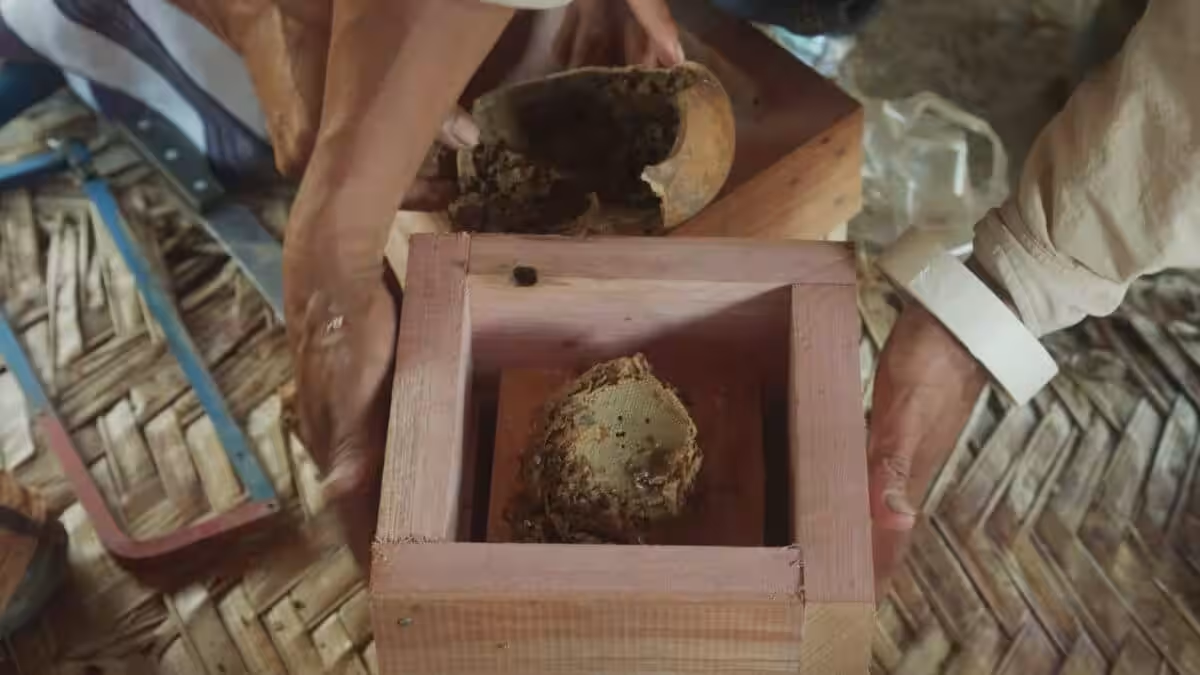
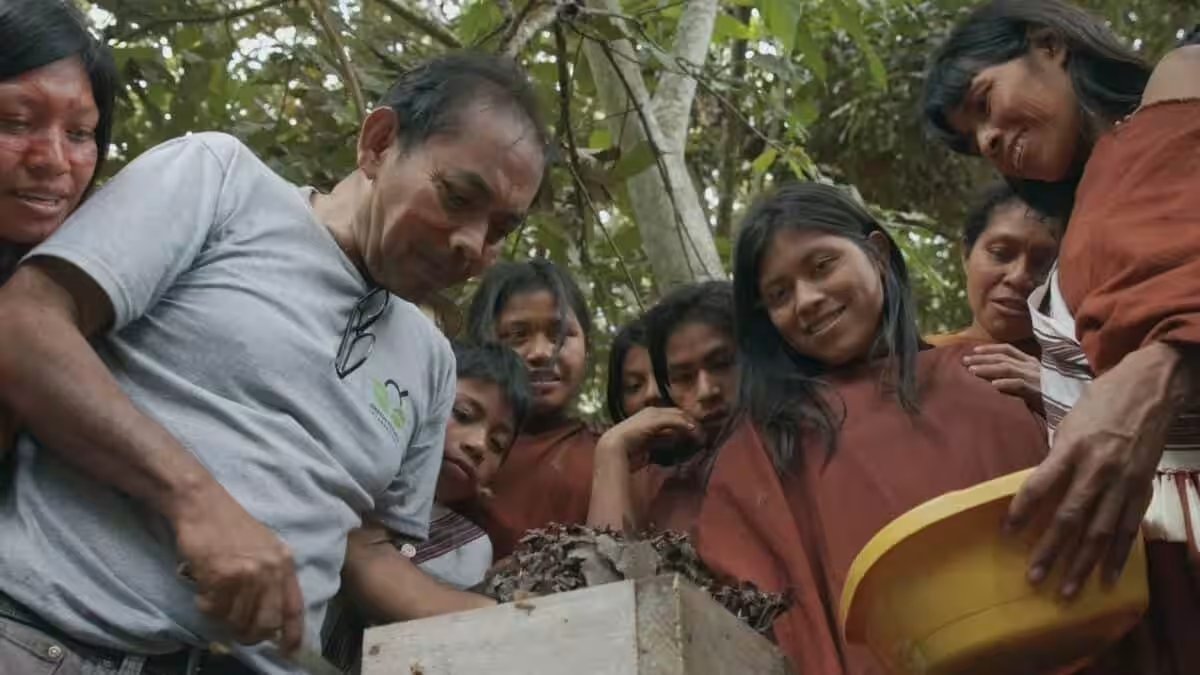
The push for legal personhood for stingless bees did not begin in a law office. Chemical biologist Rosa Vásquez Espinoza and her team at Amazon Research Internacional analyzed honey that Indigenous families were using as medicine during the pandemic. The samples revealed hundreds of bioactive molecules with antibacterial, anti-inflammatory, antioxidant, and possible anti-cancer properties. This discovery confirmed what Indigenous healers had said for generations: stingless bees hold traditional knowledge and are not just invisible service providers.
Why a Local Law Became Necessary
The ordinances answer a cascade of documented threats to stingless bee populations. Deforestation removes nesting trees, land conversion for cattle and crops erases foraging grounds, pesticides poison colonies, and climate disruption scrambles the flowering cycles the bees depend on. Africanized honeybees, which are more aggressive, now compete for and seize nest sites that stingless bees have used for millennia.
Ripples Beyond the Amazon
Peru’s legal shift has drawn attention from far beyond its borders. An Avaaz-backed petition has gathered hundreds of thousands of signatures urging the national government to extend these Rights of Nature protections nationwide. Environmental law groups in other countries are studying the Peruvian model as a template for safeguarding wild pollinators at home.
Earth Law Center has placed the Declaration of Rights for Native Stingless Bees at the center of its wider Amazon protection work. The organization practices what it calls Earth Law: a legal philosophy that treats nature as having intrinsic value and interconnected rights, not as property managed for human benefit.
Granting legal standing to a bee will not, on its own, stop deforestation or stabilize the climate. But the ordinances turn the legal spotlight toward the pollinators that sustain forests and food systems. They also leave behind a question that other governments may find difficult to set aside: if a stingless bee can have rights, what else in the natural world deserves a voice.
This article has been fact checked for accuracy, with information verified against reputable sources. Learn more about us and our editorial process.
Last reviewed on .
Article history
- Latest version
Cite this page:
- Posted by William Moore