Ugandan Communities Combat Recurrent Floods Using Hybrid Warning Systems
A qualitative study across two flood-prone districts reveals how residents combine traditional ecological cues with digital technology to protect local health.
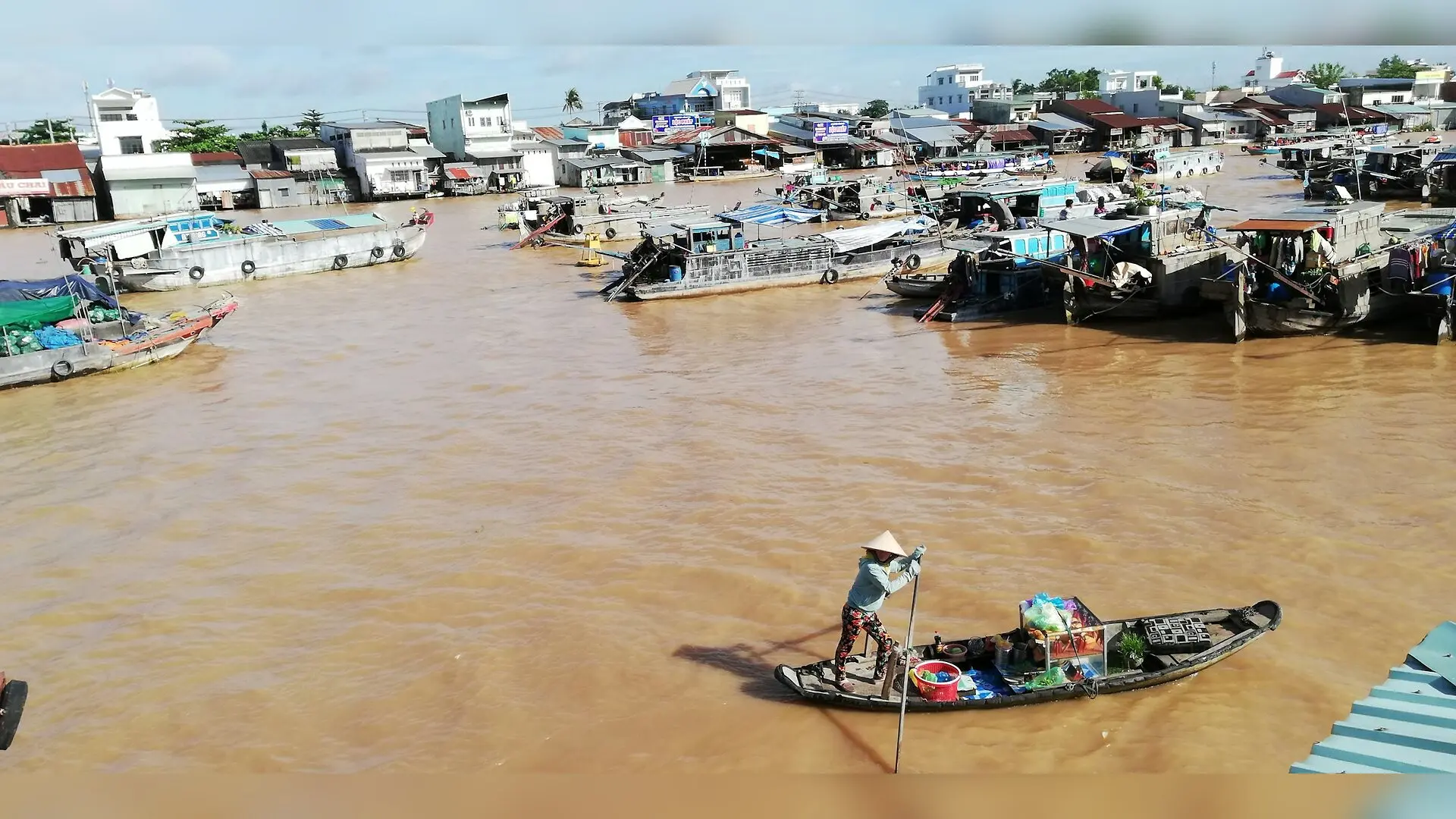
Communities living along the flood plains of the Rwenzori mountain ranges and low-lying eastern basins in Uganda face recurrent climate-related shocks that disrupt local health systems and displace thousands of households. A qualitative case study published in PLOS Global Public Health examined how residents in Kasese and Katakwi districts rely on grassroots strategies to anticipate, absorb, and adapt to severe seasonal flooding.
How Local Residents Blend Traditional Ecological Cues with Modern Technology
Researchers Adelaine Aryaija-Karemani and colleagues investigated how communities navigate the growing unpredictability of weather patterns. They conducted 12 focus group discussions and 46 key informant interviews with community members, health workers, local leaders, and disaster management officials in November 2023. The study analyzed how local populations combine indigenous environmental knowledge with scientific forecasts to predict impending water surges.
Residents traditionally relied on ecological indicators such as bird migrations, wind shifts, termite activity, and changes in the appearance or smell of river water to gauge flood risks. In Kasese, where fast-flowing flash floods rush down from Mount Rwenzori, these traditional signs are increasingly complemented by digital water level monitors and mobile phone alerts. Meanwhile, in the flat terrain of Katakwi, slow-onset seasonal floods allow communities weeks of observation to harvest crops early and secure food reserves.
Why Information Alone Fails to Stop Delayed Emergency Responses
Despite the availability of early warning systems and radio broadcasts, researchers found a persistent knowledge-action gap. Many residents delay evacuation or protective measures until floodwaters physically enter their homes. To counter this hesitation, humanitarian organizations and local leaders have worked to train women, youth, and village health teams in risk profiling and disaster preparedness.
Local leadership plays a pivotal role in translating abstract meteorological data into actionable community decisions. Village elders, religious leaders, and local council representatives coordinate temporary shelter in schools and churches, activate community savings groups, and mobilize volunteer reporting networks using mobile data collection tools like KOBO Toolbox.
What Challenges Undermine Long-Term Community Resilience
The study highlights a deep interdependence between local communities, non-governmental organizations, and district authorities. Long-standing nongovernmental organizations provide essential funding, training, and coordination support that help bridge the gap left by inconsistent government disaster financing. However, reliance on external aid sometimes fosters passivity, leaving local disaster committees dormant once project funding phases out.
The authors note that building true climate resilience requires moving beyond short-term emergency responses. Sustaining these community health systems depends on integrating grassroots engagement directly into national adaptation plans and securing predictable public financing for local disaster management structures.
The research was published in PLOS Global Public Health on November 16, 2026.
This article has been fact checked for accuracy, with information verified against reputable sources. Learn more about us and our editorial process.
Last reviewed on .
Article history
- Latest version
Reference(s)
- Aryaija-Karemani, Adelaine. ““They Are Not Here for the Camera”: Community-level strategies for building climate‑resilient health systems in response to floods in Uganda.” PLOS Global Public Health, vol. 6, no. 11, pp. e0005633, doi: 10.1371/journal.pgph.0005633. <https://doi.org/10.1371/journal.pgph.0005633>.
Cite this page:
- Posted by Raj Joshi